Workout Shoe Matcher
Not sure if you should wear running shoes for today's workout? Select your primary activity below to get a tailored recommendation.
You grab your trusty running shoes from the closet, head to the gym, and start lifting. It feels normal. After all, they are comfortable, breathable, and you already own them. But is wearing running shoes for weightlifting or high-intensity interval training actually hurting your performance or risking injury? The short answer is: it depends on what you’re doing. For some workouts, they are perfectly fine. For others, they can be a liability.
The Design DNA of Running Shoes
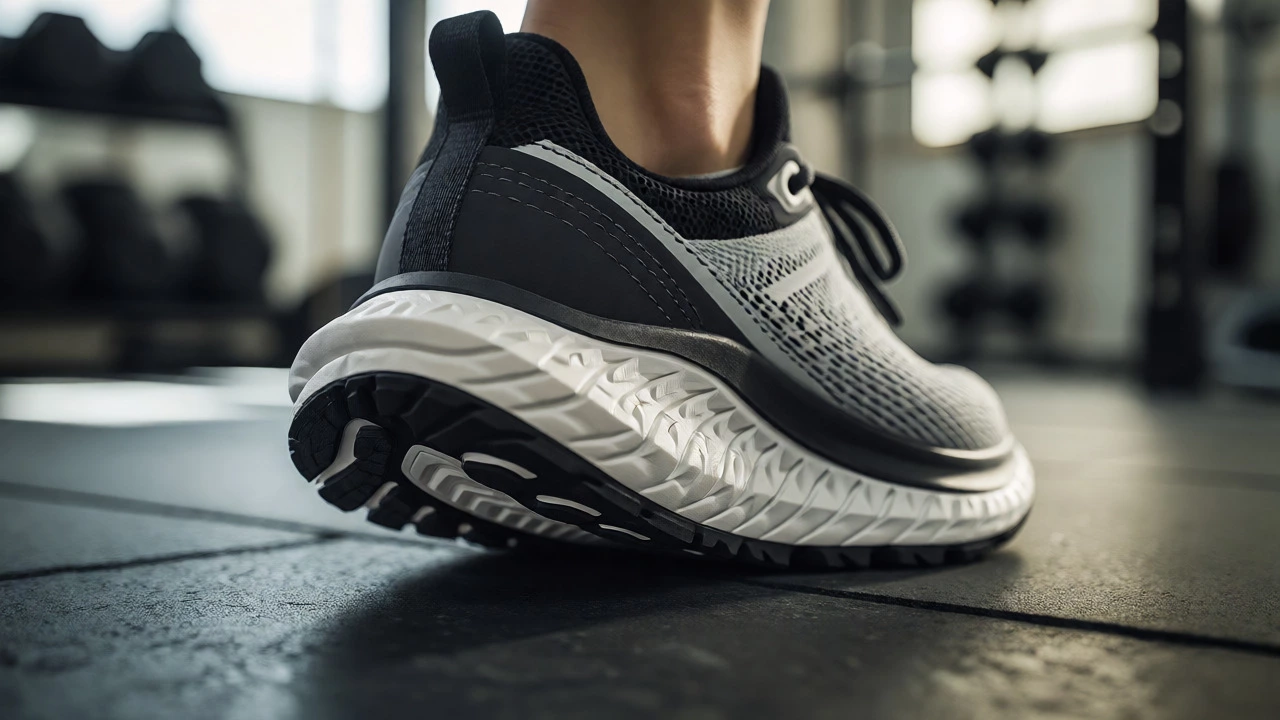
To understand why shoe choice matters, you have to look at how these shoes are built. Running shoes are engineered with one primary goal in mind: forward motion. When you run, your foot strikes the ground and rolls from heel to toe (or midfoot to toe) in a straight line. To support this, manufacturers add soft, compressible foam to the midsole. This cushioning absorbs impact forces that can reach up to three times your body weight with every step.
This softness is great for protecting joints during long-distance runs. However, it creates instability when you move side-to-side or lift heavy weights. Imagine trying to balance on a thick mattress versus a yoga mat. The mattress feels good initially but wobbles under pressure. That’s essentially what happens inside a running shoe when you try to squat or lunge. The lack of lateral support means your ankle has to work harder to stabilize itself, which isn’t always bad, but it changes the mechanics of your movement.
When Running Shoes Are Perfectly Fine
If your workout routine looks like a treadmill session followed by some light stretching, stick with your runners. They excel in environments where stability isn’t critical and shock absorption is king. Here are specific scenarios where wearing running shoes is not just okay, but recommended:
- Treadmill Running: Obviously, this is their home turf. The consistent, flat surface combined with forward motion makes them ideal.
- Elliptical Machines: These machines mimic the low-impact nature of running. Since your feet don’t leave the pedals entirely, the cushioning helps reduce joint stress without compromising stability.
- Cycling Classes: If you clip into pedals, the shoe barely matters. If you use platform pedals, the breathability of running shoes keeps your feet cool during intense cardio bursts.
- Light Cardio Circuits: Jumping jacks, burpees (if done carefully), and jump rope sessions benefit from the shock-absorbing properties of EVA or polyurethane foams found in most modern trainers.
In these cases, the risk of injury is low because the movements are predictable and primarily linear. Your ankles aren’t forced to fight against an unstable base, so the soft sole doesn’t hinder your form.
Why Running Shoes Fail During Strength Training
Now, let’s talk about the gym floor. When you pick up a barbell or dumbbells, physics changes. You need a solid connection to the ground. Strength training relies on force transfer. When you push against the floor to stand up from a squat, that force needs to travel efficiently through your legs and into the ground. Soft foam acts as a damper. It absorbs some of that energy instead of returning it, making you feel less powerful and stable.
Furthermore, running shoes often have elevated heels. While this helps runners with tight calves, it shifts your center of gravity forward during lifts. For exercises like deadlifts or squats, this can cause excessive knee travel or lower back strain. If you’re performing Olympic lifts like cleans or snatches, the instability of a running shoe can lead to poor balance and increased injury risk. You want a wide, flat, hard base. Think of powerlifting shoes, which have a wooden or dense composite heel and minimal compression.
| Feature | Running Shoes | Cross-Trainers | Lifting Shoes |
|---|---|---|---|
| Midsole Cushioning | High (Soft Foam) | Moderate (Balanced) | Low/None (Hard Sole) |
| Lateral Support | Low | High | Moderate |
| Heel Drop | 8-12mm (Variable) | 4-8mm | Elevated Heel (Specialized) |
| Best For | Running, Walking | HIIT, Circuit Training | Squats, Deadlifts |
| Stability Rating | Low | Medium-High | Very High |
The Rise of Cross-Trainers
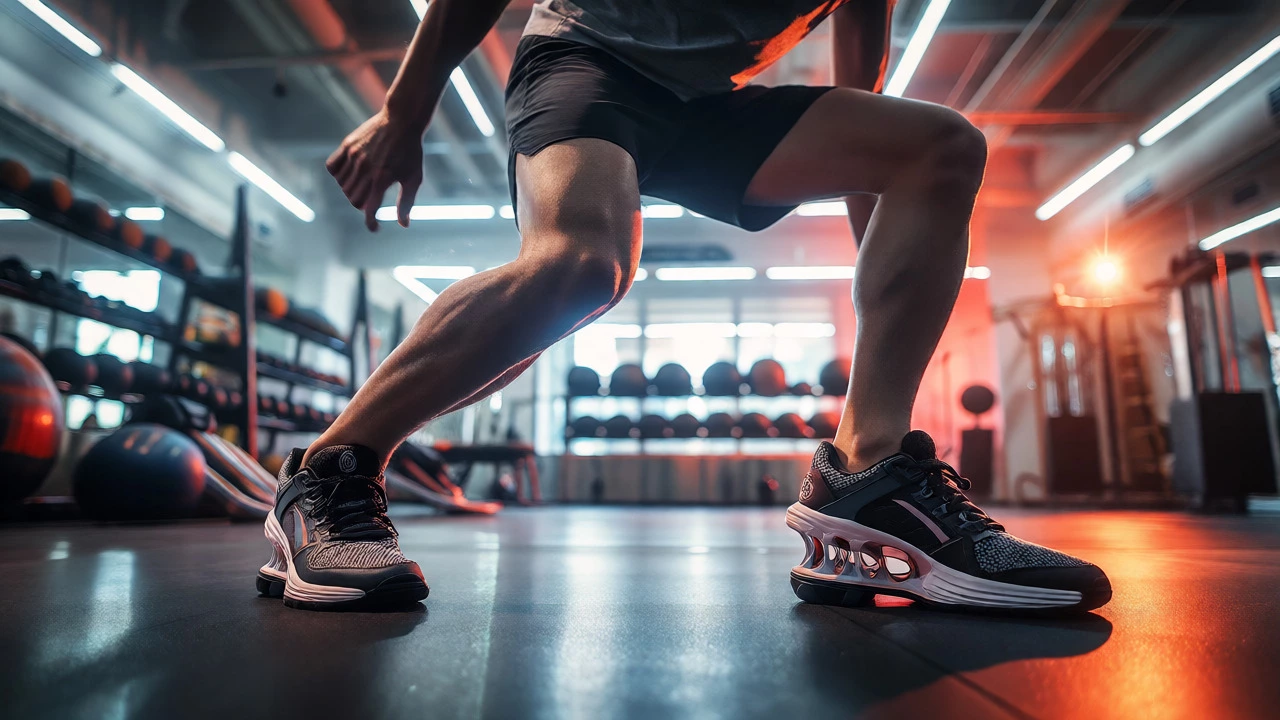
If you do a bit of everything-run a mile, then hit the weights-you might be tempted to buy a pair of cross-trainers. These shoes are designed to bridge the gap between running and lifting. They offer more lateral support than running shoes, meaning they won’t collapse if you do a lateral shuffle or box jump. At the same time, they retain enough cushioning to handle short runs or jumps.
Cross-trainers usually feature a flatter sole and a wider base than standard runners. This design choice improves balance during multi-directional movements. However, they still aren’t perfect for heavy powerlifting. The foam, while firmer than in a marathon shoe, still compresses under 300+ pounds of load. So, if your main goal is building maximum strength, cross-trainers are a compromise, not a solution.
Specific Risks of Using Running Shoes for HIIT
High-Intensity Interval Training (HIIT) often combines plyometrics (jumping) with agility drills. While running shoes can handle the jumping part due to cushioning, they struggle with the agility component. Lateral lunges, skater hops, and defensive slides require your foot to stay planted while your body moves sideways. In a running shoe, the upper mesh is often too flexible, and the outsole may not grip well enough for quick direction changes.
A common issue here is "shoe roll." Because the sole is rounded and soft, aggressive cuts can cause the shoe to roll over its own edge. This puts unnatural torque on the ankle ligaments. Over time, this can lead to chronic ankle instability or sprains. If your HIIT class involves a lot of lateral movement, consider switching to a shoe with a reinforced heel counter and a grippier rubber outsole pattern.
How to Choose the Right Shoe for Your Goals
Selecting the right footwear doesn’t require a PhD in biomechanics. Just ask yourself these three questions before heading to the store:
- What is my primary activity? If it’s running more than 5km regularly, prioritize cushioning. If it’s lifting heavy, prioritize stability and a hard sole.
- Do I move laterally? Sports like tennis, basketball, or dance-based fitness classes demand high lateral support. Running shoes generally fail here.
- How much weight am I moving? Light weights and bodyweight exercises are forgiving. Heavy compound lifts are unforgiving. Match the shoe stiffness to the load.
For the average person who goes to the gym three times a week and does a mix of cardio and weights, owning two pairs of shoes is often the best strategy. Keep your running shoes for the treadmill or outdoor runs. Buy a dedicated pair of cross-trainers or minimalist shoes for your strength days. This separation prevents wear-and-tear confusion and ensures you’re always using the right tool for the job.
Signs Your Running Shoes Are Worn Out
Even if you choose the right type of shoe, old shoes can cause problems. Most running shoes lose their protective properties after 500-800 kilometers (300-500 miles). Once the foam compresses permanently, it no longer absorbs shock effectively. This transfers more impact to your knees and hips.
Check your shoes regularly. Look for uneven wear patterns. If the inner edge of the sole is worn down significantly, it could indicate overpronation, which might need a stability shoe rather than a neutral runner. If the tread is smooth, you’ve lost traction, increasing slip risks on gym floors. Don’t wait until your feet hurt; replace them proactively.
Can I run in cross-training shoes?
Yes, you can run in cross-trainers, especially for shorter distances like 5K or interval sprints. They provide adequate cushioning for moderate impact. However, for long-distance running (10K and beyond), they may lack sufficient shock absorption compared to dedicated running shoes, potentially leading to greater fatigue or joint discomfort over time.
Are barefoot shoes better for working out?
Barefoot or minimalist shoes promote natural foot movement and strengthen intrinsic foot muscles. They are excellent for weightlifting because they offer zero drop and maximum ground feel. However, transitioning too quickly can cause calf strains or plantar fasciitis. They are not ideal for high-impact running unless you have gradually adapted your form and foot strength.
Do expensive running shoes make a difference?
Price often correlates with advanced materials like carbon plates or premium foams, which can improve energy return and durability. However, the most expensive shoe isn't always the best fit. Fit and comfort are paramount. A cheaper shoe that fits your foot shape correctly will perform better than a costly model that causes blisters or hotspots.
How many pairs of workout shoes should I own?
At least two pairs are recommended. One dedicated to running/cardio and another for strength training or general gym use. Rotating shoes also allows the foam to decompress between uses, extending the lifespan of each pair. If you only do one type of exercise, a single versatile cross-trainer might suffice.
Is it bad to wear running shoes for walking?
No, it is generally fine. Running shoes are designed for forward motion, which aligns with walking. However, they may wear out faster on rough pavement if used exclusively for walking due to different gait cycles. For casual walking, any comfortable athletic shoe works, but ensure it provides arch support if you have flat feet.