The J-Curve of Longevity Calculator
Research suggests that while moderate exercise significantly reduces mortality risk compared to a sedentary lifestyle, extreme endurance training yields diminishing returns. Use the slider below to explore this relationship.
*Graph represents relative mortality risk vs. exercise volume.
Analysis
Current Status
High Cardiovascular Risk
Longevity Impact
A sedentary lifestyle is associated with higher risks of heart disease, diabetes, and early mortality. Even small amounts of movement can drastically improve these odds.
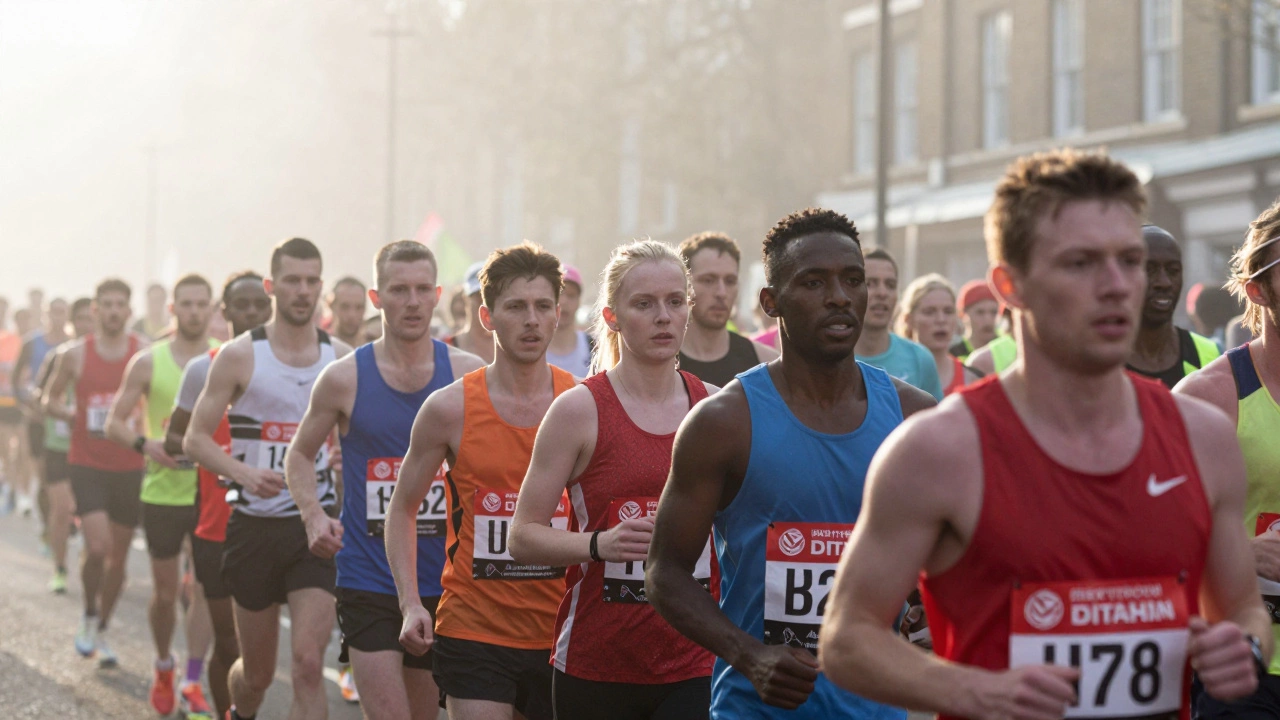
You’ve probably heard the old joke: "Run a marathon and you’ll live to be 100... or die trying." It’s a dark punchline that sticks because it taps into a genuine fear. We push our bodies to the limit for a medal, but does that extreme effort actually cost us years on the clock? The short answer is no. In fact, doing the opposite-sitting on the couch-is far more dangerous. But the relationship between ultra-endurance and lifespan isn’t a straight line. It’s a curve with a sweet spot.
If you’re standing at the start line of your first marathon, which is a long-distance race covering 26.2 miles (42.195 kilometers), you might worry about wearing out your engine. Science suggests that moderate running extends life significantly. Extreme, chronic high-volume training has diminishing returns for longevity, but it doesn’t necessarily shorten it unless you ignore warning signs. Let’s break down what happens to your body when you chase that finish line.
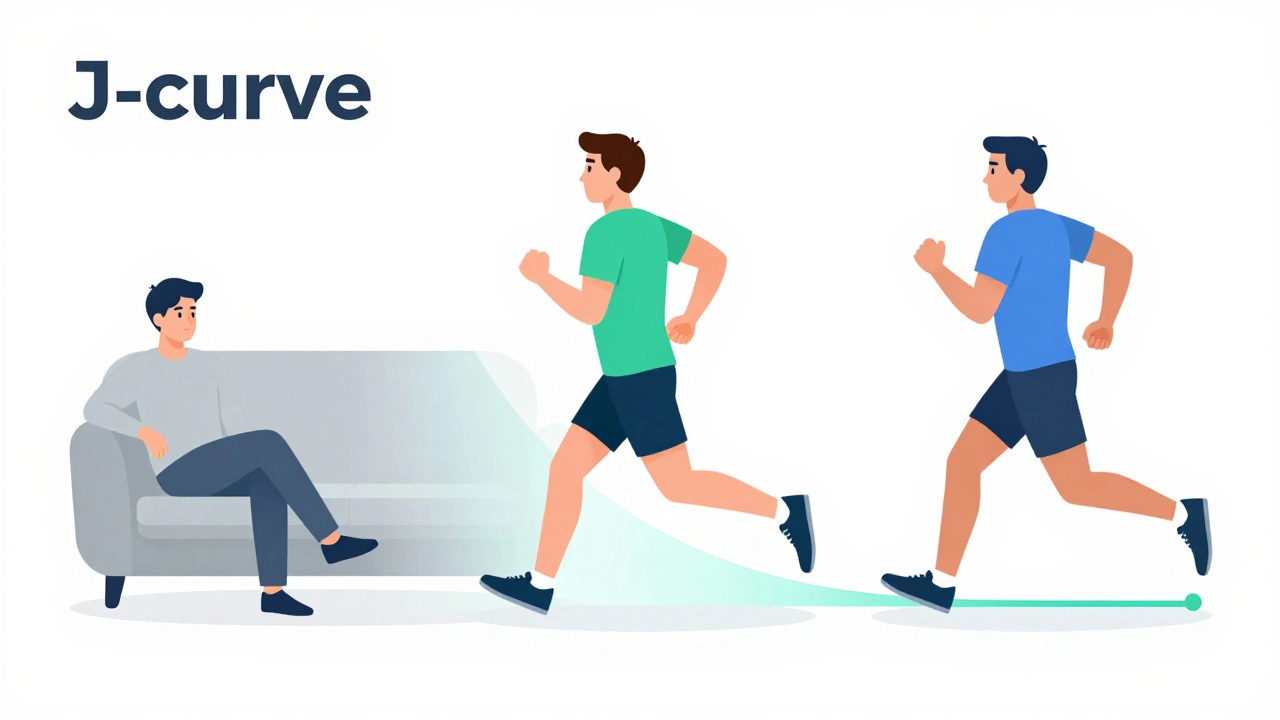
The J-Curve of Exercise and Longevity
To understand whether marathons kill you, we have to look at the big picture of how movement affects mortality. Researchers often describe this using a "J-curve" graph. On one end, sedentary people have the highest risk of early death from heart disease, diabetes, and other conditions. As you start moving, that risk drops sharply. This is where regular jogging, brisk walking, and even half-marathon training shine. You are building a buffer against disease.
As you move further right on the graph toward elite endurance athletes, the curve flattens out. The extra benefit of going from "fit" to "ultra-fit" is smaller. Some studies suggest that for certain markers, like arterial stiffness, extreme volume might even creep back up slightly. However, "slightly higher than optimal" is still vastly better than "sedentary." Think of it like eating vegetables. One serving is great. Ten servings is healthy, though maybe unnecessary. Eating zero servings is the problem.
The key takeaway here is context. A single marathon event does not erase decades of good health habits. Chronic overtraining without recovery is the real villain, not the race itself. If you train smart, recover well, and listen to your body, the longevity benefits of being an active runner outweigh the temporary stress of the race.
Heart Health: Friend or Foe?
The biggest concern for marathoners usually revolves around the heart. Specifically, there’s a condition called atrial fibrillation (AFib). AFib is an irregular heartbeat that can increase the risk of stroke. Studies have shown that masters runners (those over 40) who log very high weekly mileage have a higher incidence of AFib compared to moderately active peers.
This sounds scary, but let’s put it in perspective. First, these runners are often older men who have been running hard for decades. Second, having AFib doesn’t mean you’re going to drop dead; it means you need medical management. Third, the overall cardiovascular fitness gained from running protects against coronary artery disease, which is the leading killer worldwide.
There is also the phenomenon of "athlete’s heart." When you train for a marathon, your left ventricle enlarges slightly to pump more blood efficiently. This is normal and reversible. However, in rare cases, extreme exertion can cause transient changes in heart structure or electrical activity. This is why pre-race checkups are valuable if you have a family history of heart issues. For the vast majority of people, the heart becomes a stronger, more efficient pump through consistent aerobic conditioning.
| Activity Level | Cardiovascular Risk | Longevity Impact | Injury Risk |
|---|---|---|---|
| Sedentary | High | Negative | Low (acute), High (chronic disease) |
| Moderate Runner | Low | Positive | Moderate |
| Elite/Ultra-Endurance | Very Low (with caveats) | Neutral to Slightly Positive | High (overuse injuries) |
The Wear and Tear Myth: Joints and Bones
Another common fear is that pounding the pavement for 26.2 miles will destroy your knees. You’ve likely seen images of runners needing knee replacements in their 50s. Here’s the twist: those images are often misleading. Research consistently shows that recreational runners have lower rates of osteoarthritis than sedentary individuals. Why? Because cartilage needs compression and decompression to receive nutrients. Movement feeds the joint.
However, there is a difference between recreational running and high-impact abuse. If you run with poor form, wear worn-out shoes, or sprint every day without rest, you invite injury. Marathon training involves high mileage, which increases the mechanical load on your hips, knees, and ankles. The risk isn’t the distance itself; it’s the accumulation of micro-trauma without adequate repair time.
Bone density is another factor. Weight-bearing exercise like running strengthens bones, reducing the risk of osteoporosis later in life. This is a huge longevity win, especially for women post-menopause. So, while your joints might ache after a long run, your skeleton is actually becoming more resilient to the aging process.
Immune System Suppression: The Open Window
Right after a marathon, your immune system takes a hit. Scientists call this the "open window" theory. For 3 to 72 hours post-race, your ability to fight off viruses and bacteria is temporarily reduced. This is why you might catch a cold a week after crossing the finish line, even if you were perfectly healthy before.
This temporary suppression is not the same as long-term immune damage. In fact, regular moderate exercise boosts immune surveillance. The crash happens due to the massive physiological stress of the event-high cortisol levels, inflammation, and depleted glycogen stores. To mitigate this, focus on post-race nutrition, hydration, and sleep. Don’t jump straight back into heavy training. Give your body a few days to close that window.
Mental Health and Quality of Life
Longevity isn’t just about how many years you live; it’s about how well you live them. Marathon training provides significant mental health benefits. The release of endorphins and brain-derived neurotrophic factor (BDNF) during running improves mood, reduces anxiety, and enhances cognitive function. These chemical rewards help combat depression and stress, which are silent killers linked to heart disease and weakened immunity.
Setting a goal like a marathon gives you structure and purpose. The discipline required to wake up early, manage nutrition, and stick to a schedule translates to other areas of life. People who engage in goal-oriented physical activity often report higher life satisfaction. This psychological resilience contributes to a longer, happier life, regardless of the physiological metrics.

How to Run a Marathon Safely
If you want the benefits without the risks, follow these guidelines:
- Build Gradually: Follow a 12-to-16-week plan that increases mileage by no more than 10% per week. This allows tendons and bones to adapt.
- Prioritize Recovery: Rest days are when your body gets stronger. Sleep 7-9 hours nightly. Consider massage or foam rolling to aid circulation.
- Fuel Properly: Marathon training burns thousands of calories. Undereating leads to Relative Energy Deficiency in Sport (RED-S), which harms bone health and hormones. Eat enough carbs, protein, and fats.
- Listen to Pain: Distinguish between muscle soreness and sharp joint pain. Stop immediately if you feel acute pain. Ignoring it turns minor tweaks into major surgeries.
- Get Checked: If you’re over 40 or have risk factors, see a doctor before starting intense training. An ECG can rule out underlying heart conditions.
The Verdict on Lifespan
Running a marathon does not take time off your life. On the contrary, the lifestyle that enables you to complete a marathon-regular exercise, healthy eating, and stress management-adds years to your life. The risks associated with ultra-endurance are real but manageable and apply mostly to those who ignore their bodies’ limits or have undiagnosed conditions.
The goal shouldn’t be to minimize risk to zero, because that means staying in bed. The goal is to optimize health. Embrace the marathon as a celebration of what your body can do, not a punishment it must endure. Train smart, recover hard, and enjoy the journey. Your future self will thank you.
Can running a marathon cause sudden cardiac arrest?
The risk is extremely low for healthy individuals. Most cases of sudden cardiac arrest in marathons are due to undiagnosed heart conditions. Getting a pre-participation screening if you have risk factors can mitigate this danger significantly.
Does marathon training weaken the immune system long-term?
No. While there is a temporary "open window" of susceptibility for 3-72 hours after the race, regular moderate running strengthens the immune system over time. Proper post-race recovery closes this window quickly.
Will running a marathon ruin my knees?
Generally, no. Recreational runners have lower rates of osteoarthritis than sedentary people. Cartilage thrives on movement. However, poor form, excessive weight, or ignoring injury signals can lead to joint damage. Focus on gradual buildup and proper footwear.
Is it safe for beginners to train for a marathon?
Yes, if they build up slowly. Beginners should have a base of 3-6 months of regular running before starting a specific marathon plan. Jumping straight into high-mileage training increases injury risk dramatically.
How does marathon running affect mental health?
It has profound positive effects. Running releases endorphins and BDNF, which reduce anxiety and depression. Achieving a challenging goal like a marathon boosts self-esteem and provides a sense of purpose and community.