Boxing Difficulty Estimator
Adjust the sliders to simulate different training scenarios. See how physical endurance, technical complexity, and mental stress combine to create the "sweet science" challenge.
Difficulty Analysis
Walk into any gym in Melbourne on a Tuesday night, and you’ll hear it: the rhythmic *thwack-thwack-thwack* of heavy bags being punished. It sounds simple. Two people stand in a ring, wearing gloves, trying to hit each other without getting knocked out. If you’ve never thrown a punch in your life, that’s probably how it looks. But ask anyone who has stepped inside the ropes, from weekend warriors to world champions, and they will tell you the same thing: boxing is brutally difficult.
It isn’t just about hitting hard. It is about surviving being hit. It is about moving when your lungs are burning, thinking when your brain is foggy, and staying calm when someone is actively trying to end your night. So, why exactly is boxing so hard? Let’s break down the layers of pain, precision, and psychology that make this sport one of the toughest tests of human endurance.
The Physical Tax: More Than Just Punches
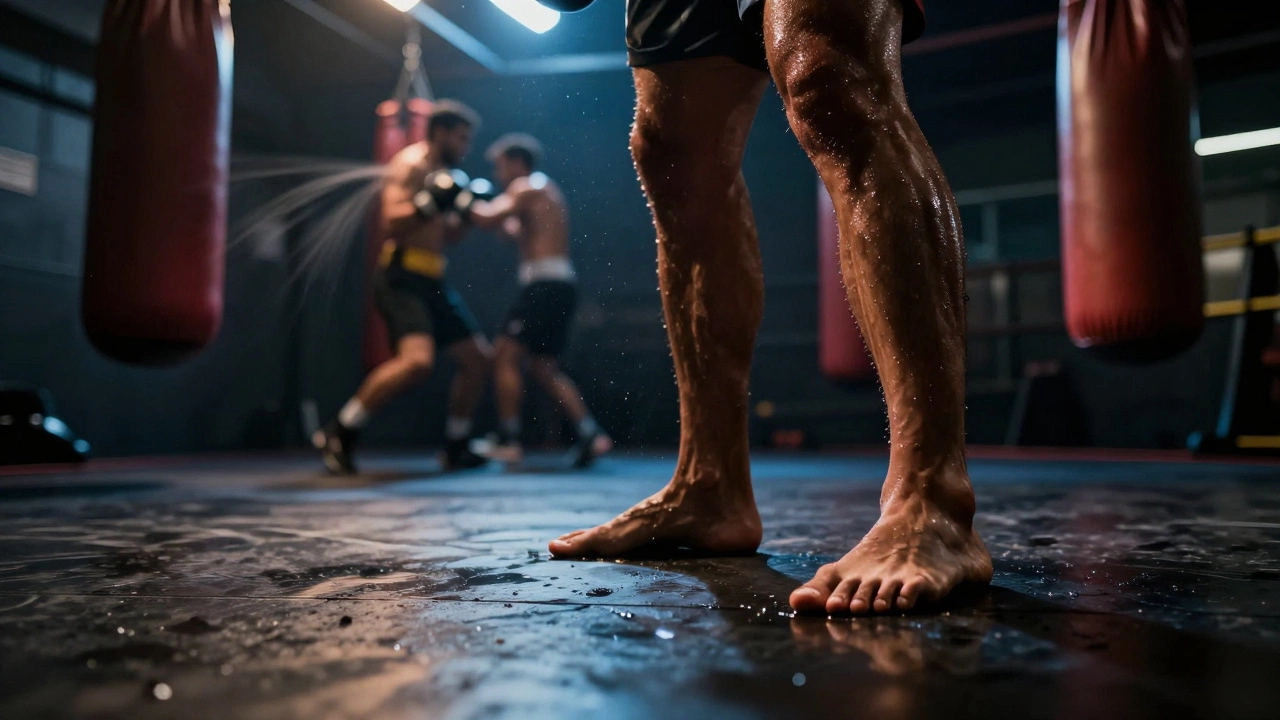
Most people assume boxing is an upper-body workout. They imagine swinging arms like a windmill. In reality, power comes from the ground up. Every punch starts with your feet pushing against the canvas, travels through your hips rotating, and explodes out of your fist. This means your legs are constantly working-shifting weight, pivoting, and absorbing impact.
Then there is the cardio. Boxing matches are short, usually three to twelve rounds of three minutes each. But those three minutes are spent at near-maximum effort. Your heart rate spikes to 170-180 beats per minute. You aren’t jogging; you’re sprinting while dodging lasers. After a few rounds, your lactic acid builds up faster than you can clear it. Your arms feel like lead. Your vision blurs. Yet, you have to keep moving. Stop moving, and you get hit. Keep moving, and your body screams for air.
- Full-body engagement: Core muscles stabilize every strike and block.
- Explosive power: Legs generate force for hooks and crosses.
- Endurance: High-intensity interval training is baked into every round.
Compare this to running a marathon. Running is repetitive and predictable. Boxing is chaotic. One minute you’re landing combinations; the next, you’re covering up because your opponent found a hole in your defense. This unpredictability drains energy much faster than steady-state exercise.
The Mental Chess Match
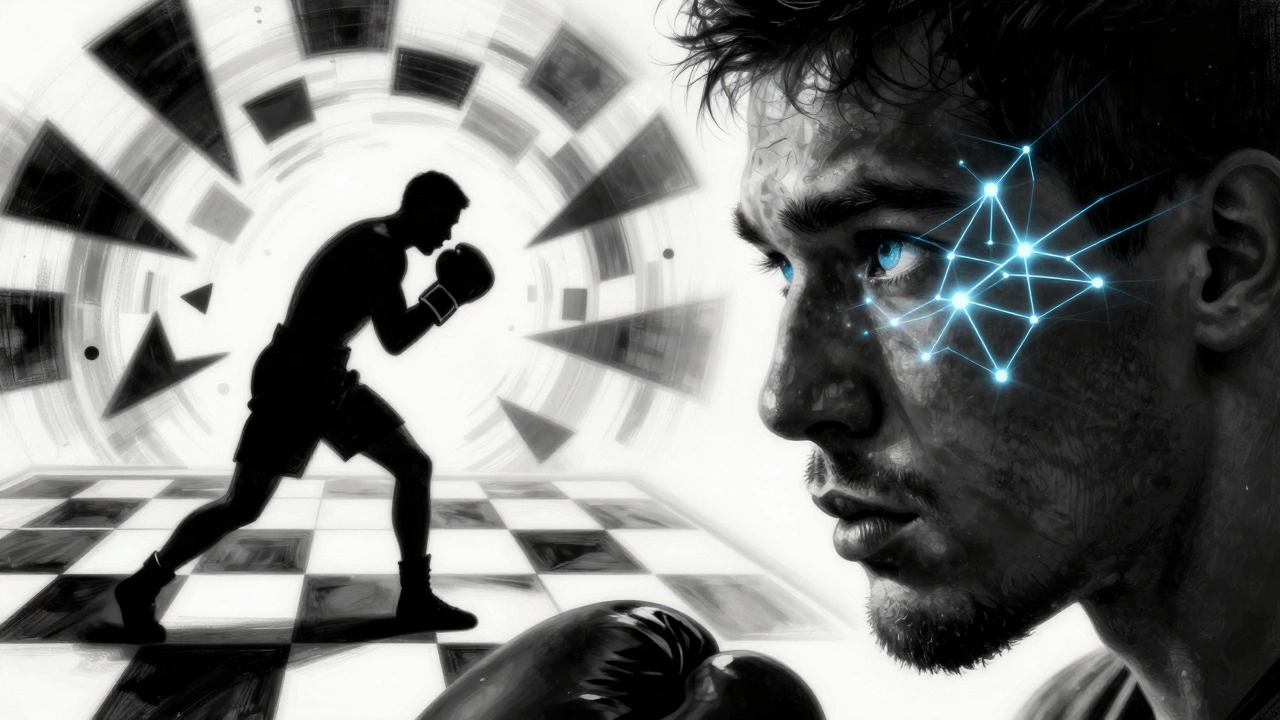
If boxing were only physical, strongmen would dominate the heavyweight division. They don’t. Why? Because boxing is often called "the sweet science" for a reason. It requires split-second decision-making under extreme stress.
You have to read your opponent. Are they feinting left to set up a right hook? Are they tired, leaving their chin exposed? Are they aggressive, or waiting for you to make a mistake? All of this happens in milliseconds. Your brain has to process visual cues, recall muscle memory, and execute a response before your conscious mind even realizes what happened. This is called flow state, and achieving it while someone is punching you is incredibly difficult.
Consider the concept of "ring generalship." Top fighters like Canelo Álvarez or Terence Crawford don’t just throw punches; they control distance, angle, and pace. They make you fight *their* fight. If you try to brawl with a technical boxer, they will slip your punches, counter you, and leave you exhausted before you land a clean shot. Learning to think three steps ahead while your adrenaline is dumping cortisol into your system is a skill that takes years to master.
Fear and Pain Management
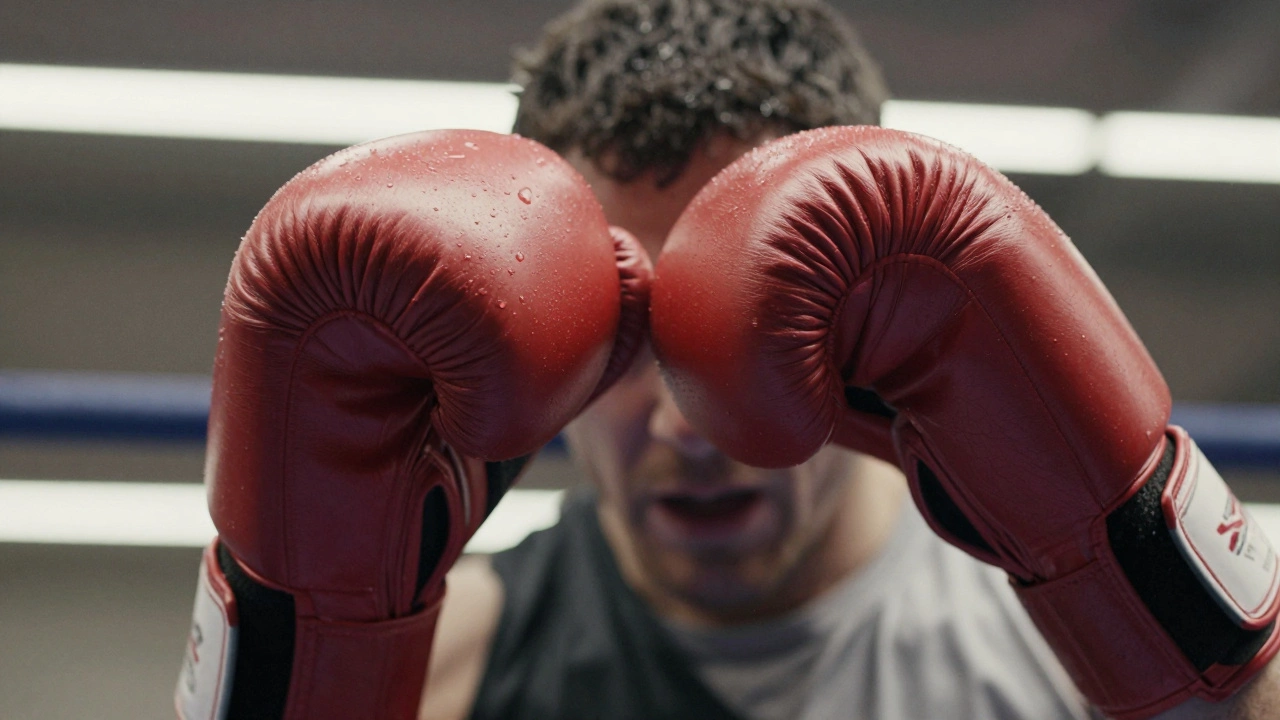
Let’s talk about the elephant in the room: fear. Even with padded gloves and mouthguards, getting punched hurts. A solid jab to the nose can sting for days. A hook to the liver can stop you in your tracks, stealing the breath from your lungs. Most humans have a natural instinct to protect themselves from harm. Boxing requires you to override that instinct.
Training involves sparring, where you exchange blows with a partner. At first, the idea of letting someone hit you feels insane. You flinch. You pull your punches. Over time, you learn to take controlled shots. You learn that not every punch lands flush, and that blocking correctly minimizes damage. But the psychological barrier remains. You have to be comfortable being uncomfortable. You have to accept that pain is part of the process.
This mental toughness spills over into daily life. Boxers often develop a unique resilience. When work gets stressful or life throws a curveball, they remember the feeling of being tired in the last round and choosing to push forward anyway. That mindset doesn’t come easy. It’s forged in the fire of repeated exposure to discomfort.
Technical Precision vs. Raw Power
Another reason boxing is hard is the fine motor skills required. It’s not enough to swing wildly. You need accuracy. A millimeter off-target means your glove slides off, wasting energy and exposing you to a counter. Proper form involves snapping the wrist, rotating the shoulder, and retracting the hand quickly to guard your face.
Take the jab. It’s the most important punch in boxing. It sets up everything else. But throwing a sharp, straight jab repeatedly without dropping your hands or leaning too far forward is deceptively difficult. Beginners often overextend, losing balance. Advanced fighters use the jab to measure distance, disrupt rhythm, and score points. Mastering this single punch can take months of drilling.
| Mistake | Consequence | Correct Approach |
|---|---|---|
| Dropping hands after punching | Open to counters | Retract hand immediately to cheekbone |
| Tensing shoulders | Fatigue, slower punches | Relax until impact, snap on contact |
| Staring at opponent’s chest | Misses feints and head movement | Focus on eyes and shoulders for cues |
Defense adds another layer of complexity. Slipping, bobbing, weaving, and blocking require timing and coordination. You aren’t just moving your body; you’re moving it in relation to another person’s movements. Miss the timing by a fraction of a second, and you eat a punch. Perfect the timing, and you look graceful, almost dancing around attacks. This duality-brutal violence wrapped in elegant motion-is what makes boxing so captivating and so hard to learn.
The Lifestyle Sacrifice
Finally, boxing is hard because it demands everything from you. It’s not just what you do in the gym. It’s how you live outside of it. To perform at a high level, you need discipline in nutrition, sleep, and recovery.
Weight management is critical in boxing. Fighters compete in specific weight classes. Cutting weight safely requires careful planning. Eating poorly leads to sluggishness and poor performance. Skipping sleep impairs reaction time and increases injury risk. For amateur and professional boxers, this lifestyle is non-negotiable. For hobbyists, it still requires significant commitment. You can’t cheat your way through a boxing workout like you might with some other exercises. Your body knows if you didn’t sleep well or ate junk food yesterday. It shows in your speed, your power, and your ability to take a hit.
Is boxing harder than MMA?
Both sports are extremely demanding, but they test different skills. Boxing focuses intensely on hand speed, footwork, and head movement within a smaller range of motion. MMA adds grappling, wrestling, and kicks, which spreads the focus across more disciplines. Many argue boxing is harder purely in terms of hand-eye coordination and defensive reflexes, while MMA is harder due to the sheer variety of threats and the physical toll of grappling.
Can beginners start boxing at any age?
Yes, absolutely. While professional careers often start young, recreational boxing is popular among adults of all ages. Many gyms in Melbourne offer classes specifically for seniors or older adults. The key is to start slowly, focus on technique over power, and prioritize safety. Boxing improves balance, coordination, and cardiovascular health regardless of age.
Do I need to spar to get fit?
No. Sparring is for practicing technique and strategy against a resisting opponent. You can get an incredible workout from bag work, shadow boxing, and mitt drills. These activities provide high-intensity cardio and strength training without the risk of taking hits. Many people train exclusively without ever sparring and still see massive fitness improvements.
What equipment do I need to start?
To begin, you need boxing gloves (usually 12-16 oz for training), hand wraps to protect your wrists and knuckles, and comfortable athletic shoes with good lateral support. Mouthguards are essential if you plan to spar. Most gyms provide heavy bags and speed bags, so you don’t need to buy those initially.
How long does it take to get good at boxing?
Consistency is key. With regular training (3-4 times a week), you’ll notice significant fitness improvements in 4-6 weeks. Basic technique takes a few months to refine. Becoming proficient in sparring and complex combinations typically takes 1-2 years. Mastery is a lifelong journey, as top boxers continue to evolve their style for decades.