Brooks Running Shoe Fit Finder
Answer these questions to see if a Brooks model (like the Ghost or Adrenaline GTS) aligns with your biomechanical needs.
You’ve probably heard it before: your local physio or podiatrist suggests you try Brooks. But why? Is it just clever marketing, or is there actual science behind the recommendation? If you’re dealing with shin splints, plantar fasciitis, or just want to run without that nagging knee pain, understanding the engineering choices Brooks makes can save you months of trial and error.
The truth is, podiatrists aren’t just picking a brand because it’s popular. They are looking at specific biomechanical features that reduce stress on your feet, ankles, and knees. Let’s break down exactly what makes these shoes stand out in clinical settings and whether they are actually right for your feet.
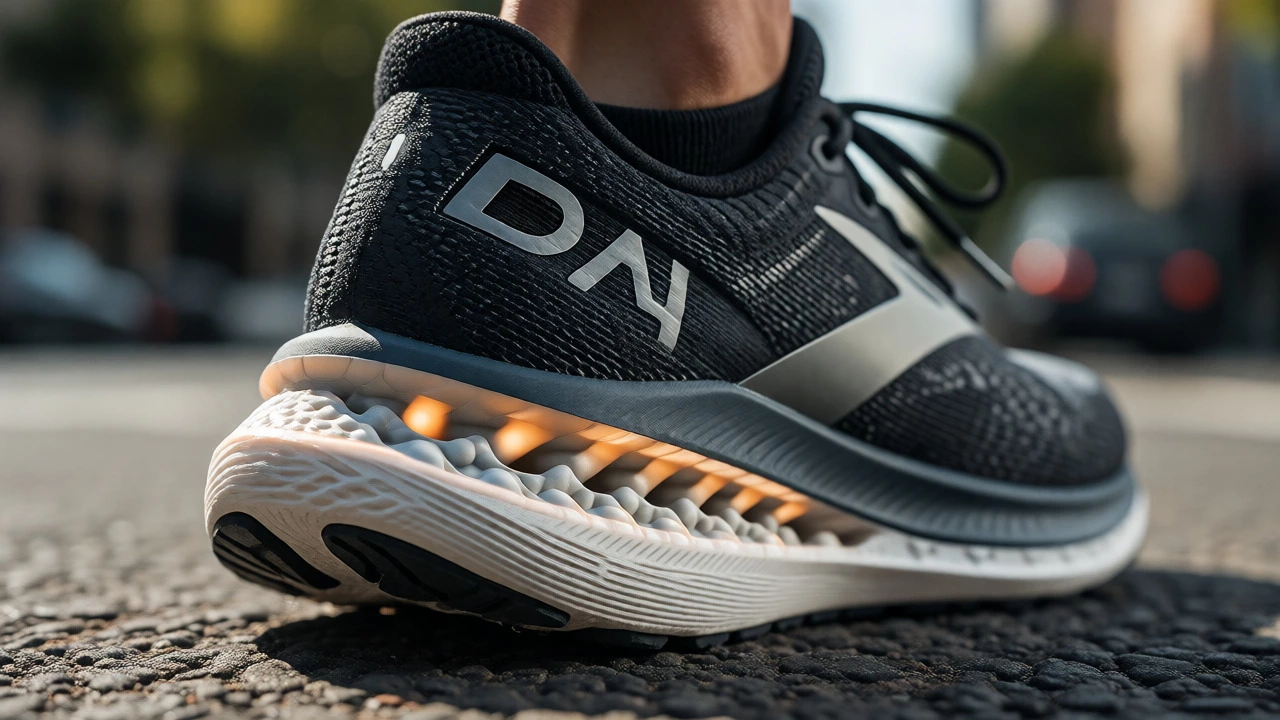
The DNA Loft Cushioning System
Most runners think cushioning is about softness. You step on a cloud, right? Wrong. For a podiatrist, cushioning is about energy return and stability. Brooks uses a proprietary foam called DNA Loft, which is a blend of ethylene-vinyl acetate (EVA), rubber, and air. Unlike standard EVA foams that compress and stay compressed, DNA Loft is designed to rebound quickly. This matters because when your foot hits the ground, it needs support that doesn't collapse under repeated impact.
| Foam Type | Primary Benefit | Podiatrist Concern |
|---|---|---|
| Standard EVA | Lightweight and cheap | Breaks down quickly; poor energy return leads to fatigue |
| DNA Loft (Brooks) | Balanced softness and responsiveness | Minimal; offers consistent protection over hundreds of kilometers |
| Nitrogen-Infused (e.g., Nike ZoomX) | Extreme bounce for racing | Can be unstable for daily training; may aggravate ankle instability |
Podiatrists prefer DNA Loft because it provides a predictable ride. When you run 10 kilometers, your muscles get tired. If your shoe collapses halfway through, your tendons take over the work they weren't designed for. That’s how injuries happen. The consistency of this foam means your arch support remains effective from kilometer one to ten.
GuideRails Holistic Support System
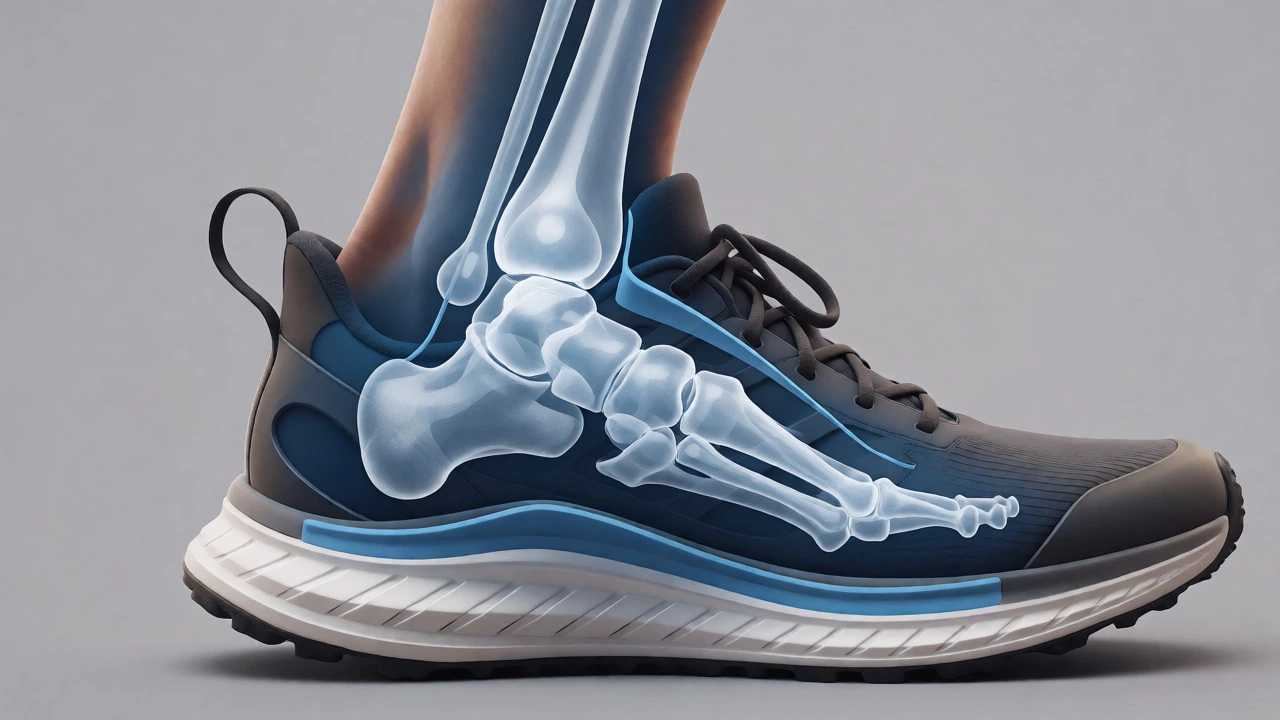
If you have ever struggled with pronation-where your foot rolls inward too much-you’ve likely been sold a "stability" shoe. Traditional stability shoes use a hard plastic post on the inside of the midsole to physically stop your foot from rolling. It’s like putting a brick in your shoe. It works, but it feels clunky and only helps if you overpronate significantly.
Brooks changed the game with their GuideRails technology. Instead of a rigid post, they place raised side rails along the edges of the midsole. Think of them like the bumpers in bowling. If you roll straight, you don’t touch the bumpers. If you start to drift off course, the bumper gently guides you back. In a shoe, if your knee tracks correctly, the rails do nothing. If your knee starts to cave in (valgus collapse), the rail engages to nudge your alignment back.
- Active Support: Only engages when needed, reducing unnecessary interference with natural movement.
- Knee Health: Directly targets knee valgus, a common cause of runner's knee and IT band syndrome.
- Versatility: Suitable for mild overpronators who find traditional stability shoes too harsh.
This approach aligns perfectly with modern podiatric philosophy: support the body’s natural mechanics rather than forcing them into a rigid mold. It’s less intrusive and often more comfortable for long-distance running.
Fit Philosophy: The FootShape Toe Box
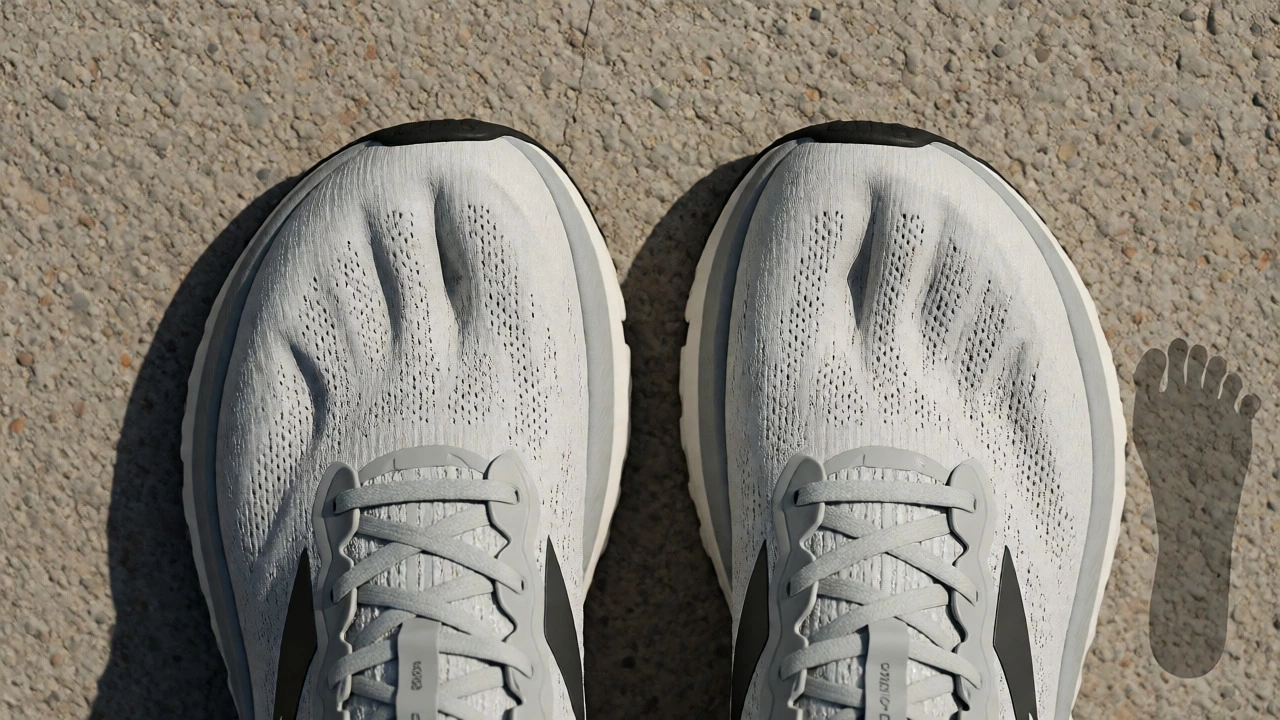
Have you ever noticed your toes feeling squished after a few kilometers? Many running brands design their shoes based on average foot shapes, which often results in a narrow toe box. This forces your toes together, which can lead to bunions, neuromas, and black toenails. Brooks takes a different approach with their FootShape fit.
Their last-the mold used to shape the shoe-is wider at the forefoot. This allows your toes to splay naturally upon impact. Why does this matter clinically? Your big toe plays a crucial role in balance and propulsion. If it’s jammed against your second toe, you lose leverage and stability. A wider toe box reduces friction and pressure points, making it a go-to recommendation for patients with early-stage bunions or wide feet.
Durability and Outsole Rubber Placement
In Melbourne, we run on everything from concrete pavements to gravel trails. Durability isn’t just about saving money; it’s about safety. Worn-out tread increases the risk of slipping, especially on wet surfaces. Brooks places high-abrasion rubber in areas where wear patterns indicate maximum stress, typically the lateral heel and the ball of the foot.
They also use blown rubber compounds in the forefoot for grip and flexibility. This strategic placement ensures that the shoe maintains its traction properties longer than competitors who might skimp on rubber coverage to save weight. For a podiatrist seeing patients with balance issues or older runners, reliable traction is a non-negotiable safety feature.
Is Brooks Right for Everyone?
No single brand fits every foot. While podiatrists frequently recommend Brooks, it’s not a magic bullet. Here is a quick checklist to see if you should try them:
- Do you have neutral to mild overpronation? Brooks excels here. Severe overpronators might still need deeper medical orthotics combined with a motion-control shoe.
- Do you have wide feet? The FootShape toe box is a major advantage.
- Are you prone to knee pain? The GuideRails system is specifically engineered to help with knee tracking issues.
- Do you prefer a balanced feel? If you hate the "mushy" feel of maximalist shoes but find minimal shoes too harsh, Brooks’ DNA Loft strikes a middle ground.
However, if you are an elite sprinter needing extreme stiffness for speed, or someone with severe flat feet requiring rigid medial posting, a Brooks Ghost or Adrenaline GTS might not be enough. Always consult your specialist for personalized advice.
Frequently Asked Questions
Which Brooks model is best for plantar fasciitis?
The Brooks Ghost is often recommended for plantar fasciitis due to its balanced cushioning and smooth transition. However, the Brooks Adrenaline GTS is better if you also overpronate, as the GuideRails provide extra support that reduces strain on the plantar fascia.
Are Brooks shoes good for flat feet?
Yes, particularly models like the Adrenaline GTS. The GuideRails technology supports the arch without using a hard medial post, which can be uncomfortable for people with flexible flat feet. It encourages proper alignment while allowing some natural movement.
How long do Brooks running shoes last?
Typically between 600 to 800 kilometers. The DNA Loft foam is durable, but once you notice visible compression lines in the midsole or uneven wear on the outsole, it’s time to replace them. Continuing to run on worn-out shoes increases injury risk.
Do Brooks shoes run true to size?
Generally, yes, but the FootShape toe box means they feel roomier than brands like Nike. If you usually buy a size 9 in other brands, stick with a 9 in Brooks. If you have very narrow feet, you might find them slightly loose in the heel, though the lacing system usually compensates well.
Why do podiatrists dislike 'maximalist' shoes for some patients?
While not all maximalist shoes are bad, some extremely soft, thick-soled shoes can create instability. They raise the center of gravity and can mask proprioception (your body's sense of position). Brooks tends to offer moderate cushioning that protects joints without sacrificing ground feedback, which is safer for most recreational runners.