No-Equipment Workout Builder
Total Selected Activities: 0
Suggested Focus: Balanced
Suggested Weekly Schedule
| Day | Activity Type | Recommended Action | Duration |
|---|
Imagine wanting to get fit but dreading the trip to the store to buy expensive gear. Or maybe you’re traveling light and can’t carry a tennis racket or soccer ball. The good news is that some of the most effective forms of exercise require absolutely nothing but your own body and a patch of ground. Bodyweight training is a form of physical conditioning that uses the weight of one's own body as resistance. It eliminates the barrier of cost and space, making fitness accessible to anyone, anywhere.
This isn't just about doing push-ups in a hotel room. There are entire competitive sports and recreational activities where "zero equipment" is the core rule. Whether you want to build muscle, improve cardiovascular health, or simply move more, these options offer high value with zero overhead. Let’s look at what actually counts as no-equipment sport and how you can start today.
The Core Definition: What Counts as 'No Equipment'?
First, let’s clear up a common misconception. Does wearing shoes count as equipment? Usually, yes, but for the sake of this guide, we are looking for activities where you don't need specialized tools, balls, rackets, or heavy machinery. The line is drawn between general clothing (shoes, shorts) and specific sporting implements.
Calisthenics is a system of bodyweight exercises that emphasizes strength, flexibility, and endurance. It is the gold standard for no-equipment strength training. Unlike weightlifting, which requires barbells and plates, calisthenics relies on gravity. You use your arms, legs, and core to lift your own mass. This makes it infinitely scalable; a beginner might struggle with a single pull-up, while an advanced athlete performs human flags on a bar.
However, not all no-equipment sports are about strength. Some focus entirely on speed and agility. The key distinction here is that the environment provides the resistance, not a piece of plastic or metal.
Top Sports That Require No Gear
If you are searching for a specific activity, here are the top contenders that fit the bill perfectly. These are not just workouts; they are structured activities with rules, communities, and even competitions.
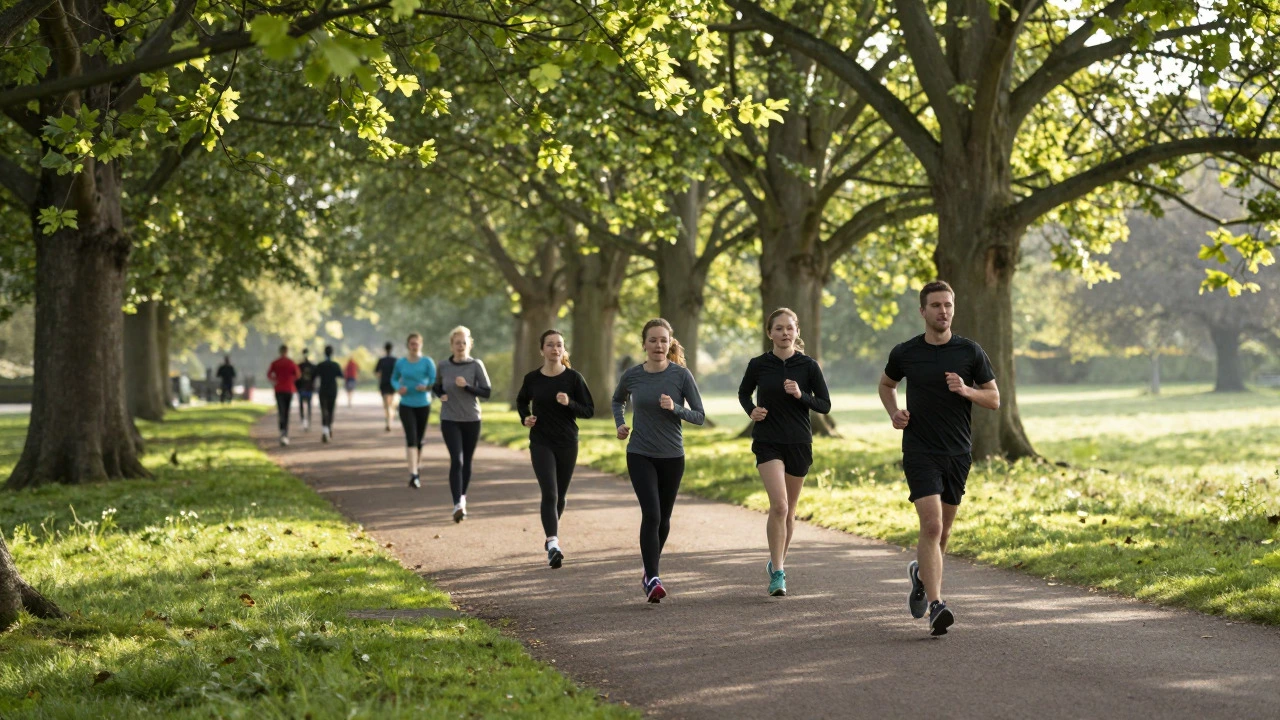
- Running: Often cited as the ultimate no-equipment sport. All you need is a pair of shoes (which many consider basic attire rather than sport-specific gear) and a path. Running improves heart health, burns calories, and builds bone density. It is the most accessible cardiovascular exercise in the world.
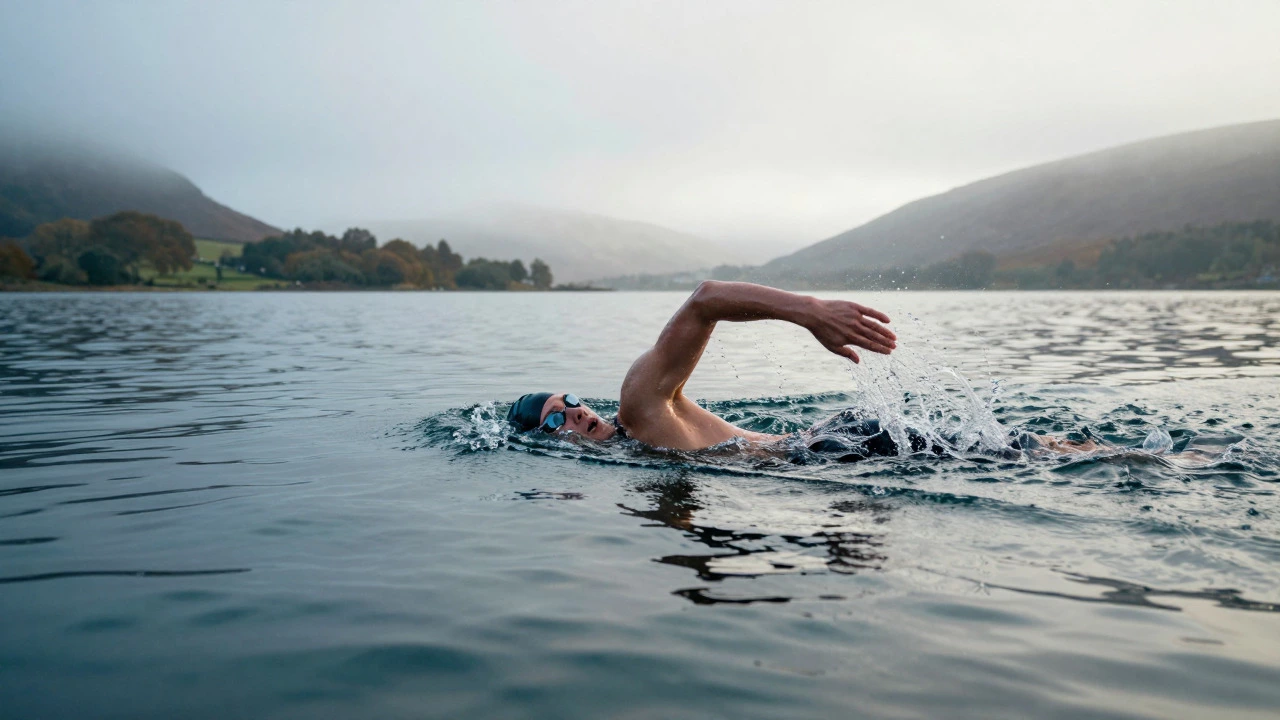
- Swimming: While you technically need a pool or open water, you don't need a ball, bat, or net. Water resistance provides a full-body workout without joint impact. Freestyle, backstroke, and breaststroke are all valid ways to compete or train without holding anything in your hands.
- Walking: Don't underestimate walking. It is a low-impact aerobic activity that reduces the risk of chronic diseases. For those with mobility issues or injuries, walking is often the only viable option for daily movement.
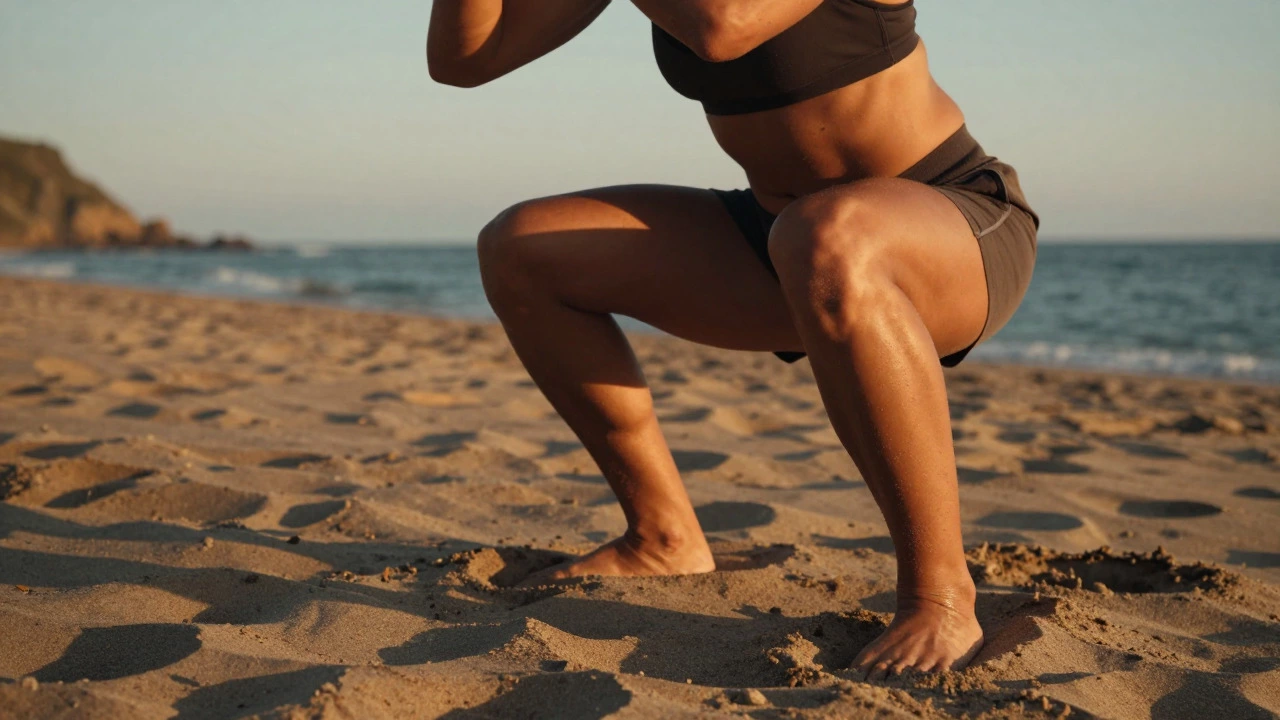
- Calisthenics: As mentioned, this covers push-ups, squats, lunges, planks, and burpees. You can do these in a park, a living room, or a beach. The variety is endless because you can change leverage points to increase difficulty.
- Dance: From Zumba to traditional folk dancing, dance is a high-energy activity that requires no props. It improves coordination, balance, and mental well-being. Many people find it more enjoyable than running because it feels like play rather than work.
Notice a pattern? These activities rely on body mechanics and environmental interaction rather than external objects. This makes them incredibly durable choices for long-term health habits.
Why Choose No-Equipment Activities?
You might wonder why anyone would choose these over gym-based workouts. The answer lies in consistency and convenience. Here is why removing equipment removes friction:
- Zero Cost Barrier: No membership fees, no gear purchases. If you have clothes, you have a workout plan. This is crucial for students, travelers, or anyone on a tight budget.
- Time Efficiency: No commute to a gym. No waiting for machines. You can start a workout in under 30 seconds. This is vital for busy schedules.
- Mental Freedom: Without the pressure of a gym environment or the fear of using machines incorrectly, beginners feel less intimidated. You learn to listen to your body rather than follow a machine's settings.
- Portability: Your gym goes wherever you go. On vacation, in a new city, or during a power outage, your ability to stay active never stops.
Research consistently shows that the biggest predictor of long-term fitness adherence is not intensity, but frequency. By removing logistical hurdles, no-equipment sports make it easier to show up every day.
Building a Routine: How to Start Today
Knowing *what* to do is easy. Knowing *how* to structure it is where most people fail. Here is a simple framework to get started with no equipment.
Week 1-2: Foundation Building
Your goal is to establish the habit, not to break sweat immediately. Aim for 15 minutes a day.
- Monday/Wednesday/Friday: 10 minutes of brisk walking. Focus on posture and breathing.
- Tuesday/Thursday: 5 sets of 10 air squats and 5 sets of 10 wall push-ups. Rest 60 seconds between sets.
- Saturday/Sunday: Active recovery. Stretching or a gentle walk in nature.
Week 3-4: Increasing Intensity
Now that your body is used to moving, add volume.
- Cardio Days: Increase walking to 20-30 minutes, or try interval jogging (1 minute run, 2 minutes walk).
- Strength Days: Switch from wall push-ups to knee push-ups. Add 5 lunges per leg. Hold a plank for 30 seconds.
- Rest Days: Continue stretching. Focus on hip flexors and shoulders.
This progression ensures you avoid injury while building momentum. The key is consistency, not perfection.
Common Pitfalls to Avoid
Even with simple activities, mistakes happen. Watch out for these traps:
- Ignoring Form: Just because there is no weight doesn't mean technique doesn't matter. Bad squat form can hurt your knees. Bad running form can lead to shin splints. Film yourself or watch tutorials to check your alignment.
- Underestimating Recovery: Bodyweight exercises can be intense. Muscles need time to repair. Ensure you sleep 7-9 hours and eat enough protein.
- Boring Yourself: If you stick to the same routine for months, you will quit. Rotate activities. One week focus on running, the next on calisthenics, the next on swimming. Variety keeps motivation high.
Remember, the best workout is the one you actually do. If you hate running, don't force it. Try dancing or swimming instead.
Comparison: No-Equipment vs. Traditional Gym Workouts
To help you decide if this approach fits your lifestyle, here is a direct comparison between no-equipment sports and traditional gym-based training.
| Feature | No-Equipment Sports | Gym-Based Training |
|---|---|---|
| Cost | $0 - $50 (shoes) | $30 - $100/month + gear |
| Space Required | None (can be done in a small room) | Requires gym access |
| Progression Method | Leverage changes, reps, speed | Adding weight |
| Injury Risk | Low (if form is correct) | Medium (risk of dropping weights) |
| Social Aspect | Group runs, parks, online communities | Gym classes, spotting partners |
| Convenience | High (anytime, anywhere) | Medium (fixed hours/location) |
As you can see, no-equipment sports win on cost and convenience. Gym training wins on measurable linear progression (adding pounds). Both are valid; the right choice depends on your goals and schedule.
Frequently Asked Questions
Do I need special shoes for running or walking?
While not strictly 'equipment' in the same way as a racket, proper footwear is highly recommended. Running shoes provide cushioning to protect joints from impact. Walking shoes should have good arch support. However, barefoot walking on soft surfaces is also a valid practice for strengthening foot muscles.
Can I build significant muscle without weights?
Yes. Through progressive overload using bodyweight variations (like pistol squats or one-arm push-ups), you can build substantial lean muscle mass. Elite gymnasts and martial artists demonstrate incredible strength without ever touching a dumbbell. The limit is usually skill and consistency, not lack of iron.
Is swimming really considered a no-equipment sport?
In terms of carrying gear, yes. You don't hold a ball or bat. However, you do need access to water. If you live near a pool or ocean, it is one of the best full-body cardio options available. Goggles and caps are optional accessories, not required for the basic act of swimming.
What is the easiest no-equipment sport for beginners?
Walking is the easiest entry point. It has a very low technical skill requirement and minimal injury risk. Start with 10-15 minutes a day and gradually increase duration. Once comfortable, add simple movements like squats or arm circles to engage more muscle groups.
How often should I do no-equipment workouts?
For general health, aim for 150 minutes of moderate activity per week. This could be five 30-minute walks or three 50-minute sessions. Strength-focused bodyweight routines can be done 3-4 times a week, allowing rest days for muscle recovery. Consistency matters more than frequency.