Sport Equipment Cost Estimator
Cost Breakdown
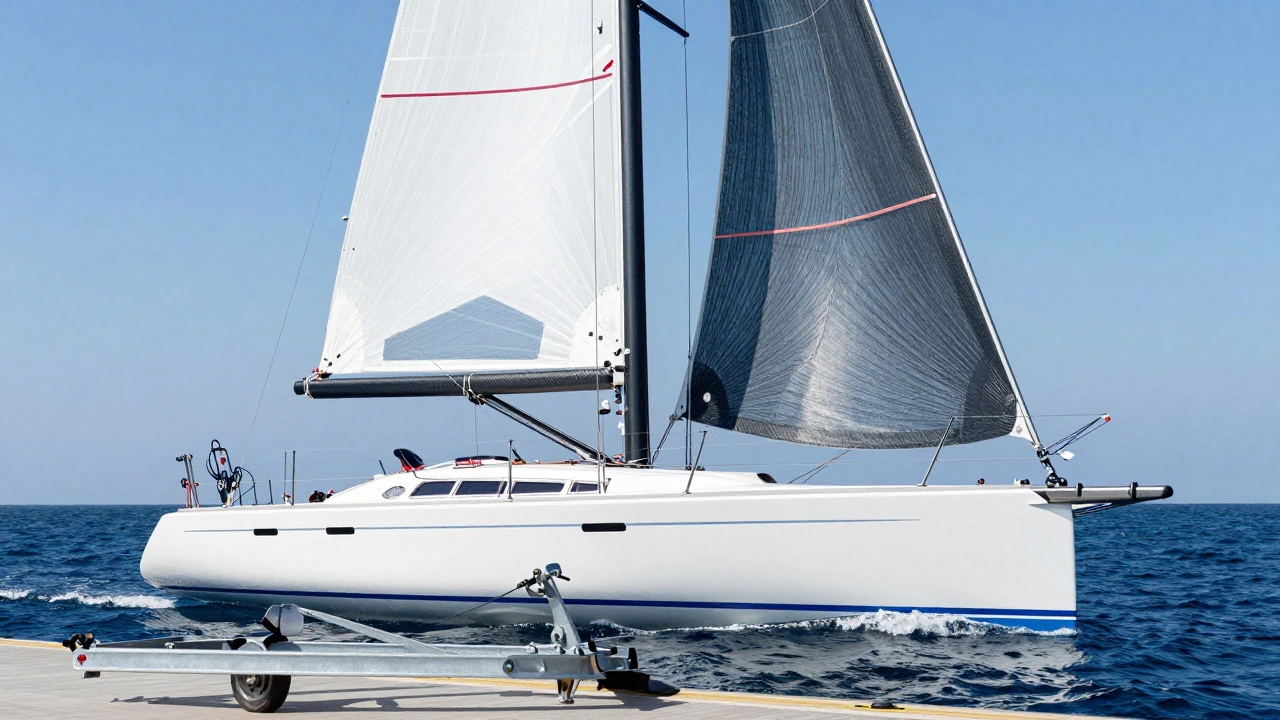
SailingMost people assume that professional athletes spend a fortune on their gear, but for casual players, the entry price tag is usually manageable. However, some sports demand a level of financial commitment that surprises even seasoned hobbyists. When you look at the total cost of entry-combining necessary gear, maintenance, and optional upgrades-a few specific activities stand out as the most expensive hobbies in the world.
The answer isn't just one sport. It depends on whether you are looking at the initial outlay or the long-term cost of ownership. For instance, F1 Racing is undeniably the most expensive if you count team support, but for individual participants, Sailing and Equestrianism often top the lists due to the sheer size and fragility of the required assets.
The High-End Individual Sports: Sailing and Equestrianism
If we strip away the corporate sponsorship money from Formula 1 and look at what an individual needs to buy to participate competitively, Sailing takes the crown for many enthusiasts. The barrier to entry is not just the boat; it is the infrastructure. A decent performance dinghy might cost $5,000 to $10,000, but once you move into keelboats or catamarans, prices jump to $50,000 or more. But the boat is only half the story. You need a trailer, which can run $3,000 to $8,000. Then there is the sailcloth, which degrades quickly and requires replacement every two to three seasons, costing thousands each time. Add in rigging, electronics like GPS plotters and wind instruments, and annual mooring fees, and your annual budget easily exceeds $10,000 before you even consider coaching.
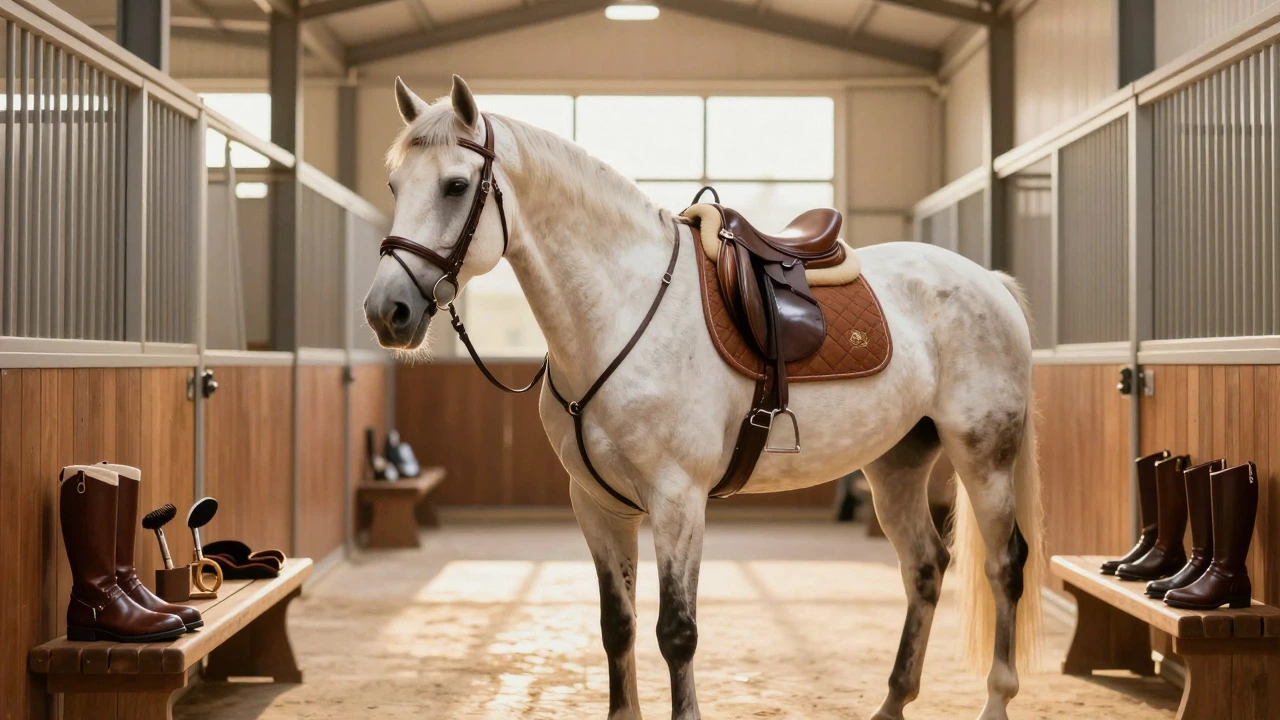
Equestrianism, or horse riding, operates on a similar economic model but with a living asset. The horse itself is the primary expense. A competitive show jumper or dressage horse can range from $10,000 for a young prospect to over $100,000 for a proven champion. Beyond the purchase price, you must account for stable fees, which average $300 to $600 per month in Australia. Feed, farrier services (hoof trimming), veterinary care, and insurance add up quickly. If you want to compete at a high level, you also need custom-fitted tack-saddles, bridles, and boots-that can easily exceed $5,000. The unpredictability of animal health makes this a financially risky investment compared to static equipment like bikes or rackets.
High-Tech Precision: Golf and Skiing
While sailing and horses involve large physical assets, Golf and Skiing rely on precision engineering. In golf, the cost lies in the clubs. A standard set of irons and woods for a mid-level player might cost $1,500, but custom-fitted sets from brands like Titleist or Callaway can reach $4,000 to $5,000. This includes personalized shafts and grips designed to match your swing speed and posture. However, the real cost driver in golf is not the gear itself, but the access to play. Green fees, caddies, and club memberships can dwarf the equipment costs. That said, purely in terms of hardware, a full set of premium golf clubs is a significant one-time investment.
Skiing presents a different challenge. High-end skis from brands like Atomic or Rossignol can cost $800 to $1,200 per pair. Boots are another major expense, with custom-molded liners adding hundreds of dollars. Bindings, poles, and specialized clothing (like Gore-Tex jackets) complete the kit. A full setup for serious backcountry skiing can easily hit $3,000 to $4,000. Unlike golf clubs, which last for years, skis wear down faster due to edge abrasion and base damage, requiring regular tuning or replacement every two to three seasons. Additionally, lift passes and travel to ski resorts add recurring costs that keep the total annual expenditure high.
The Hidden Costs of Extreme Sports
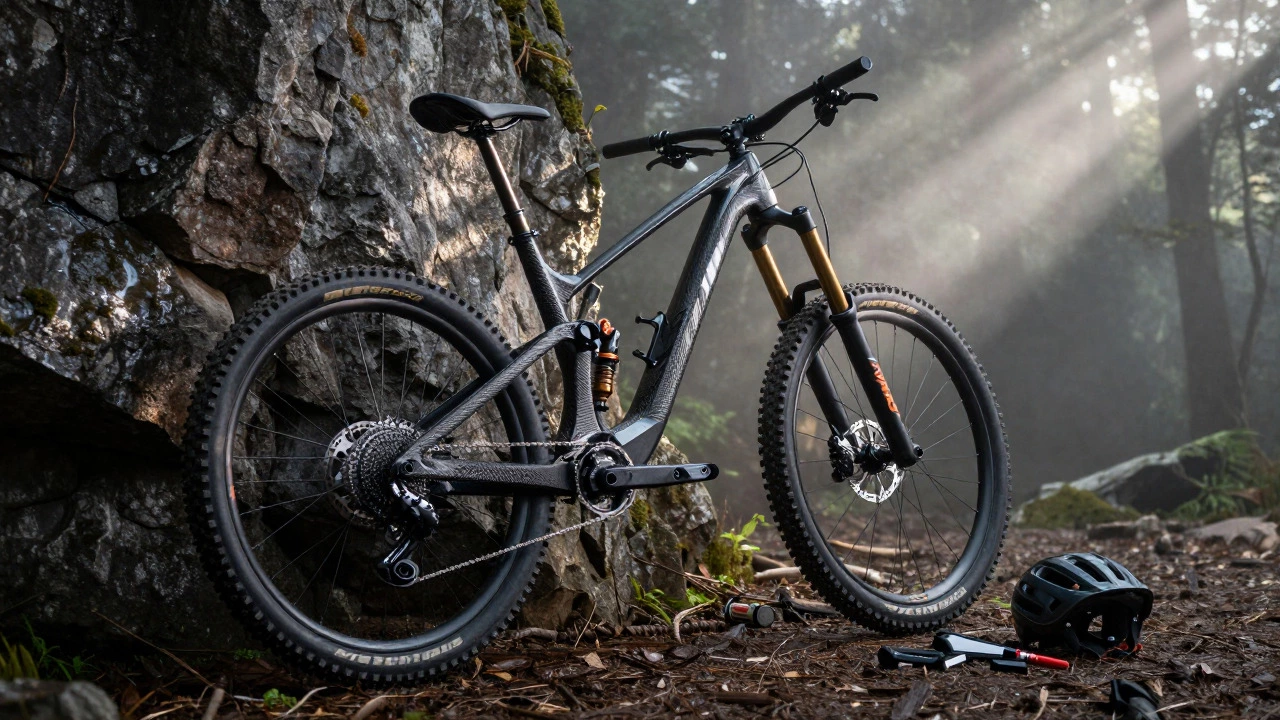
You might think extreme sports like Mountain Biking or Surfing are cheap because they don't require massive vehicles or animals. This is a common misconception. A high-performance carbon fiber mountain bike can cost $5,000 to $8,000. Add a helmet, suspension forks, tires, and maintenance tools, and you are looking at a substantial sum. Surfboards are cheaper individually ($500 to $1,500), but surfers often own multiple boards for different wave conditions. Wetsuits, wax, leashes, and transport to remote breaks add up. Moreover, both sports have high repair rates. Broken bike frames and dinged surfboards mean constant replacement costs, keeping the lifetime value of these hobbies surprisingly high.
Comparison of Entry-Level vs. Competitive Costs
To visualize the differences, let's compare the estimated costs for a beginner versus a competitive amateur in select sports. These figures reflect typical market prices in Australia as of 2026.
| Sport | Initial Gear Cost (AUD) | Annual Maintenance/Access (AUD) | Key Expense Drivers |
|---|---|---|---|
| Sailing (Keelboat) | $50,000 - $100,000 | $5,000 - $10,000 | Boat, Trailer, Sail Replacement, Mooring |
| Equestrianism | $15,000 - $50,000+ | $6,000 - $12,000 | Horse Purchase, Stable Fees, Vet Care, Tack |
| Golf | $2,000 - $5,000 | $3,000 - $8,000 | Custom Clubs, Green Fees, Course Membership |
| Skiing | $3,000 - $5,000 | $2,000 - $5,000 | Skis, Boots, Lift Passes, Travel |
| Mountain Biking | $3,000 - $6,000 | $1,000 - $2,000 | Bike Frame, Suspension, Tires, Repairs |
Notice how Sailing and Equestrianism dominate the initial cost column. This is because they involve capital assets (boats and horses) that depreciate slowly but require ongoing care. In contrast, Golf and Skiing have lower initial gear costs but higher recurring access costs. Mountain Biking sits in the middle, offering a balance between upfront investment and maintenance.
Why Do Some Sports Cost More?
The price tag of sports equipment is driven by three main factors: material technology, durability, and exclusivity. Materials like carbon fiber, titanium, and specialized polymers are expensive to produce but offer performance benefits. Durability matters too; if your gear breaks often, the long-term cost rises. Finally, exclusivity plays a role. Sports with smaller participant bases, like Sailing or Equestrianism, have less competition among manufacturers, allowing brands to charge premium prices. Mass-market sports like Running or Basketball benefit from economies of scale, keeping prices lower for the average consumer.
Practical Tips for Managing High-Cost Gear
If you are drawn to one of these expensive sports, here are a few ways to manage the budget without sacrificing performance:
- Buy Second-Hand: Boats, bikes, and golf clubs hold value well. The used market offers significant discounts, especially for previous year's models.
- Rent Before You Buy: Try renting a boat or horse for a season to see if the lifestyle fits your budget before making a large purchase.
- Focus on Core Gear: Invest in the most critical items first. For example, in skiing, good boots matter more than flashy skis. In golf, a fitted driver is more valuable than a full set of new irons.
- Maintain Regularly: Proper care extends the life of your equipment. Cleaning sails, sharpening ski edges, and servicing bike chains can save thousands in replacements.
Frequently Asked Questions
Is Formula 1 the most expensive sport for individuals?
Not really. While F1 cars cost millions, individuals rarely buy them. For private participation, Sailing and Equestrianism are typically more expensive due to the need for personal assets like boats and horses.
What is the cheapest sport to start with minimal gear?
Running and swimming are among the cheapest. You primarily need shoes or a swimsuit, with no additional equipment required for basic participation.
Do golf clubs lose value quickly?
Yes, golf clubs depreciate rapidly, often losing 50% of their value within two years as new technologies are released. Buying second-hand is a smart strategy for saving money.
Is equestrianism worth the cost for beginners?
It depends on your goals. If you want to own a horse, the costs are high. However, you can start by leasing a horse or taking lessons, which reduces the initial financial burden significantly.
How much does it cost to maintain a sailboat annually?
Expect to spend 10-15% of the boat's value annually on maintenance, insurance, and storage. For a $50,000 boat, this means $5,000 to $7,500 per year, plus the cost of replacing sails every few years.