Sport Gear Priority Evaluator
How to use: Select the gear you are considering purchasing. The tool will analyze the item based on the "Hierarchy of Needs" (Safety → Contact Points → Performance) and give you a priority recommendation.
Analysis Result
Click on a piece of equipment above to see the priority analysis.
The Foundation: Footwear as the Ultimate Essential
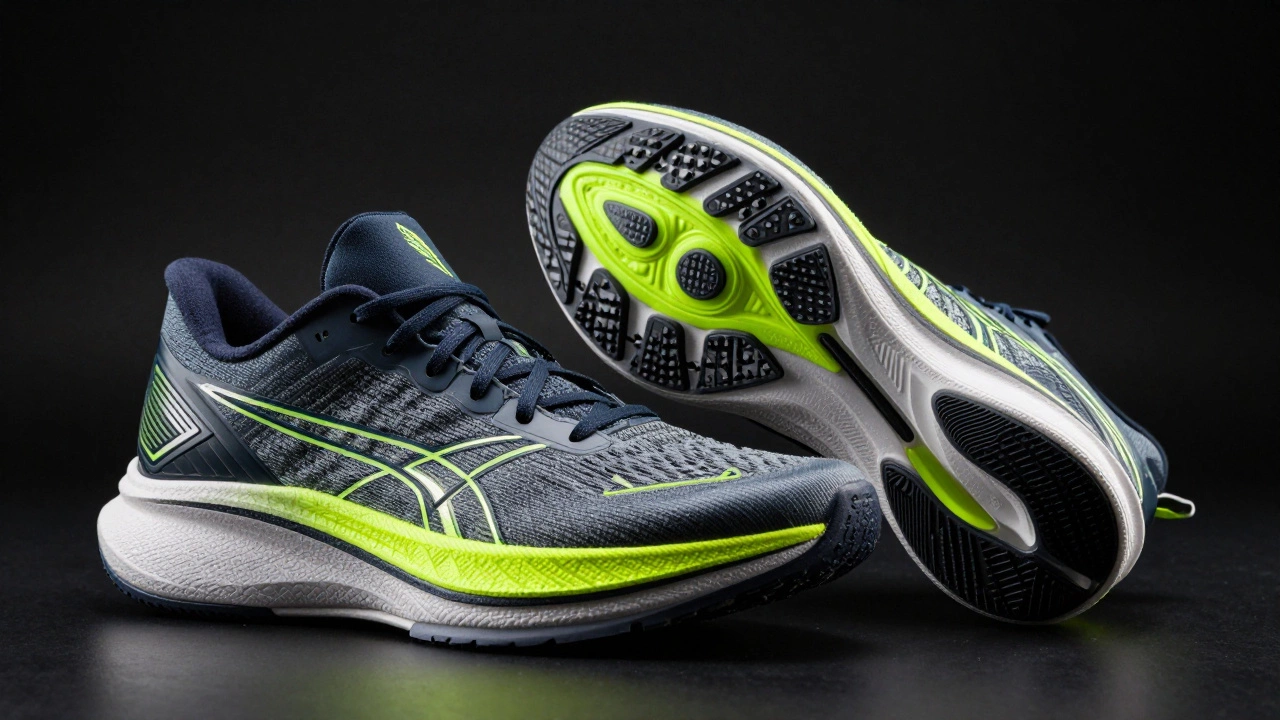
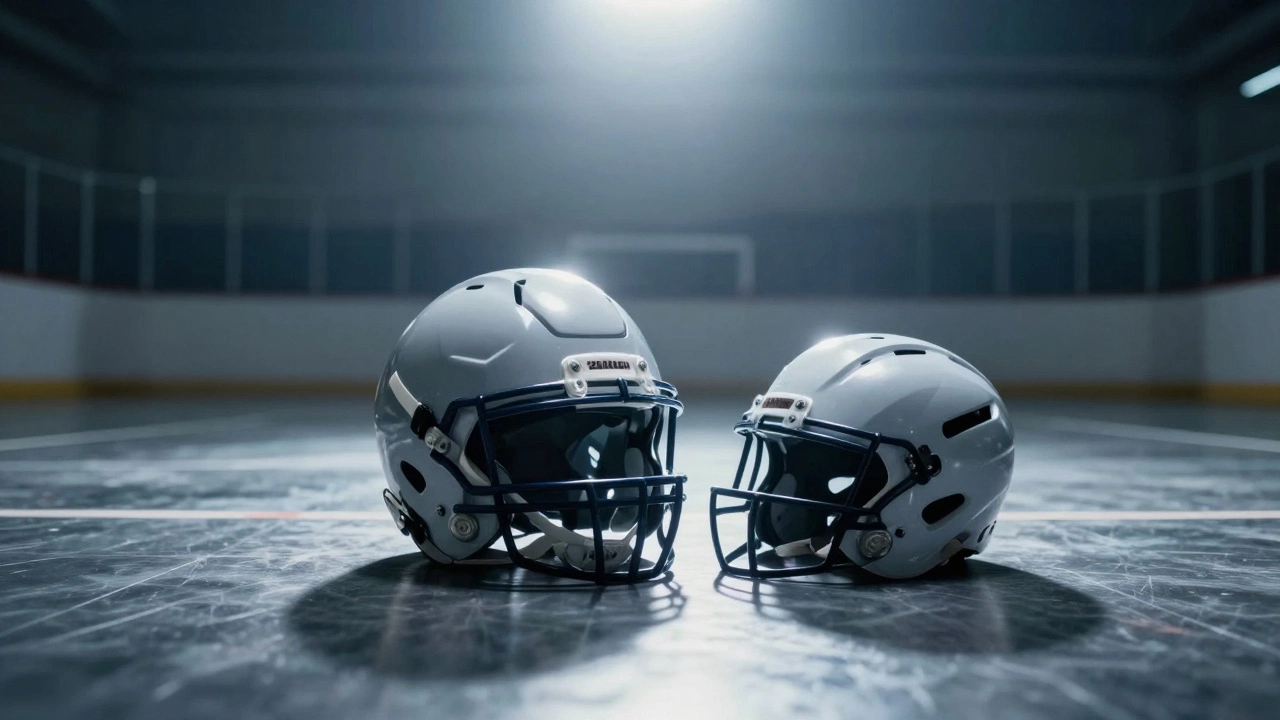
If we have to pick one category that transcends almost every single sport, it's footwear. Your shoes are the only piece of equipment that interacts with the ground every single second you're active. In a game of basketball, for example, a pair of Basketball Shoes is specialized footwear designed to provide ankle support and traction on hardwood floors. If you try to play in flat sneakers, you're asking for a sprained ankle or a slide that ends in a collision. Think about the physics of a sprint. A Running Shoe isn't just a piece of clothing; it's a tool for energy return. Modern shoes use PEBA foam or carbon fiber plates to push you forward. If you're running a marathon in old, worn-out trainers, your muscles work harder to compensate for the lack of cushioning, which leads to faster fatigue and a higher chance of stress fractures. The "importance" here is clear: the right shoe prevents injury and directly increases your speed. In some sports, equipment isn't just about playing better-it's about surviving. This is where the conversation shifts from performance to protection. Take American Football. A player cannot legally or safely enter the field without a Helmet, which is a hard plastic shell with internal padding designed to absorb impact and reduce concussions. In this context, the helmet is the most important piece of equipment because it is the barrier between the athlete and a traumatic brain injury. We see the same logic in cycling. A Bicycle Helmet is a lightweight, impact-resistant cap that has been proven to reduce the risk of head injury by up to 85% in accidental falls. While a high-end bike might make you faster, the helmet is what allows you to keep riding after a crash. When we weigh "importance," the gear that saves your life always outweighs the gear that shaves a second off your lap time.
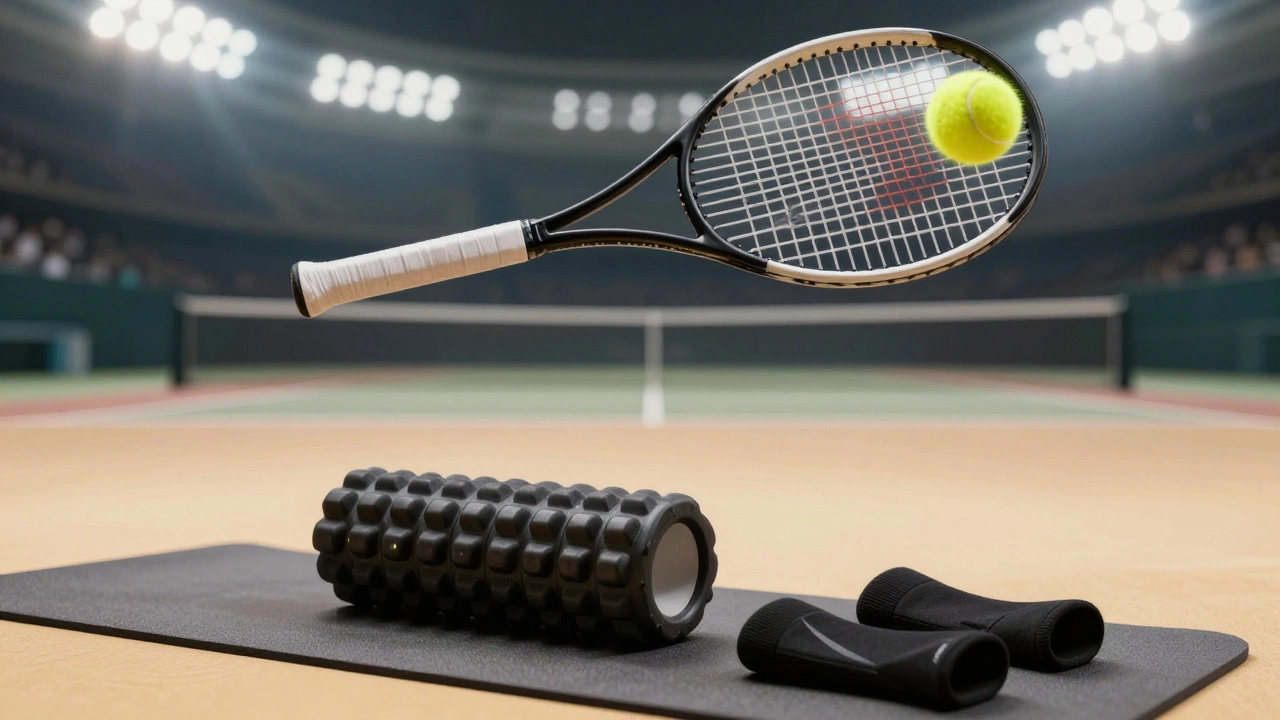
For many, the most important equipment is the tool that allows the sport to exist. You can't play tennis without a Tennis Racket, and you can't play golf without Golf Clubs. These aren't just accessories; they are extensions of the athlete's body. A racket, for instance, is an engineering marvel of carbon fiber and graphite, designed to manipulate the spin and velocity of a ball. If you're a beginner, you might think a cheap racket is fine. But as you move into intermediate play, the tension of the strings and the balance point of the frame become critical. A racket that is too head-heavy will slow down your swing, while one that is too light might lack the power to hit a baseline winner. The gear becomes the primary vehicle for skill expression. Without it, the sport simply doesn't happen. Most people forget that the game doesn't end when the whistle blows. In the modern era, Recovery Gear has become just as vital as the gear used during the match. Consider the Foam Roller, which is a cylindrical piece of dense foam used for self-myofascial release to reduce muscle soreness. By breaking up adhesions in the fascia, athletes can return to training faster.
Since you probably don't have a limitless budget, you need a strategy for buying gear. The best way to do this is to follow a simple hierarchy of needs. First, look at safety. If a piece of equipment is required to keep you from getting hurt, buy the best version you can afford. Don't skimp on a helmet or a high-quality set of pads. Second, look at the "contact point." This is where your body meets the equipment or the ground. This is why shoes and grips are usually the next most important investment. Finally, look at performance enhancers. These are the "nice-to-haves." For example, a fancy GPS watch that tracks your heart rate and VO2 max is great for a data-driven runner, but it won't stop you from getting a blister the way a good pair of socks will. If you're choosing between a top-tier racket and a mediocre pair of shoes, always pick the shoes. You can play a decent game with a basic racket, but you can't play at all if your feet are bleeding. A big mistake many athletes make is buying gear that is "too professional" for their current level. You'll see beginners buying the stiffest, most expensive tennis rackets or the most aggressive sprinting spikes before they've even mastered the basic form. This doesn't just waste money; it can actually cause injury. A racket that's too stiff for a beginner's arm can lead to tennis elbow because the frame doesn't absorb the shock-your joint does. Another trap is neglecting the small things. People spend $200 on running shoes but wear thin, cotton socks. Cotton absorbs moisture and creates friction, which leads to blisters. A pair of moisture-wicking synthetic socks is arguably more "important" in that moment than the brand of the shoe. Always look for the gaps in your gear where a small, cheap upgrade can have a massive impact on your comfort and performance. Not necessarily. While high-end gear often uses better materials (like carbon fiber instead of aluminum), the most important factor is the fit. A $300 shoe that doesn't fit your foot shape is worse than a $60 shoe that does. The goal is to find equipment that matches your anatomy and skill level. It depends on the gear. Running shoes typically need replacing every 300 to 500 miles. Helmets should be replaced after any significant impact, as the internal foam compresses and loses its ability to protect. Rackets should be re-strung every few months depending on how often you play. For almost every beginner, the most important gear is a proper pair of shoes and basic safety equipment. Don't worry about the high-tech gadgets until you have a solid foundation of safety and comfort. Once you've committed to the sport, then move into specialized performance tools. Yes. Using gear that isn't suited for your level or the sport can lead to issues like shin splints, joint pain, or more severe injuries like concussions if safety gear is outdated or poorly fitted. Always ensure your gear is the correct size and designed for the specific activity you're doing. Check for "wear and tear" indicators. In shoes, look for uneven tread wear or a collapsed midsole. In helmets, look for cracks in the outer shell or degradation of the inner foam. If you see any structural failure, replace the item immediately.Safety Gear: When Equipment Becomes Non-Negotiable
The Role of Specialized Tools in Skill Development
Sport Primary Goal Most Important Gear Key Attribute Impact of Wrong Gear Marathon Running Endurance/Speed Running Shoes Cushioning/Energy Return Blisters, Stress Fractures Ice Hockey Competition/Speed Helmet/Pads Impact Absorption Severe Physical Injury Tennis Precision/Power Racket String Tension/Frame Rigidity Poor Control, Arm Strain Weightlifting Strength/Power Weightlifting Belt Intra-abdominal Pressure Lower Back Injury Recovery Equipment: The Hidden Essentials
How to Decide Which Gear to Prioritize
Common Gear Pitfalls to Avoid
Is expensive equipment always better?
How often should I replace my sports gear?
What is the most important gear for a beginner?
Can the wrong equipment cause injuries?
How do I know if my gear is still safe to use?