When people think of Brazil, they often picture soccer, Carnival, or the Amazon rainforest. But if you really want to understand Brazilian culture, you need to eat like a local. The country’s food isn’t just fuel-it’s history, rhythm, and community served on a plate. From smoky grilled meats to cheesy bread bites, Brazilian cuisine is bold, colorful, and deeply rooted in its people’s daily lives.
Feijoada: The national dish that brings everyone together
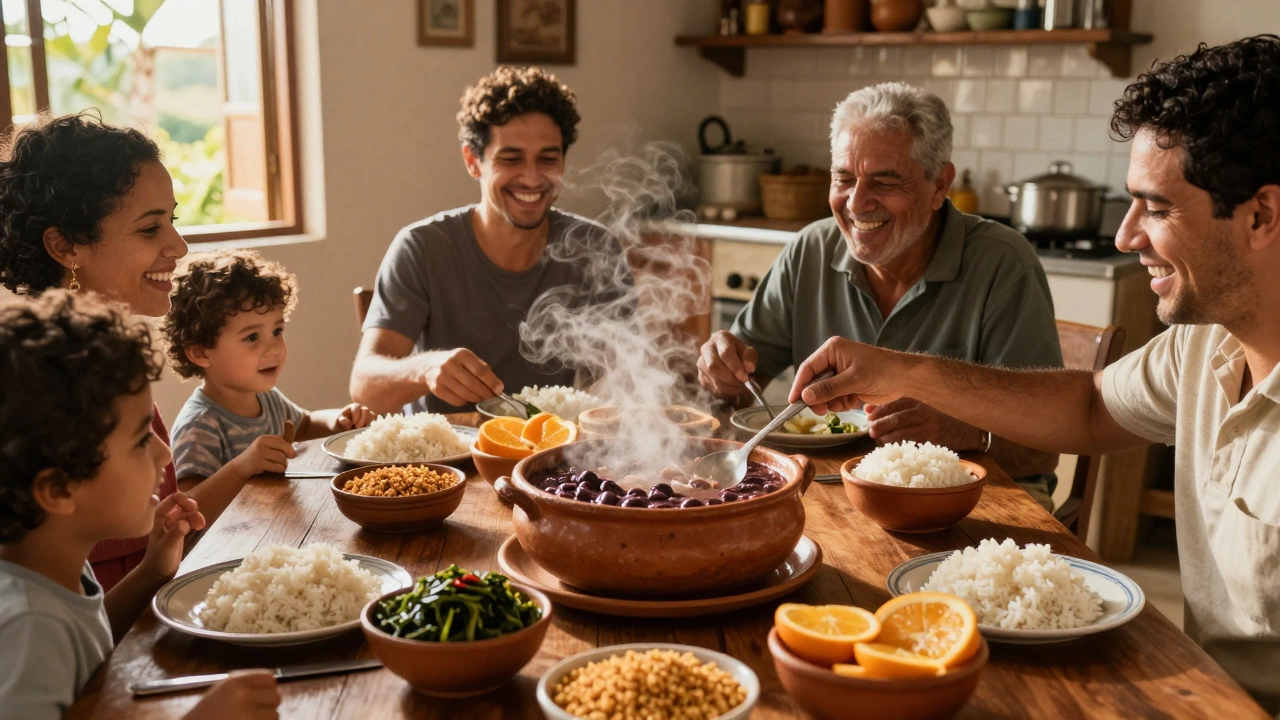
Ask any Brazilian what their most beloved dish is, and chances are they’ll say feijoada. This isn’t just a stew-it’s a Sunday ritual. Made with black beans, pork ribs, sausage, and sometimes even pig’s ear or tail, feijoada simmers for hours until the meat falls off the bone and the flavors melt into one rich, deep broth. It’s traditionally served with white rice, collard greens, sliced oranges, and farofa-toasted cassava flour that adds crunch and absorbs the juices. Families gather around the table, often after church, sharing big bowls and stories. The dish traces back to colonial times, when enslaved Africans used leftover cuts of meat to create something nourishing and flavorful. Today, it’s the official national dish of Brazil, served in homes and restaurants alike.
Churrasco: More than barbecue-it’s a way of life
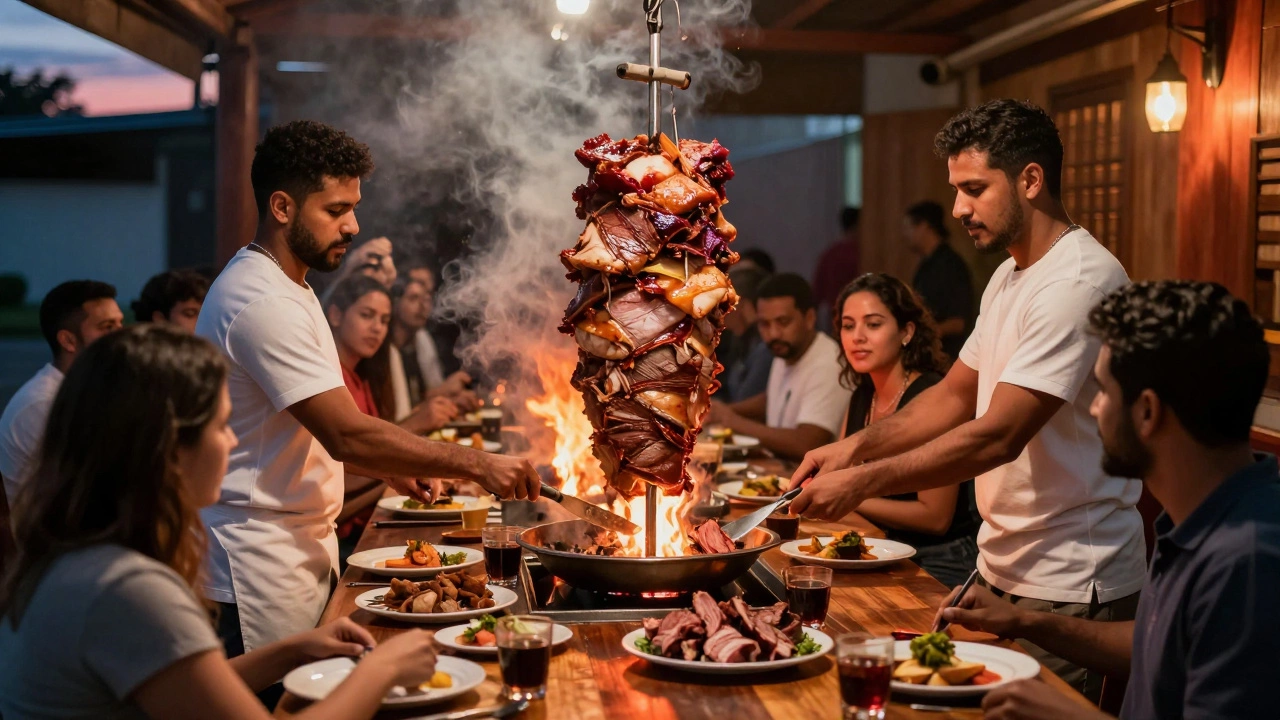
If feijoada is the soul of Brazil, then churrasco is its heartbeat. You’ll find churrasco bars, or churrascarias, on nearly every street corner. The setup is simple: skewers of beef, pork, chicken, lamb, and even pineapple rotate slowly over open flames. Waiters, dressed in white shirts and carrying giant swords, walk around the restaurant slicing meat directly onto your plate. You get as much as you want, until you flip a small card from green to red. The secret? Salt. That’s it. No marinades, no sauces-just high-quality meat and coarse sea salt. In southern Brazil, especially in Rio Grande do Sul, churrasco is almost religious. People spend hours tending the fire, and weekends revolve around the grill. It’s not just dinner-it’s an event.
Pão de queijo: The snack that never leaves your side
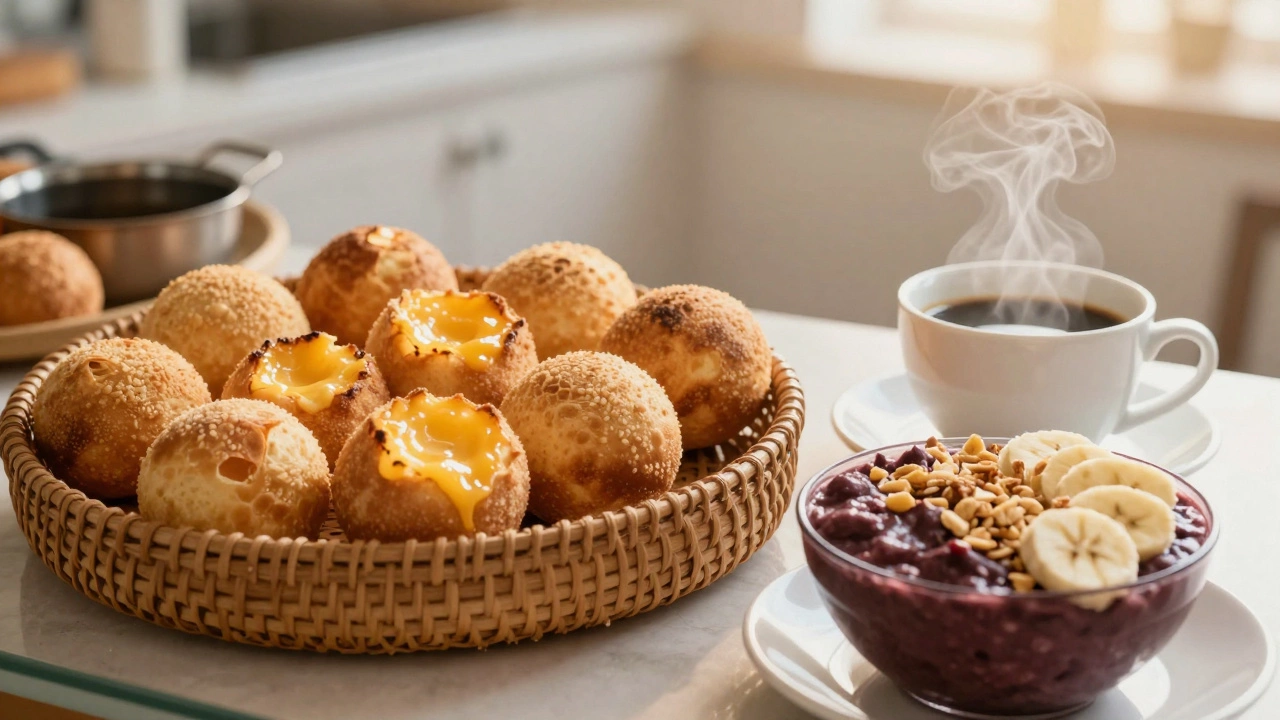
Walk into any Brazilian bakery, and you’ll smell it before you see it: warm, cheesy, slightly chewy balls of goodness called pão de queijo. Made with tapioca flour and Minas cheese, these bite-sized breads are gluten-free, crispy on the outside, and soft inside with a gooey center. Kids eat them for breakfast. Office workers grab them on the way to work. Tourists buy them by the dozen. They’re served hot, straight from the oven, and often paired with strong Brazilian coffee. You can find them in supermarkets, street stalls, and even at soccer matches. No trip to Brazil is complete without eating at least three in one sitting.
Moqueca: The coastal flavor of the sea
Head to the northeast coast, especially Bahia, and you’ll find moqueca-a fragrant fish stew cooked in a clay pot. It’s made with firm white fish like grouper or snapper, coconut milk, dendê oil (palm oil), garlic, onions, tomatoes, and cilantro. The dendê oil gives it a deep orange color and a slightly earthy, nutty taste that’s unlike anything else. Moqueca is often served with white rice and pirão, a thick cornmeal porridge that soaks up the sauce. Unlike Italian or Thai curries, moqueca doesn’t use cream or dairy. Its richness comes from coconut and palm oil, ingredients brought over by African slaves and now central to Bahian cuisine. It’s comfort food with history in every spoonful.
Brigadeiro: The sweet that’s everywhere
No Brazilian birthday party is complete without brigadeiro. These tiny chocolate truffles are made from just three ingredients: condensed milk, cocoa powder, and butter, cooked together until thick, then rolled into balls and coated in sprinkles. They’re sticky, sweet, and melt in your mouth. Legend says they were invented in the 1940s during a presidential campaign, named after Brigadier Eduardo Gomes. People made them as a treat and linked them to his name. Today, they’re the most popular dessert in the country. You’ll find them at weddings, holidays, and even as party favors. There are now endless variations-white chocolate, coconut, pistachio, even matcha-but the original dark chocolate version still rules.
Other must-try Brazilian foods
There’s more to Brazilian food than the big five. Try açaí bowls-thick purple smoothies made from frozen Amazonian berries, topped with granola and banana. They’re a breakfast staple, especially in Rio. Or grab a coxinha, a teardrop-shaped fried snack filled with shredded chicken and cream cheese, shaped to look like a chicken drumstick. Don’t skip acarajé, a deep-fried ball of black-eyed pea dough stuffed with vatapá (a spicy paste of bread, shrimp, and coconut milk), sold by street vendors in Bahia. And if you’re brave, try carne de sol-sun-dried beef, lightly grilled and served with beans and cassava. It’s salty, smoky, and surprisingly tender.
Why Brazilian food matters
Brazilian cuisine isn’t just about taste-it’s about identity. It’s African, Indigenous, Portuguese, and immigrant flavors fused over centuries. You taste slavery in feijoada, colonialism in pão de queijo, and the Amazon in açaí. Food here isn’t something you eat. It’s something you experience. It connects generations, heals wounds, and celebrates survival. Even in big cities like São Paulo or Belo Horizonte, people still gather around the table like they did in the countryside. And that’s what makes it unforgettable.
What is the most popular food in Brazil?
The most popular food in Brazil is feijoada, a hearty black bean stew with pork, traditionally served on weekends. It’s considered the national dish and is deeply tied to family gatherings and cultural identity. But pão de queijo and churrasco are equally loved in daily life.
Is Brazilian food spicy?
Most Brazilian food isn’t spicy in the way Thai or Mexican food is. Heat comes from ingredients like dendê oil or malagueta peppers in moqueca, but it’s subtle and layered. The focus is on rich, savory, and sweet flavors-not burning heat. You can always ask for extra pepper if you want more spice.
What do Brazilians eat for breakfast?
A typical Brazilian breakfast includes pão de queijo, fresh fruit like mango or papaya, bread with butter or jam, and strong black coffee. In some regions, people also have requeijão (a creamy cheese spread) or sweetened condensed milk on toast. Açaí bowls are popular in coastal cities, especially in the morning.
Are there vegetarian options in Brazilian cuisine?
Yes. While meat-heavy dishes dominate, there are plenty of vegetarian options. Pão de queijo is naturally gluten-free and vegan if made without dairy. Feijoada can be made with beans and vegetables only. Moqueca can be made with tofu or mushrooms instead of fish. Açaí bowls, farofa, and grilled vegetables are common. Many restaurants now offer vegetarian versions of traditional dishes.
Where can I try authentic Brazilian food outside Brazil?
Cities with large Brazilian communities, like Miami, New York, Toronto, and London, have authentic churrascarias and bakeries. Look for places that serve pão de queijo fresh from the oven, or where waiters carry meat on swords. Avoid places that use pre-made sauces or lack traditional sides like farofa or orange slices-those are signs of inauthenticity.