Global Sport Popularity Calculator
Select a metric below to see which sport claims the title of "Biggest" in that category.
Fan Base
Total estimated audience size worldwide
Participation
Number of active players globally
Economic Power
Revenue generation & athlete earnings
Ranking by Global Fans
Current Winner
Loading analysis...
FootballWalk into any pub in London, a cafe in Rio, or a street corner in Nairobi, and you’ll likely hear one name dominate the conversation: football. But if you head to Mumbai, Lahore, or even parts of Melbourne, the chatter shifts instantly to cricket. So, when we ask what is the biggest sport in the world, are we talking about the number of people watching, the number of people playing, or the money flowing through the league? The answer isn't as simple as pointing to a single jersey.
Most people assume Football (or soccer, depending on where you live) takes the crown without breaking a sweat. And statistically, it’s hard to argue against that. With an estimated 3.5 billion fans globally, it is the most watched sport by a massive margin. But "biggest" can mean different things. If you measure by active participation, cricket might just edge it out in terms of sheer volume of players across South Asia. If you look at revenue per athlete, American basketball or tennis could challenge the narrative. Today, let’s break down the data to see who really owns the title of the world's biggest sport, and why your location matters more than you think.
The Fan Base Battle: Football vs. Cricket
When analysts talk about the "biggest" sport, they usually start with audience size. This is where Association Football is a team sport played between two teams of eleven players with a spherical ball leaves the competition in the dust. The FIFA World Cup is the most-watched sporting event on the planet. The 2022 final alone drew over 1.5 billion viewers. That is not a typo. It’s a staggering number that dwarfs the Super Bowl, the Olympics opening ceremony, and the Rugby World Cup combined.
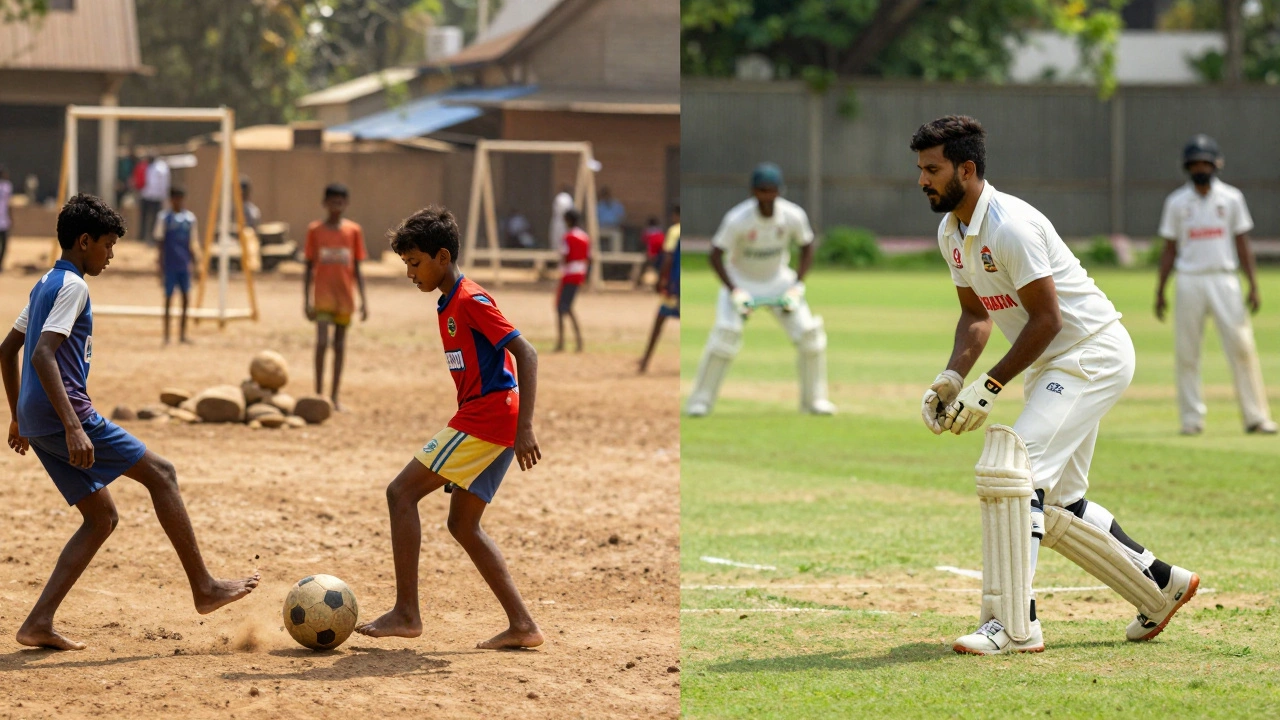
Why does football have this reach? It requires minimal equipment. You don’t need a bat, a racket, or a pool. You just need a ball and something to mark the goal. This accessibility means it grows organically in developing nations across Africa, South America, and Southeast Asia. In contrast, Cricket is a bat-and-ball game played between two teams of eleven players has a huge fan base, particularly in India, Pakistan, Australia, England, and the Caribbean. With India’s population exceeding 1.4 billion, cricket’s total fan count is estimated between 2.5 and 3 billion. It’s close, but football still holds the lead in pure numbers.
| Sport | Estimated Global Fans | Primary Regions | Key Metric |
|---|---|---|---|
| Football | 3.5 - 4 Billion | Global (Europe, S. America, Africa) | World Cup Viewership |
| Cricket | 2.5 - 3 Billion | South Asia, UK, Australia | IPL Revenue & Population Density |
| Basketball | 800 Million - 1 Billion | USA, China, Europe | NBA Global Reach |
| Tennis | 1 Billion+ | Global | Individual Participation |
| Rugby | 475 Million | UK, France, NZ, SA, Pacific Islands | RWC Engagement |
Participation Numbers: Who Actually Plays?
Fans are great for TV ratings, but participation drives culture. If you want to know which sport is woven into the daily fabric of life, you look at how many people pick up a ball on weekends. Here, the story gets interesting. While football has the highest number of registered players, cricket’s informal play-gully cricket in India, backyard matches in Australia-is often uncounted but massive. Estimates suggest over 2.5 billion people participate in cricket in some form, making it arguably the most played sport if you include casual games.
However, football’s structured participation is undeniable. FIFA reports over 265 million registered players worldwide. That includes everyone from Sunday league dads in Germany to youth academy prospects in Brazil. Tennis also punches above its weight here. Because it’s an individual sport, it doesn’t require finding ten other people to start a game. You just need a court and a partner. This makes tennis highly accessible in urban areas globally, contributing to its status as a major global sport despite having fewer "superfans" compared to football.
The Economic Powerhouse: Money Talks
If "biggest" means richest, the conversation shifts again. Football generates the most total revenue due to its scale. The top five European leagues (Premier League, La Liga, Bundesliga, Serie A, Ligue 1) generate billions annually. Transfer fees for star players regularly exceed $200 million. But on a per-player basis, other sports compete fiercely.
American sports like Basketball is a team sport in which two teams of five players try to score points by throwing a ball through a hoop and American Football is a sport played by two teams of eleven players on a rectangular field with goalposts at each end dominate in salary caps and broadcasting deals within North America. The NBA’s global marketing push has made basketball stars like LeBron James household names worldwide, boosting the sport’s commercial value outside the US. Meanwhile, tennis relies heavily on prize money and endorsements because there are no team salaries. Roger Federer and Novak Djokovic have earned hundreds of millions from sponsorships alone, showing that individual sports can create immense wealth without a team structure.

The Rugby Factor: Niche but Fierce
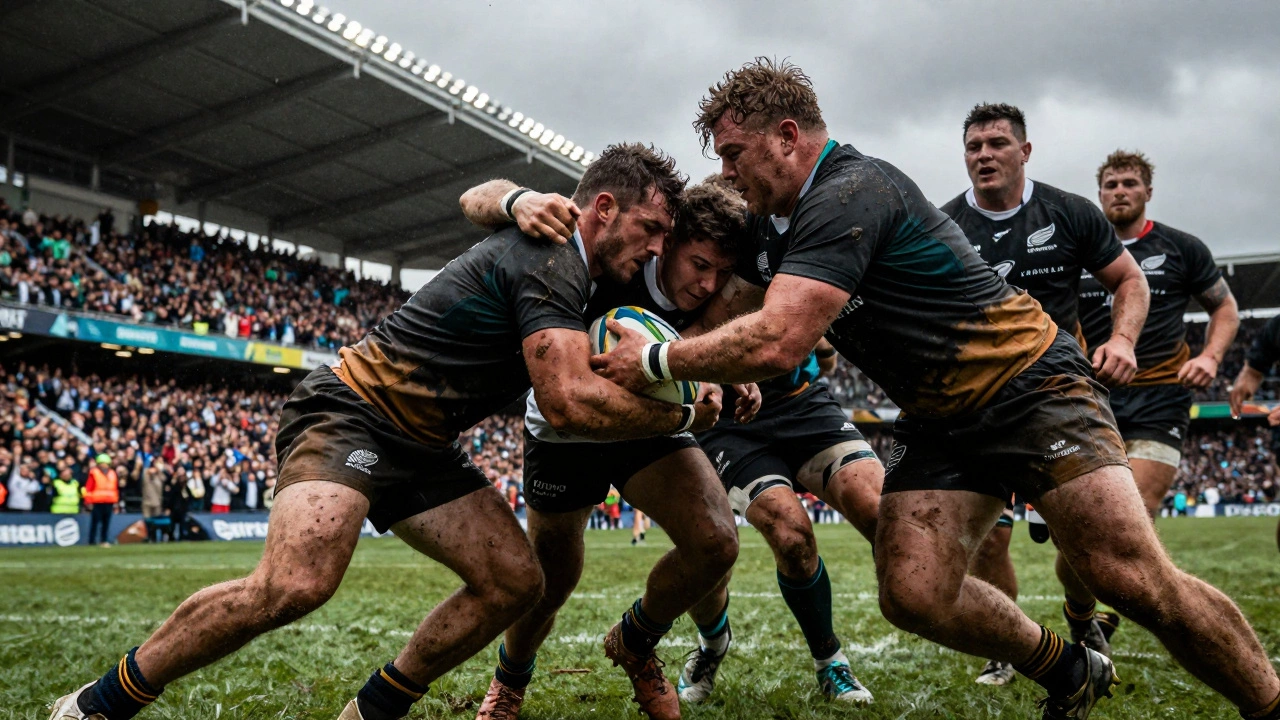
Now, let’s talk about Rugby is a collective term for team sports that involve running with the ball in hand. You might notice I mentioned rugby fixtures earlier. Why? Because while rugby isn’t the biggest sport globally, it is incredibly dominant in specific regions. In countries like New Zealand, South Africa, Wales, and Fiji, rugby isn’t just a sport; it’s a religion. The Rugby World Cup draws massive attention in these nations, often surpassing local interest in football.
Rugby’s growth is steady but slower. World Rugby reports around 4.6 million registered players globally. That’s tiny compared to football’s 265 million. However, the passion level is high. The community aspect of rugby clubs in Europe and the Southern Hemisphere creates a loyal, engaged fan base. For someone living in Melbourne, checking rugby fixtures is a regular part of the weekend routine, especially during the NRL season or when Wallabies play. It’s a reminder that "biggest" is relative. In your local context, rugby might feel bigger than football because of cultural ties.
How Geography Shapes Your Perspective
Your location dictates what you consider the biggest sport. If you grow up in the United States, basketball and American football are kings. Cricket and soccer are secondary. If you’re in India, cricket is everything; football is a growing but distant second. In Australia, it’s a three-way battle between cricket, Australian Rules Football (AFL), and rugby league. AFL dominates in Victoria, where I live, but rugby league holds strong in New South Wales.
This geographic bias affects how we consume media. When you search for "rugby fixtures," you’re likely looking for specific dates to plan your weekend. You’re not asking if rugby is popular; you’re engaging with it. Similarly, a fan in Manchester checks Premier League scores daily. These habits reinforce the idea that the biggest sport is the one you care about. Globally, football wins on paper. Locally, the sport that brings your community together wins in practice.
The Future: Will the Crown Change Hands?
Demographics shift. As Asia’s middle class grows, so does interest in global sports. Basketball is exploding in China and the Philippines. Cricket is expanding into the USA and Canada, driven by diaspora communities. The 2028 Los Angeles Olympics will feature cricket, signaling a new era for the sport’s global reach. Football remains entrenched, but its dominance in non-traditional markets like the US is still growing slowly.
Technology also plays a role. Streaming services allow fans anywhere to watch any sport. A kid in Jakarta can follow the NBA just as easily as the English Premier League. This democratization of access means the gap between the "biggest" and the "rest" might narrow. We may see a future where multiple sports share the top tier, rather than one clear winner.
Conclusion: It Depends on How You Measure
So, what is the biggest sport in the world? If you count fans, it’s football. If you count participants, it’s a tight race between football and cricket. If you count money per player, it’s basketball or tennis. And if you count cultural intensity in specific regions, rugby or Australian Rules Football might take the lead locally. There is no single answer because "biggest" is a multidimensional concept. The beauty of sports lies in this diversity. Whether you’re tracking rugby fixtures for the weekend or watching a World Cup final, you’re part of a global tapestry that celebrates competition in all its forms.
Is football really the most popular sport in the world?
Yes, based on global fan estimates. Football has approximately 3.5 to 4 billion fans worldwide, significantly more than any other sport. Its presence in almost every country and the massive viewership of events like the FIFA World Cup solidify its position as the most popular sport globally.
How does cricket compare to football in terms of popularity?
Cricket is the second most popular sport with an estimated 2.5 to 3 billion fans. It is dominant in South Asia, including India and Pakistan, as well as in Australia, England, and the Caribbean. While it has fewer global fans than football, its engagement levels in key markets are extremely high.
Why is rugby considered less popular globally?
Rugby has a smaller global footprint with around 475 million fans and 4.6 million registered players. It is primarily popular in specific regions like the UK, France, New Zealand, South Africa, and the Pacific Islands. Unlike football, it lacks widespread participation in large populations like China or India.
Which sport makes the most money?
Football generates the highest total revenue due to its massive scale and global broadcast deals. However, individual athletes in basketball, tennis, and American football often earn higher salaries and endorsement deals per person compared to football players outside the very top tier.
Where can I find rugby fixtures for upcoming matches?
You can find rugby fixtures on official websites like World Rugby, Six Nations, Rugby Championship, or local league sites such as the NRL (National Rugby League) in Australia or Premiership Rugby in England. These platforms provide detailed schedules, live scores, and team news.