⚽ Sports Gear Investment Calculator
1. Select Your Sport & Level
2. Choose Essential Equipment
3. Cost Breakdown & Projection
Initial Setup Cost
$0
Estimated Annual Maintenance
$0
3-Year Total Investment
$0
Cost Distribution by Category
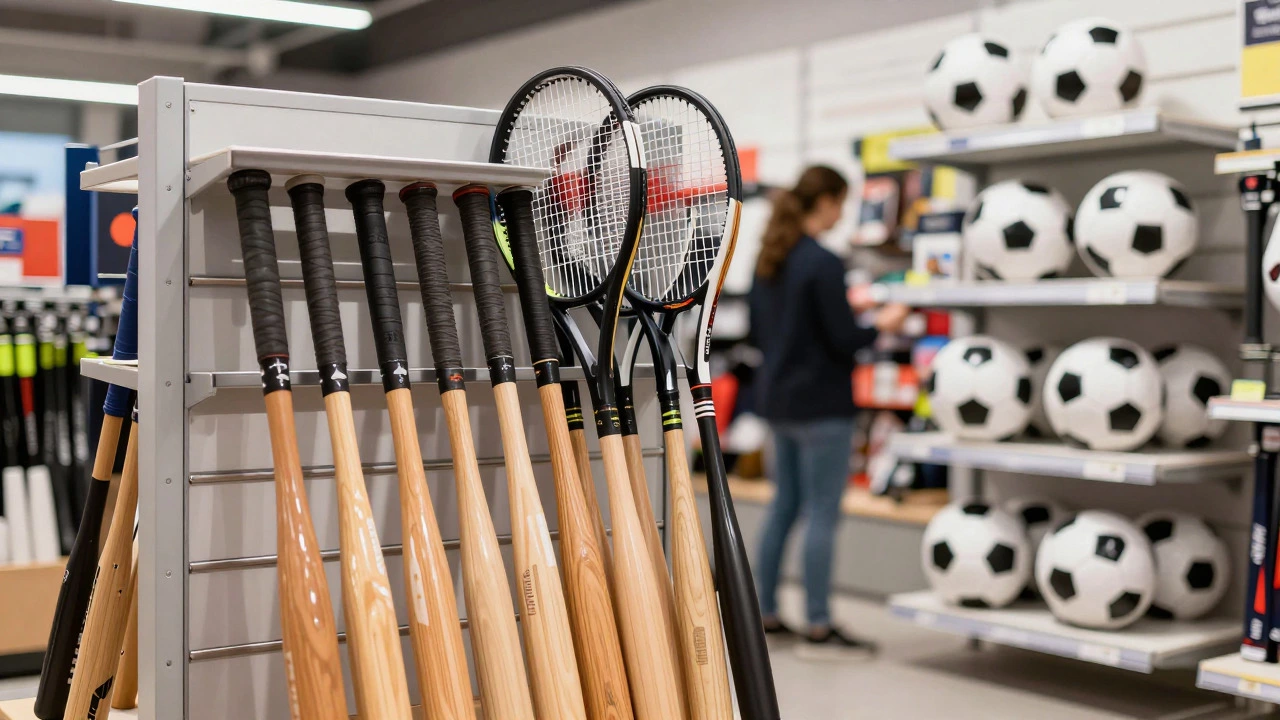
Ever stood in a sporting goods store feeling completely lost? You know you need the right sports equipment, but the difference between a $50 ball and a $200 one isn't always clear. It’s not just about looking cool; it’s about whether your gear helps you perform better or holds you back. Understanding what actually constitutes equipment in games can save you money, prevent injuries, and make your experience on the field or court significantly more enjoyable.
This guide breaks down the core components of sports gear, explaining why specific items matter for different activities. We’ll look at the basics, the high-tech additions, and how to choose what fits your level of play. Whether you’re a weekend warrior or someone taking their hobby seriously, knowing the function behind the gear is the first step to getting the most out of every session.
The Core Categories of Game Gear
When we talk about equipment in games, we usually divide it into three main buckets: primary tools, protective gear, and apparel. Each serves a distinct purpose, and mixing them up can lead to poor performance or even injury.
- Primary Tools are the objects you interact with directly to play the sport. This includes things like a baseball bat, tennis racket, or soccer ball. These items define the mechanics of the game.
- Protective Gear is designed to keep you safe from impact, friction, or environmental factors. Examples include helmets, shin guards, and mouthguards.
- Apparel & Footwear refers to the clothing and shoes specifically engineered for movement. Think cleats, compression shirts, and moisture-wicking shorts.
The distinction matters because primary tools require regular replacement due to wear and tear, while protective gear needs to meet specific safety standards. For instance, a helmet that doesn’t fit properly offers little protection, whereas a worn-out tennis string bed simply makes hitting harder. Recognizing these categories helps you budget correctly. You don’t need top-tier protective gear if you’re just starting out, but you do need functional primary tools to learn the basic skills.
Why Specific Gear Matters for Performance
It’s easy to think any old pair of sneakers will do for running or playing basketball. In reality, footwear is one of the most critical pieces of sports equipment because it connects your body to the ground. The wrong shoe can cause blisters, knee pain, or ankle sprains. The right shoe provides stability, cushioning, and traction tailored to the surface you’re playing on.
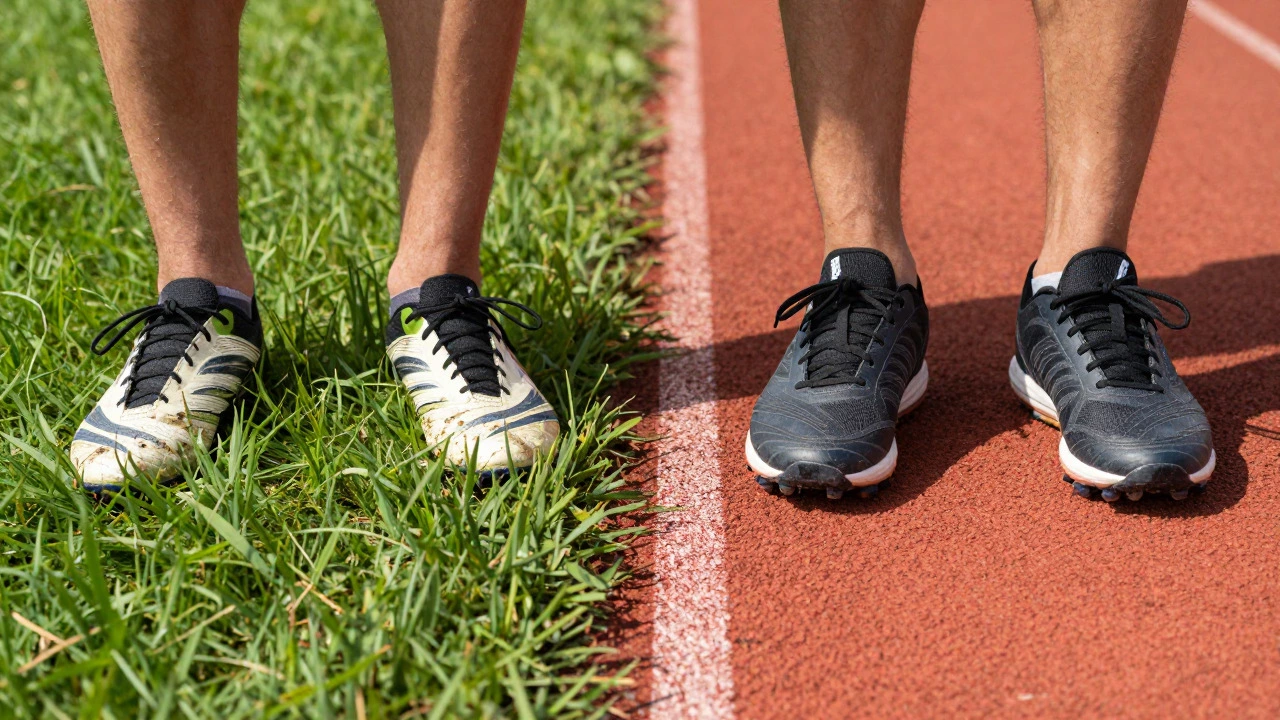
Consider the difference between a soccer cleat and a running shoe. Cleats have studs to grip the grass, allowing for sharp turns without slipping. Running shoes have softer soles for shock absorption over long distances. Using cleats on a hard track can damage the surface and your joints, while using running shoes on a muddy pitch will leave you sliding everywhere. This specificity extends to rackets and bats as well. A heavier baseball bat might offer more power but reduces swing speed, while a lighter bat allows for quicker reaction times. Finding the balance that suits your strength and style is part of mastering the game.
Safety Standards and Protective Equipment
If you’ve ever watched professional rugby or American football, you’ve seen players wearing thick pads and helmets. This isn’t just for show. Protective gear must often meet strict safety certifications to be used in organized leagues. For example, hockey helmets typically need to pass drop tests to ensure they can withstand impacts at various speeds.
For casual players, the temptation is to skip this gear to save money or avoid the bulk. However, minor injuries can become major issues if left unchecked. A simple mouthguard can prevent chipped teeth and jaw fractures during contact sports. Shin guards protect against kicks and accidental collisions in soccer. Investing in certified protective equipment is often cheaper than paying for medical bills later. Always check for labels from recognized testing bodies before buying expensive gear, especially for children who are still growing and developing coordination.
Maintenance: Extending the Life of Your Gear
Buying new equipment is only half the battle. Keeping it in good condition ensures it performs when you need it most. Different types of gear require different care routines.
- Clean After Use: Mud, sweat, and dirt can degrade materials. Wipe down rackets, clean mud off cleats, and rinse balls after outdoor use.
- Proper Storage: Store rackets in cases to protect strings. Keep helmets ventilated to prevent mold. Avoid leaving gear in hot cars, as heat can warp plastics and weaken adhesives.
- Regular Inspection: Check laces, straps, and stitching regularly. A loose strap on a shin guard can shift during play, reducing protection. Frayed strings on a racket lose tension, affecting control.
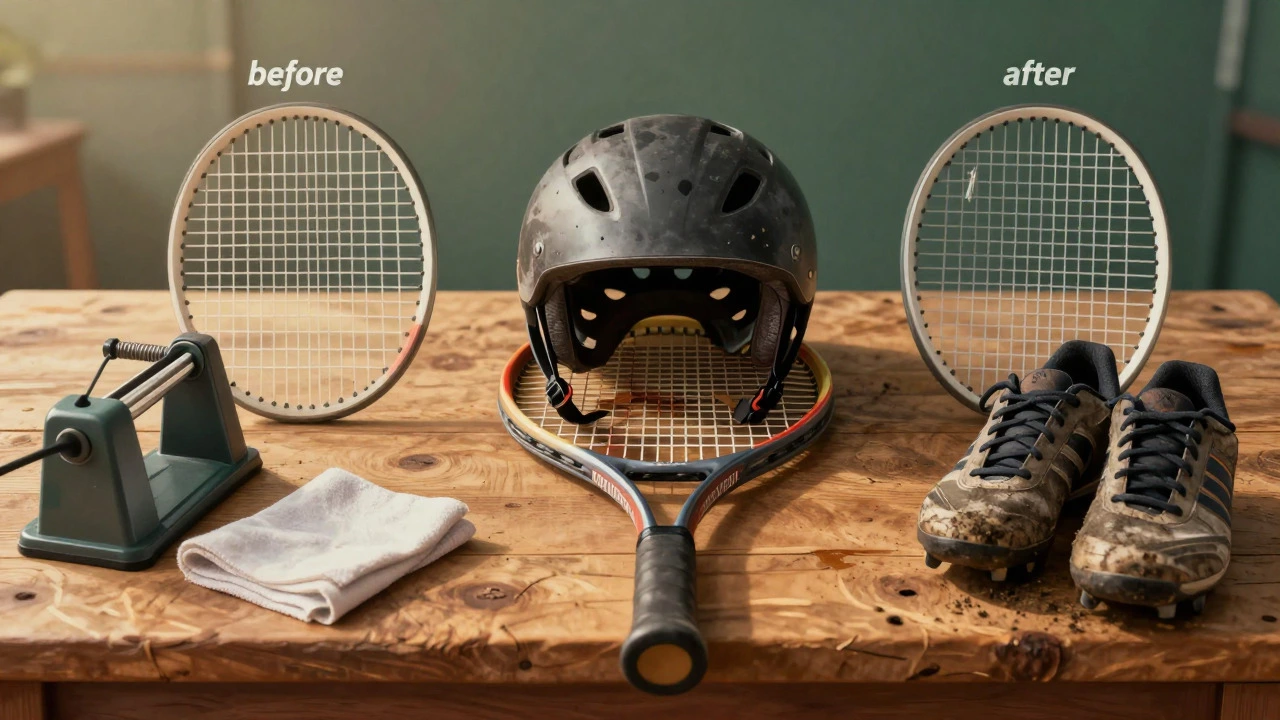
Simple habits like these can double the lifespan of your favorite items. It also keeps your gear hygienic, which is crucial for shared equipment in team settings. If you notice significant wear, don’t hesitate to replace parts rather than the whole item. Re-stringing a tennis racket is far cheaper than buying a new one, and replacing the sole of a boot can extend its usability by months.
Choosing the Right Gear for Your Level
One of the biggest mistakes beginners make is buying pro-level equipment immediately. While it feels exciting to own the same gear as your favorite athlete, it might not be suitable for your current skill set. Pro gear is often optimized for specific techniques that take years to develop. For a beginner, a mid-range piece of equipment is usually more forgiving and easier to handle.
As you improve, you’ll start to feel limitations in your gear. Maybe your current bike feels too heavy for climbing hills, or your golf club lacks the precision you now possess. That’s the signal to upgrade. But wait until you understand *why* you need the upgrade. Do you need more power? Better control? Durability? Knowing your goal helps you filter through marketing hype and find the specific features that will actually help you progress.
| Feature | Entry-Level Gear | Pro-Grade Gear |
|---|---|---|
| Price Range | $50 - $150 | $300 - $1,000+ |
| Material Quality | Durable synthetics, standard metals | Carbon fiber, titanium, premium leather |
| Customization | Limited (size/color) | High (weight, stiffness, fit adjustments) |
| Best For | Beginners, casual recreational play | Competitive athletes, serious hobbyists |
| Lifespan | 1-2 years with heavy use | 3-5+ years with proper care |
Common Mistakes to Avoid When Buying Gear
Marketing campaigns are designed to sell you fear or aspiration. They tell you that without the latest carbon-fiber racket, you won’t win. They suggest that cheap shoes will ruin your knees. While some of this is true, much of it is exaggerated. Here are a few traps to watch out for:
- Buying for Status: Don’t buy gear just because it looks impressive. Functionality should always come first.
- Ignoring Fit: The best technology in the world is useless if it doesn’t fit your body. Always try on footwear and protective gear before purchasing.
- Overlooking Compatibility: Make sure your accessories work with your primary tools. For example, certain grips only fit specific racket handles, and some shoe insoles are designed for particular lasts.
Take your time. Visit stores, read reviews from people with similar goals, and ask questions. A knowledgeable salesperson can save you hundreds of dollars by steering you away from unnecessary upgrades. Remember, the best equipment is the one that makes you want to get out there and play more often.
Frequently Asked Questions
Do I need professional-grade equipment to start playing?
No, you generally do not. Entry-level equipment is designed to be durable and forgiving, which is ideal for learning basic skills. Professional gear is often specialized for advanced techniques and may be harder to control for beginners. Start with mid-range options and upgrade as your skills and confidence grow.
How often should I replace my sports equipment?
It depends on usage and type. Footwear typically lasts 300-500 miles for running or shows visible wear on the sole. Rackets need re-stringing every 6-12 months for regular players. Protective gear should be replaced if it shows cracks, tears, or loses its shape. Regular inspection is key to determining when replacement is necessary.
Is expensive equipment always better?
Not necessarily. Expensive gear often uses lighter materials and offers more customization options, which benefit advanced players. However, for casual users, the performance difference between a $100 and a $400 item is often negligible. Focus on fit, comfort, and durability rather than just the price tag.
What is the most important piece of equipment for safety?
This varies by sport, but head protection is universally critical for contact sports like rugby, hockey, and cycling. Ensure your helmet meets current safety standards and fits snugly. Additionally, appropriate footwear prevents falls and slips, making it a foundational safety item for almost all activities.
How do I clean and maintain my gear properly?
Always follow manufacturer guidelines, but general rules apply: wipe down equipment after each use, let it air dry naturally (avoid direct heat), and store it in a cool, dry place. Clean synthetic materials with mild soap and water. Check for wear and tear regularly, addressing small issues before they become big problems.