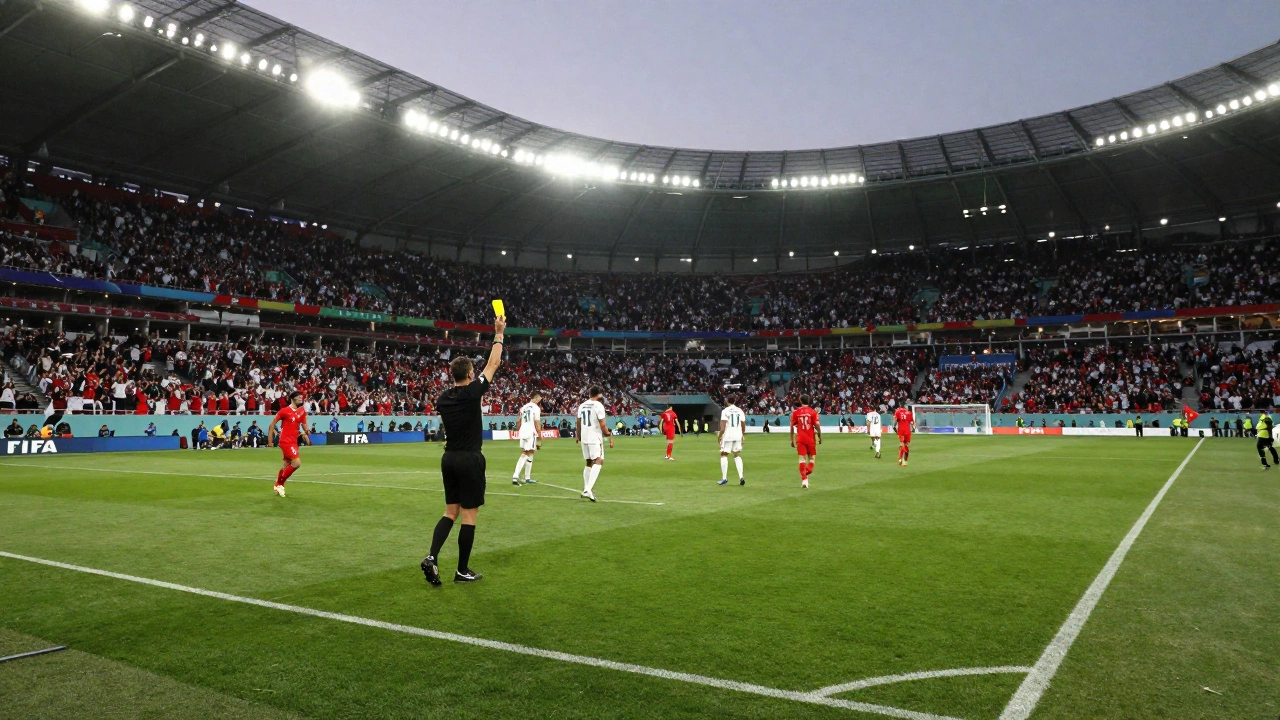
When you hear someone say "football match," you might think it’s just another way to say "soccer game." But there’s more to it than that. The way people refer to a football game depends on where you are, who you’re talking to, and even what century you’re living in. So what’s the real, official name? And why do some people say "game" while others say "match"?
Official Term: A Football Match
The formal, universally accepted term in football (soccer) is match. This isn’t just a casual word - it’s the term used by FIFA, UEFA, and every professional league around the world. If you open the official rulebook of football, it doesn’t say "game." It says "match."
For example, the Laws of the Game by FIFA state: "The match consists of two halves of 45 minutes each." That’s not a suggestion - it’s the law. Even in broadcast graphics, match schedules, and ticket systems, you’ll see "Match Day," "Match Report," or "Final Match."
Why "match"? Because football is a contest between two teams under a set of rules - a structured, timed, and regulated competition. The word "match" carries that weight. It implies organization, rules, officials, and a clear start and finish. A "match" has a referee, a scoreline, yellow cards, and extra time. A "game" can be anything - backyard kickaround, street football, or a pickup game at the park.
"Game" vs "Match": Why the Difference?
Here’s where things get messy. In the United States and Canada, people almost always say "soccer game." That’s because in those countries, "football" refers to American football - a completely different sport with its own rules, gear, and culture. So to avoid confusion, they call association football "soccer," and they call its contests "games."
In England, Brazil, Spain, Nigeria, and most of the world, "football" is the sport, and "match" is how you refer to the event. If you say "I went to the game" in London, someone might think you mean rugby or American football. But if you say "I went to the match," everyone knows you mean soccer.
It’s not just about language - it’s about identity. Saying "football match" signals you understand the sport’s global culture. Saying "soccer game" signals you’re from North America or adapting to that local usage.
Historical Roots: Where Did "Match" Come From?
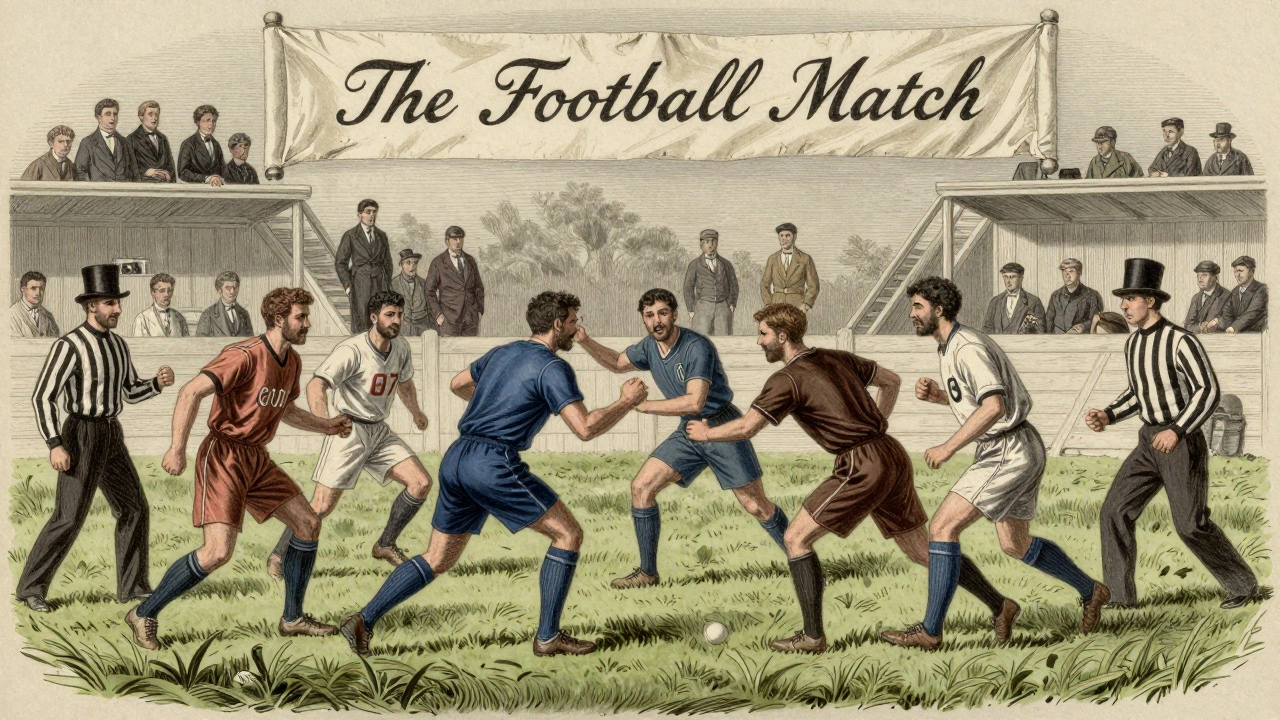
The word "match" in sports dates back to the 16th century. Originally, it meant a contest between two people or teams - often in games like tennis or archery. By the 1800s, as organized football clubs formed in England, "match" became the standard term for organized football contests.
The Football Association (FA), founded in 1863, used "match" in its first official rules. That set the tone. When football spread globally, British colonists, soldiers, and sailors brought the term with them. From Buenos Aires to Bangkok, "match" stuck.
"Game," on the other hand, is older and broader. It comes from Old English "gamen," meaning play or amusement. It doesn’t imply structure. You can have a "game" of tag, chess, or cards - no rules, no referees, no official time. That’s why "match" became the preferred term in football: it distinguishes serious, regulated play from casual play.
Common Phrases You’ll Hear
Even within "match"-using countries, people use different phrases depending on context. Here are the most common ones:
- Fixture - A scheduled match, especially in a league. "Our next fixture is against Liverpool." It’s the term used in calendars and schedules.
- Clash - A high-stakes or rivalry match. "The Manchester derby is always a fierce clash."
- Encounter - A formal, slightly old-fashioned term. "The two teams had a hard-fought encounter in the semifinal."
- Contest - Emphasizes competition. "It was a tough contest between the defending champions and the underdogs."
- Derby - A match between two local rivals. "The Madrid derby is one of the most intense in world football."
None of these replace "match" - they just add color. You’ll rarely hear "football game" in a news report from Spain or Italy. You’ll hear "partido" (Spanish) or "partita" (Italian), which both translate to "match."
What About International Tournaments?
At the World Cup, the Euros, or the Champions League, the word "match" is everywhere:
- "The final match of the tournament will be held in Riyadh."
- "Match officials confirmed the VAR decision after review."
- "Match schedule for Group B announced today."
Even in English-speaking countries outside North America, broadcasters use "match." ESPN UK says "Match of the Day." BBC Sport headlines read: "Liverpool win dramatic match against Arsenal."
In contrast, ESPN in the U.S. says "soccer game" - because that’s what their audience expects. But if you tune into a global feed, like beIN SPORTS or Sky Sports, you’ll hear "match" every time.
Why It Matters
Using the right term isn’t about being pedantic - it’s about clarity and respect. If you’re writing about football, talking to fans, or following the sport seriously, "match" is the accurate term. Using "game" might confuse people outside North America, or make you sound unfamiliar with the sport’s culture.
Think of it like this: You wouldn’t call a basketball game a "basketball match" - because in basketball, "game" is the standard. Each sport has its own linguistic tradition. Football’s tradition is "match."
And if you’re watching the World Cup in March 2026, and someone says "Let’s go to the game," you’ll know they’re probably from the U.S. or Canada. But if they say "Let’s go to the match," you’ll know they’re speaking the global language of football.
Quick Summary
- The official term for a football contest is a match.
- "Game" is commonly used in the U.S. and Canada, but it’s not the global standard.
- FIFA, UEFA, and all professional leagues use "match" in rules, schedules, and broadcasts.
- "Fixture," "derby," and "clash" are variations, but they all refer to a match.
- Using "match" shows you understand football’s global culture.
Is "football game" wrong?
Not exactly wrong - but it’s region-specific. In North America, "football game" is the normal way to refer to soccer. Everywhere else, it sounds odd or incorrect. In official contexts - like news, rulebooks, or broadcasts - "match" is always preferred. If you’re writing for a global audience, use "match." If you’re talking to friends in Texas, "game" works fine.
Do all countries say "match"?
Yes, in terms of official usage. Even countries that don’t speak English use their own word for "match" - like "partido" in Spanish, "match" in French (same spelling), "Spiel" in German, or "경기" (gyeonggi) in Korean. These all mean the same thing: a regulated, timed contest under football rules. The concept is universal; the word changes.
Can I say "soccer match"?
Yes, but it’s redundant. "Soccer" is already the North American term for football. Saying "soccer match" is like saying "football match" in the U.S. - it’s clear, but not necessary. Most people just say "soccer game." In other countries, saying "soccer match" might sound like you’re trying too hard to explain yourself.
Why do some people say "football game" even outside the U.S.?
Sometimes it’s because they’ve been exposed to American media, or they’re learning English from U.S. sources. It’s also common in casual conversation among younger fans who grew up watching NFL and NBA - where "game" is the norm. But in professional circles, even bilingual fans will switch to "match" when talking seriously about the sport.
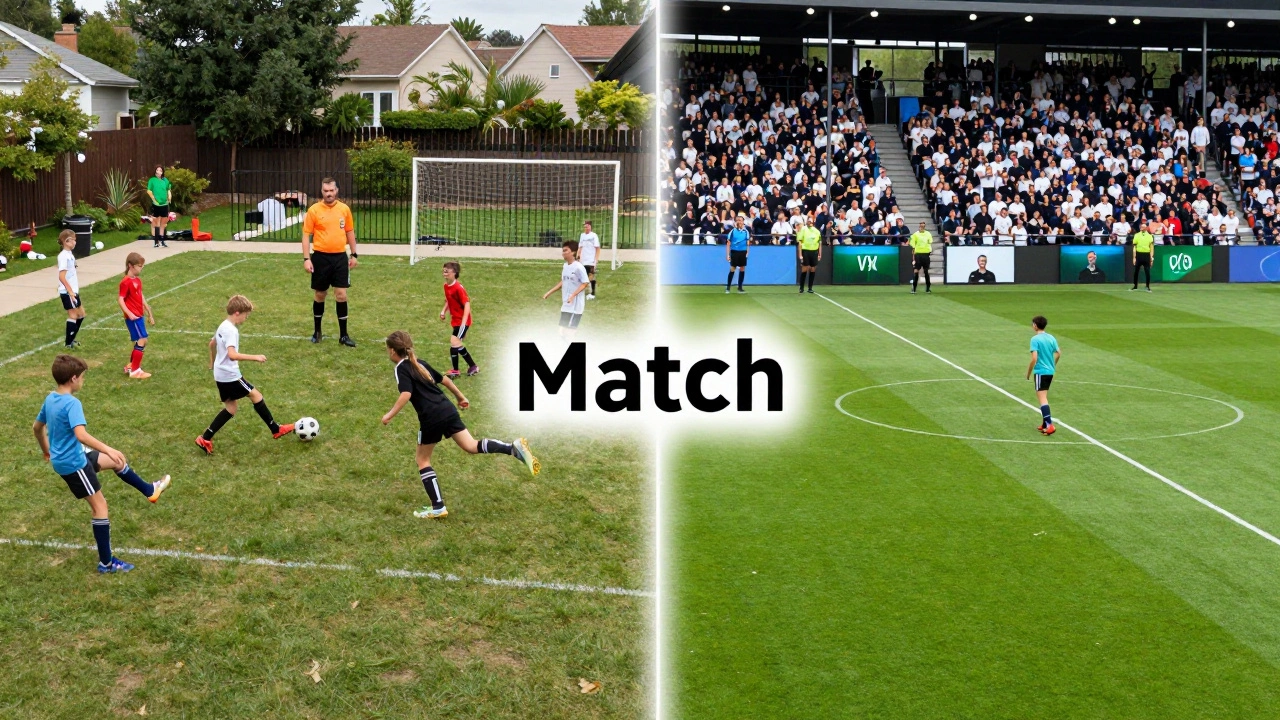
Does the term "match" apply to youth or amateur football?
Yes. Even in school leagues, community tournaments, or weekend pick-up games with referees, if it’s organized under football rules - it’s a match. The scale doesn’t change the term. A five-a-side game in the park is still a match if it has two teams, a referee, and a time limit. "Game" is reserved for unstructured play - like kicking a ball around with friends without keeping score.