Half Marathon Recovery Timeline Calculator
Recovery Assessment
Your Recovery Plan
Fluid Replenishment
Next 24 Hours
Drink 0 ounces of electrolyte water (1.5x fluid loss)
Nutrition Recommendations
Next 48 Hours
Consume 0g carbs within 30 minutes
Activity Guidelines
Next 48 Hours
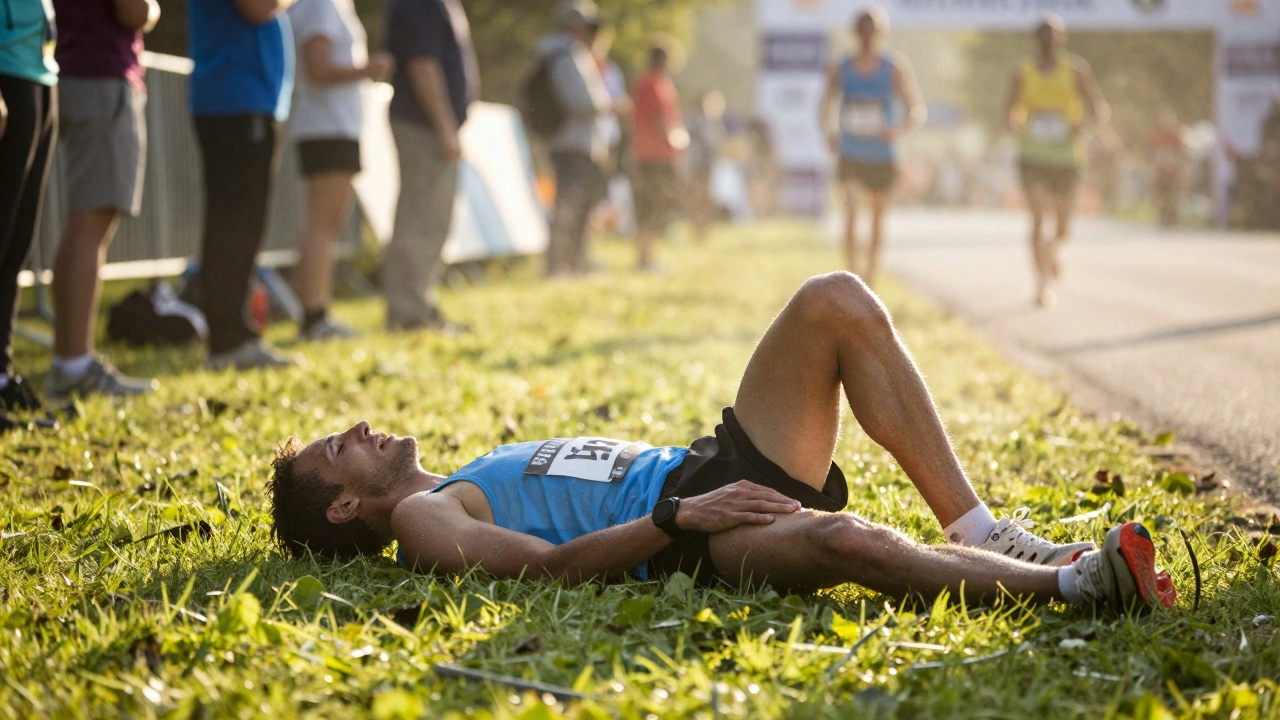
Finishing a half marathon is a huge win. But the real test starts the moment you cross the line. Your body doesn’t just shut off when the race ends-it goes into full repair mode. And what happens in the next 48 hours? That’s when the magic, and the mess, really begins.
Your muscles are in damage mode
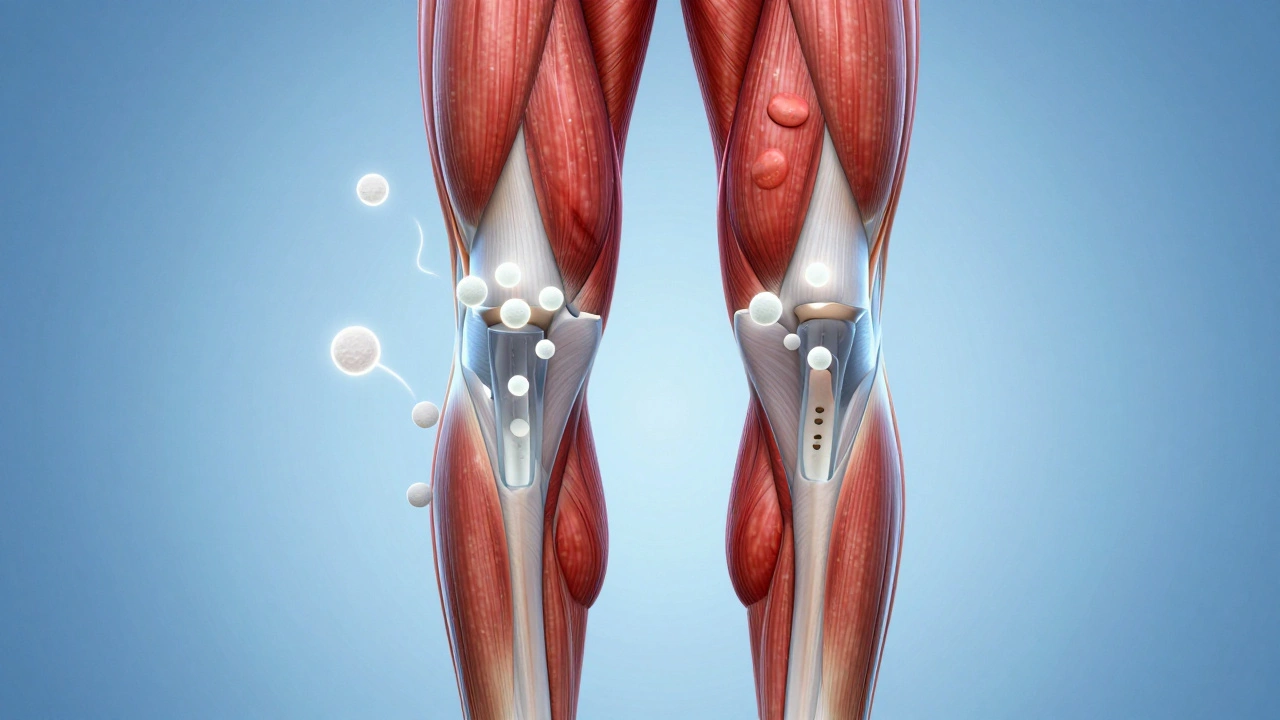
Those long miles? They didn’t just tire you out-they tore microscopic fibers in your leg muscles. This isn’t a bad thing. It’s how muscles get stronger. But right now, your quads, hamstrings, and calves are inflamed, swollen, and sore. You’ll feel it most 24 to 48 hours after the race. That’s delayed onset muscle soreness (DOMS) kicking in. It’s not just from lactic acid buildup-that myth got debunked years ago. It’s from actual structural damage. Think of it like tiny fractures in muscle tissue. Your body’s immune system rushes in with white blood cells to clean up the debris. That’s why your legs feel heavy, stiff, and achy. Walking down stairs? Forget about it. Standing up from a chair? You’ll groan.
Your glycogen stores are empty
Your muscles store carbs as glycogen. During a half marathon, you burn through nearly all of it. A typical runner uses 1,800 to 2,500 calories during the race. Most of that comes from glycogen. When it’s gone, your body switches to fat and even muscle protein for fuel. That’s why you feel wiped out, dizzy, or even nauseous after finishing. You’re not just tired-you’re running on fumes. Replenishing glycogen is critical. Eat carbs within 30 minutes of finishing. A banana, a bagel with peanut butter, or a sports recovery drink works. Do it again two hours later. Your body’s insulin sensitivity is highest right after exercise, which means it’s primed to absorb carbs and store them as glycogen. Skip this, and you’ll feel drained for days.
You’re dehydrated-worse than you think
You lose about 1 to 2 liters of fluid during a half marathon, mostly through sweat. But your body doesn’t just lose water. You also lose sodium, potassium, and magnesium. That’s why you might get muscle cramps, headaches, or feel lightheaded hours after the race. Thirst isn’t a reliable indicator. By the time you feel thirsty, you’re already dehydrated. Drink water, yes-but also include electrolytes. A pinch of salt in your water, a sports drink, or even a bowl of chicken soup can help. Aim for 1.5 times the fluid you lost. If you weighed yourself before and after the race, use that number. For every pound lost, drink 20-24 ounces of fluid. Don’t chug it all at once. Sip slowly over the next 24 hours.
Your immune system takes a hit
Here’s something most runners don’t talk about: your immune system drops after a hard race. Studies show that the number of white blood cells in your bloodstream drops sharply within hours of finishing. This creates a 3- to 72-hour window where you’re more vulnerable to colds and infections. That’s why so many runners get sick a few days after a race. You didn’t catch something from the crowd. Your body was too busy repairing muscle to fight off germs. The fix? Rest. Sleep. No extra workouts. No long walks. Just stay warm, eat nutrient-dense foods, and avoid crowds if you can. A 7-hour sleep isn’t enough. Shoot for 8 to 9 hours. Your body repairs itself mostly during deep sleep.
Your hormones go haywire
During the race, your body pumps out cortisol, adrenaline, and endorphins. Afterward, those levels crash. Cortisol, the stress hormone, stays elevated for up to 24 hours. That’s why you might feel anxious, irritable, or emotionally drained-even if you’re physically exhausted. Your testosterone and growth hormone levels also dip. These hormones help rebuild muscle. Without them, recovery slows. That’s why some runners feel emotionally flat after a race. It’s not in your head. It’s biology. Eat protein-rich meals. Include eggs, lean meat, Greek yogurt, or tofu. Protein gives your body the amino acids it needs to rebuild muscle and balance hormones. Try to get 20-30 grams of protein within 30 minutes of finishing, then again 4-6 hours later.
Swelling and inflammation are normal
It’s common to notice swelling in your ankles or feet 24 to 48 hours after the race. Your legs may feel puffy, tight, or even a little numb. That’s because your muscles are swollen from inflammation, and your lymphatic system is working overtime to clear out waste. Compression socks help. So does elevating your legs for 15 minutes a few times a day. Ice packs on your shins or calves can reduce swelling, but don’t overdo it-15 minutes at a time, once or twice a day. Avoid deep tissue massages in the first 48 hours. They can make inflammation worse. Light walking or gentle stretching is better. Just move slowly. Your goal isn’t to feel better now-it’s to heal properly so you can run again without injury.

What to avoid in the first 48 hours
- Don’t skip meals. Your body needs fuel to repair. Skipping food delays recovery.
- Don’t drink alcohol. Alcohol dehydrates you, suppresses muscle repair, and messes with sleep quality.
- Don’t try to run again. Even a light jog can cause more damage. Give your muscles at least 3 days off.
- Don’t ignore pain. Sharp, localized pain isn’t normal soreness. If you feel a stabbing sensation in your knee, ankle, or hip, see a physical therapist.
- Don’t sleep on the couch. Sleep on your back with a pillow under your knees. It reduces swelling and helps circulation.
What to do instead
- Move gently. Walk 10-15 minutes twice a day. It boosts blood flow without strain.
- Hydrate consistently. Sip water with electrolytes every hour for the first 24 hours.
- Eat clean. Focus on whole foods: sweet potatoes, berries, eggs, salmon, spinach, oats. Avoid processed sugar.
- Stretch lightly. Do yoga poses like child’s pose, seated forward fold, or reclined pigeon. Hold each for 30 seconds.
- Rest. Put your phone down. Watch a movie. Read. Let your nervous system reset.
When to expect full recovery
Most runners feel like themselves again by day 4 or 5. But full muscle repair takes 7 to 10 days. That’s why experts recommend waiting at least a week before doing any intense training again. If you’re planning your next race, wait 2 weeks. Use this time to focus on mobility work, foam rolling, and light swimming. Your body remembers what you put it through. Give it the time it needs, and it’ll come back stronger.