Fitness Nutrition Estimator
Enter your details to find out how much protein you need daily and discover which foods support your specific fitness goals.
Recommended Food Choices
Hydration Tip
Dehydration reduces performance by up to 20%. Aim for pale yellow urine. Drink extra water if exercising for more than an hour.
Enter your weight and goal to see personalized nutrition advice.
You hit the gym four times a week. You run your miles. You sweat through your shirt. Yet, when you look in the mirror or check your performance stats, things aren't moving as fast as you hoped. Here is the hard truth: nutrition is the fuel that determines whether your training builds muscle or just burns energy without lasting change. You cannot out-train a bad diet. If you want to get fit, you need to eat for fitness, not just for hunger.
Getting fit isn't about one magic superfood. It's about consistency and choosing foods that support your body's specific needs. Whether you are trying to shed fat, build lean muscle, or boost endurance, what goes on your plate matters more than most supplements ever will. Let's break down exactly what food makes you fit, based on how your body actually works.
Protein Is the Building Block of Fitness
If you ask any coach or trainer what the most important macronutrient for fitness is, they will likely say protein is a macronutrient composed of amino acids that repairs and builds muscle tissue after exercise. When you lift weights or do high-intensity interval training (HIIT), you create microscopic tears in your muscle fibers. Protein provides the raw materials to repair those tears, making them stronger and larger.
Most people underestimate how much protein they need. For general health, guidelines suggest 0.8 grams per kilogram of body weight. But if you are actively training to get fit, you should aim for 1.6 to 2.2 grams per kilogram. That means an 80kg person aiming for muscle gain might need up to 176 grams of protein daily.
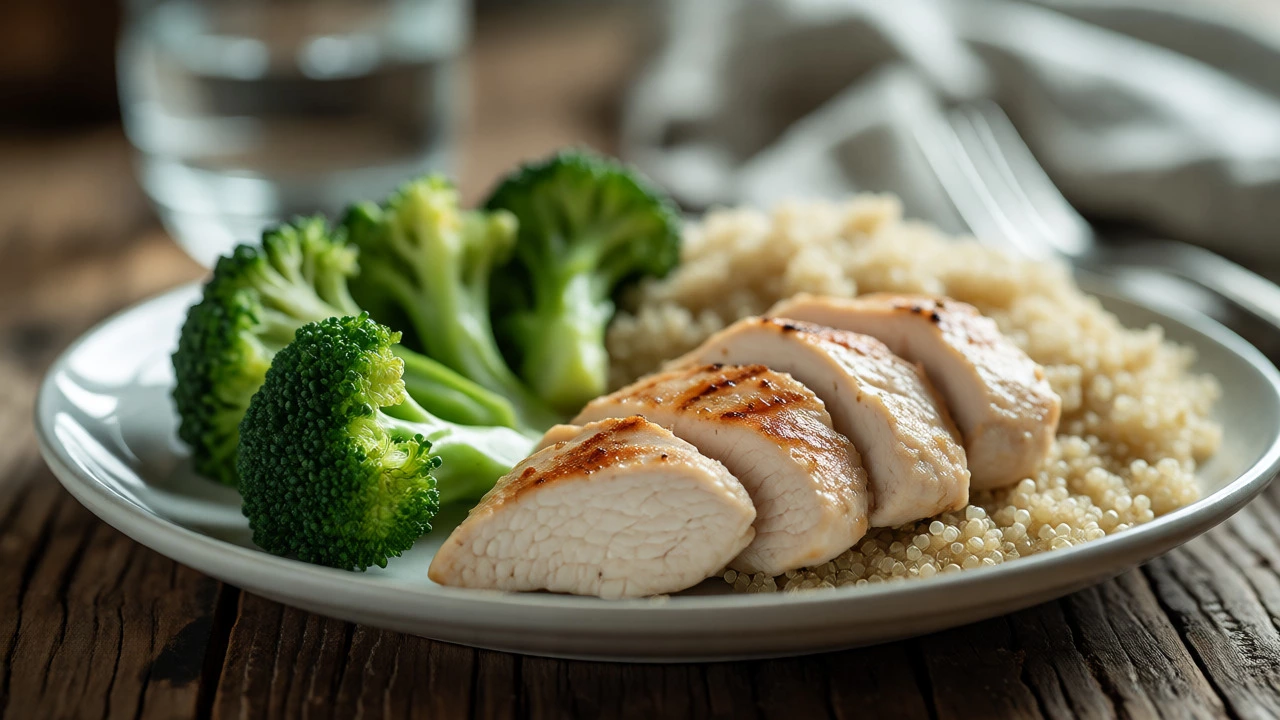
- Lean meats: Chicken breast, turkey, and lean beef provide complete proteins with all essential amino acids.
- Fatty fish: Salmon and mackerel offer protein plus omega-3 fatty acids, which reduce inflammation.
- Eggs: Often called nature's multivitamin, eggs have a high biological value, meaning your body absorbs their protein efficiently.
- Plant-based options: Lentils, chickpeas, and tofu are great for vegetarians, though you may need to combine sources to get a full amino acid profile.
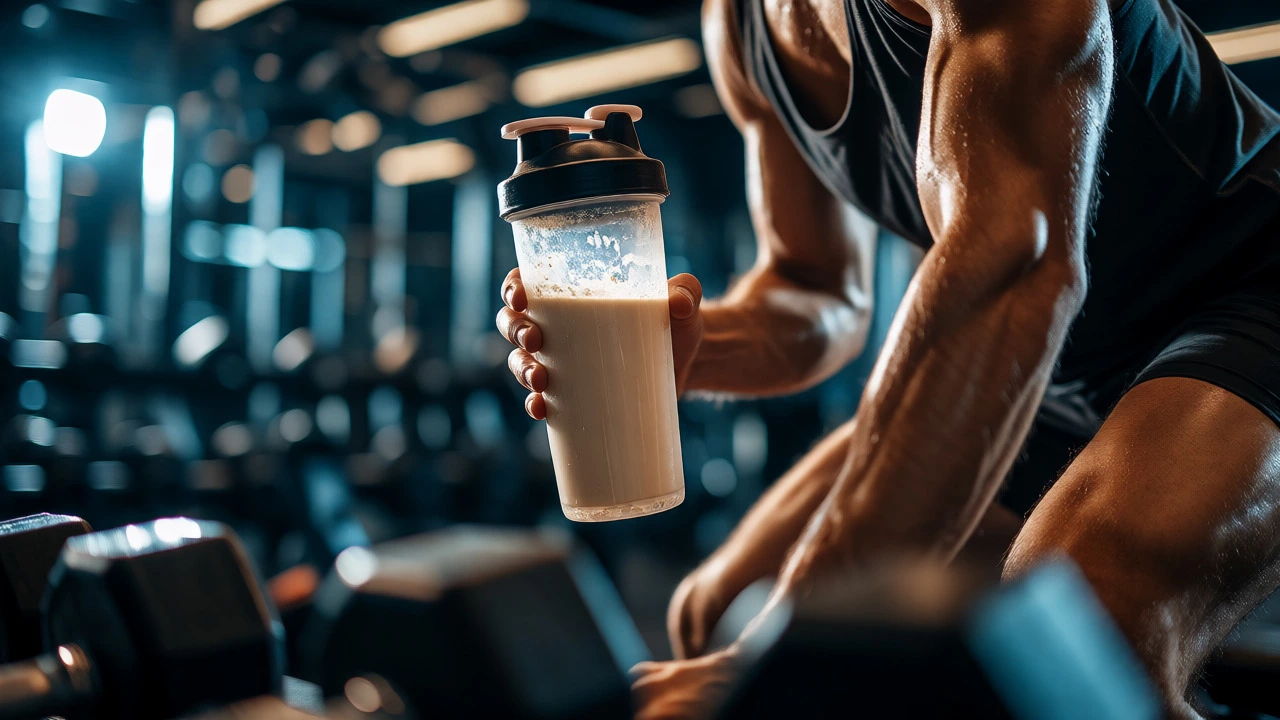
Timing matters too. Eating protein within two hours after a workout helps kickstart recovery. A simple whey shake or a chicken salad can make a real difference in how quickly you bounce back for the next session.
Carbohydrates Fuel Your Performance
For years, low-carb diets dominated the fitness scene. While cutting carbs can help with short-term weight loss, it often leaves you feeling flat during intense workouts. Carbohydrates are the body's preferred source of energy, broken down into glucose to fuel muscles and the brain. If you cut them too drastically, your glycogen stores deplete, and your performance drops.
The key is choosing the right types. Not all carbs are created equal. You want complex carbohydrates that release energy slowly, rather than simple sugars that cause a crash.
| Food Type | Glycemic Index (GI) | Best Time to Eat | Why It Helps |
|---|---|---|---|
| Oats | Low-Medium | Breakfast | Sustained energy for morning runs |
| White Rice | High | Post-workout | Rapid glycogen replenishment |
| Sweet Potatoes | Medium | Lunch/Dinner | Vitamins and steady fuel |
| Bananas | Medium-High | Pre-workout | Quick energy and potassium |
Notice the timing. Eating high-GI foods like white rice immediately after a hard session helps shuttle nutrients into your muscles faster. At other times, stick to lower-GI options like oats, quinoa, or whole grains to keep your blood sugar stable.
Fats Are Essential for Hormonal Health
Many people fear fat because they think eating fat makes you fat. This is a myth. Dietary fat does not directly translate to body fat unless you are in a massive calorie surplus. In fact, dietary fats are essential lipids required for hormone production, cell growth, and nutrient absorption.
Your hormones, including testosterone and estrogen, rely on cholesterol and fats to function correctly. If you starve yourself of fat, your energy levels drop, your mood suffers, and your recovery slows down. Focus on unsaturated fats.
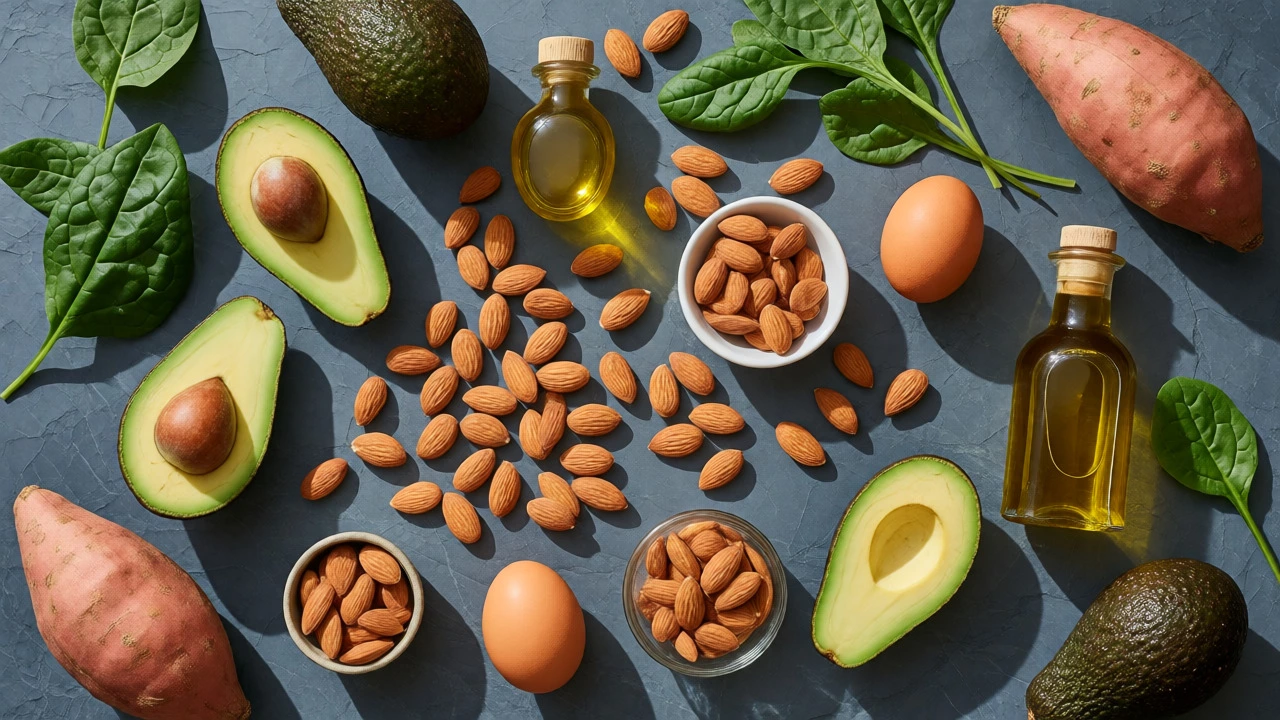
- Avocados: Loaded with monounsaturated fats and fiber, keeping you full longer.
- Nuts and Seeds: Almonds, walnuts, and chia seeds provide healthy fats and magnesium, which helps prevent cramps.
- Olive Oil: Use extra virgin olive oil for cooking or dressing salads. It is rich in antioxidants.
Avoid trans fats found in processed snacks and fried foods. These increase inflammation, which hinders your ability to recover from training. Keep fat intake moderate-around 20-35% of your total calories-and prioritize quality over quantity.
Micronutrients and Hydration: The Invisible Helpers
Macros (protein, carbs, fat) give you energy and structure. Micronutrients (vitamins and minerals) make sure everything runs smoothly. You don't need fancy pills if you eat a variety of colorful vegetables. Micronutrients are vitamins and minerals that regulate metabolic processes and support immune function.
Iron is critical for oxygen transport. If you feel tired easily, you might be low on iron. Spinach, red meat, and fortified cereals are good sources. Magnesium helps with muscle relaxation and sleep. Dark chocolate, bananas, and leafy greens are packed with it.
Then there is water. Dehydration reduces physical performance by up to 20%. You don't need sports drinks unless you are exercising for more than an hour in hot conditions. Plain water is usually enough. Monitor your urine color; pale yellow means you are hydrated. Dark yellow means drink more.
Whole Foods vs. Processed Junk
The simplest rule for getting fit? Eat food that looks like it came from a plant or an animal, not a factory. Whole foods are unprocessed or minimally processed foods that retain their natural nutritional integrity. They are dense in nutrients and high in fiber, which keeps you satisfied.
Processed foods, on the other hand, are engineered to be hyper-palatable. They hit your brain's reward centers harder than natural foods, leading to overeating. A bag of chips has no satiety factor compared to a bowl of air-popped popcorn or a handful of almonds. When you switch to whole foods, your cravings naturally decrease because your body gets the nutrients it was screaming for.
This doesn't mean you can never have a burger or a slice of pizza. It means those shouldn't be your staples. Think of processed foods as occasional treats, not daily fuel.
Practical Tips for Everyday Fitness Eating
Knowing what to eat is half the battle. Actually doing it consistently is the other half. Here are some practical strategies that work for busy people in Melbourne or anywhere else.
- Prep ahead: Spend two hours on Sunday prepping meals. Cook a big batch of chicken, rice, and veggies. Portion them out. When you come home tired, you grab a container instead of ordering takeout.
- Read labels: Ignore the marketing on the front. Look at the ingredient list on the back. If sugar is in the top three ingredients, put it back.
- Snack smart: Keep Greek yogurt, fruit, or nuts handy. Unplanned snacking is where diets fail.
- Listen to your body: Some days you need more carbs because you trained hard. Other days you need less. Adjust portions based on activity level.
Remember, fitness is a marathon, not a sprint. You don't need perfection. You need consistency. If you eat well 80% of the time, you will see results. The remaining 20% allows for life's social events without guilt.
Do I need to eat every three hours to stay fit?
No, this is a myth. Meal frequency does not significantly impact metabolism or fat loss. What matters is your total daily calorie and nutrient intake. Choose a schedule that fits your lifestyle and keeps you satiated.
Are supplements necessary for getting fit?
Supplements are not necessary but can be helpful. Whey protein is convenient if you struggle to eat enough solid protein. Creatine is one of the few supplements proven to improve strength and power. However, real food should always form the base of your diet.
Can I lose weight without counting calories?
Yes, many people successfully manage their weight by focusing on whole foods, portion control, and listening to hunger cues. However, tracking calories can be useful initially to understand how much you are actually eating and to fine-tune results if progress stalls.
Is fasting good for fitness?
Intermittent fasting can work for some people by simplifying meal timing and reducing overall calorie intake. However, it is not superior to traditional dieting for fat loss. Ensure you still meet your protein and micronutrient needs within your eating window.
How much water should I drink daily?
A common guideline is 2-3 liters for men and 1.5-2 liters for women, but individual needs vary based on activity level and climate. If you are sweating heavily during workouts, add extra electrolytes or water to replace losses.