New Zealand Rugby Knowledge Quiz
Loading question...
Quiz Completed!
You scored 0 out of 5
There is a common misconception that New Zealanders use a secret code word for their national sport. If you walk into a pub in Auckland or Wellington and ask what they call rugby, you won’t get a fancy local slang term like "the oval ball game" or "Māori football." They call it exactly what everyone else calls it: rugby.
However, while the name hasn't changed, the context has deepened. In New Zealand, rugby isn't just a pastime; it is a cultural institution woven into the fabric of daily life. When Kiwis talk about rugby, they are rarely talking about just the rules of the game. They are talking about identity, heritage, and a specific way of moving on the field that has dominated global sports for decades.
The Language of the Game: Local Slang and Terminology
While the sport itself retains its English name, the vocabulary surrounding it in New Zealand is distinct. You will hear terms that blend traditional rugby jargon with Māori language influences and unique Kiwi colloquialisms. Understanding these nuances helps you grasp why the sport feels so different there compared to Europe or North America.
In casual conversation, you might hear references to the "Black Caps," though this technically refers to cricket. For rugby, the focus is almost exclusively on the team names and positions. The forwards are often discussed in terms of their physical dominance, while the backs are praised for their "line speed" and "support play." But the most significant linguistic shift comes from the integration of Te Reo Māori (the Māori language) into the sporting lexicon.
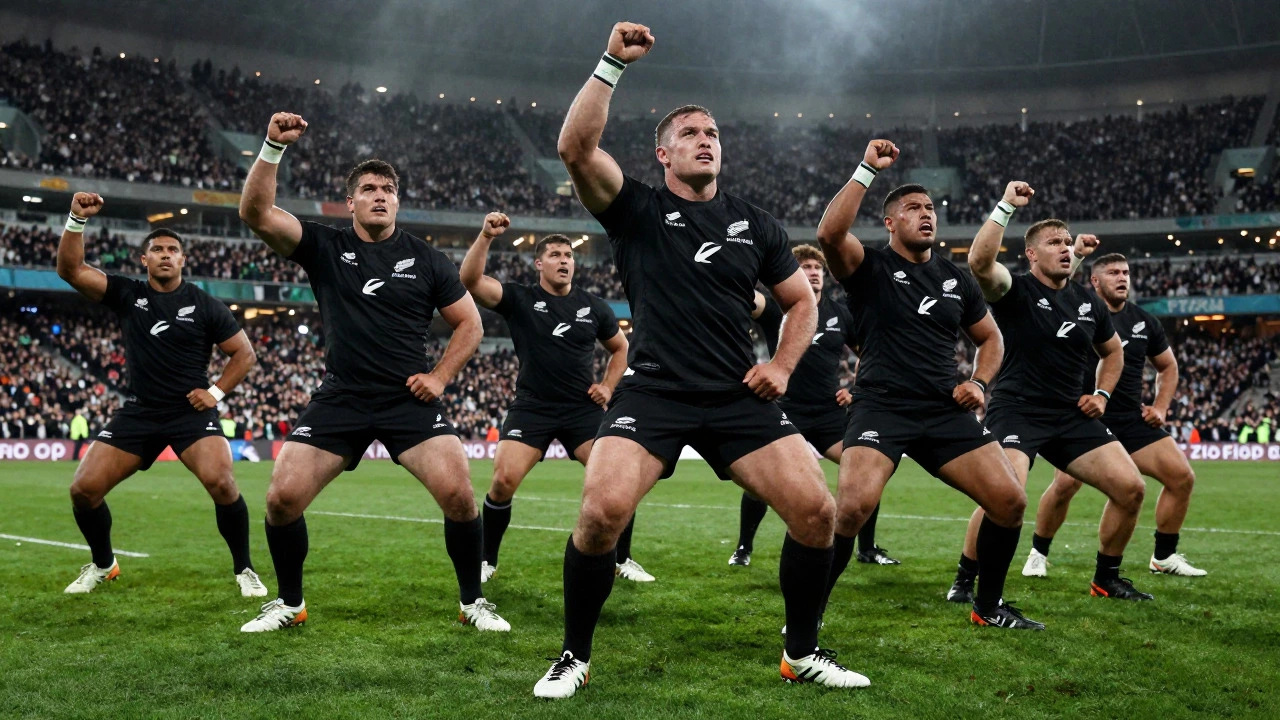
- Haka: This is not just a dance; it is a ceremonial challenge. Every fan knows the words to the "Ka Mate" haka performed by the All Blacks before every test match.
- Aroha: Often cited as a core value of the modern All Blacks brand, meaning love, compassion, and empathy.
- Kaitiakitanga: Guardianship. This concept is increasingly used to describe how players manage their bodies and their legacy within the team structure.
These aren't just decorative words. They represent a philosophical approach to the sport that prioritizes collective well-being over individual glory. When a New Zealander says, "We played with mana today," they mean the team played with authority, prestige, and spiritual power. It’s a layer of meaning that doesn't exist in the standard English commentary found in other rugby nations.
The All Blacks: More Than a Team Name
If you are looking for the specific entity that defines New Zealand rugby, it is the All Blacks, which is the national men's rugby union team of New Zealand. The nickname "All Blacks" comes from their iconic black jersey, shorts, and socks, first worn in 1905 during their tour of Britain and France.
The All Blacks are statistically the most successful international rugby team in history. As of 2026, they hold the record for the highest win percentage in international rugby. But their reputation extends beyond trophies. The brand is built on a set of values known as "The Standard." This philosophy emphasizes humility, teamwork, and leaving the environment better than you found it. Players are expected to clean the locker room after games, regardless of whether they won or lost.
| Attribute | Description | Impact on Game |
|---|---|---|
| Haka Tradition | Pre-match ritual involving chanting and movement | Psychological intimidation and team unity |
| Flanker Role | New Zealand excels at producing elite open-side flankers | Dominance in breakdown contests and turnover ball |
| Backline Fluidity | Emphasis on wide running and offloading | High scoring potential and defensive pressure |
| Community Ties | Players often remain connected to provincial clubs | Strong grassroots development pipeline |
The relationship between the All Blacks and the public is symbiotic. Fans don't just watch the team; they feel responsible for them. A loss is felt nationally, often leading to widespread media analysis and public discourse. This intense scrutiny creates a high-pressure environment that only the most mentally resilient athletes can survive.
Super Rugby Pacific: The Professional Stage
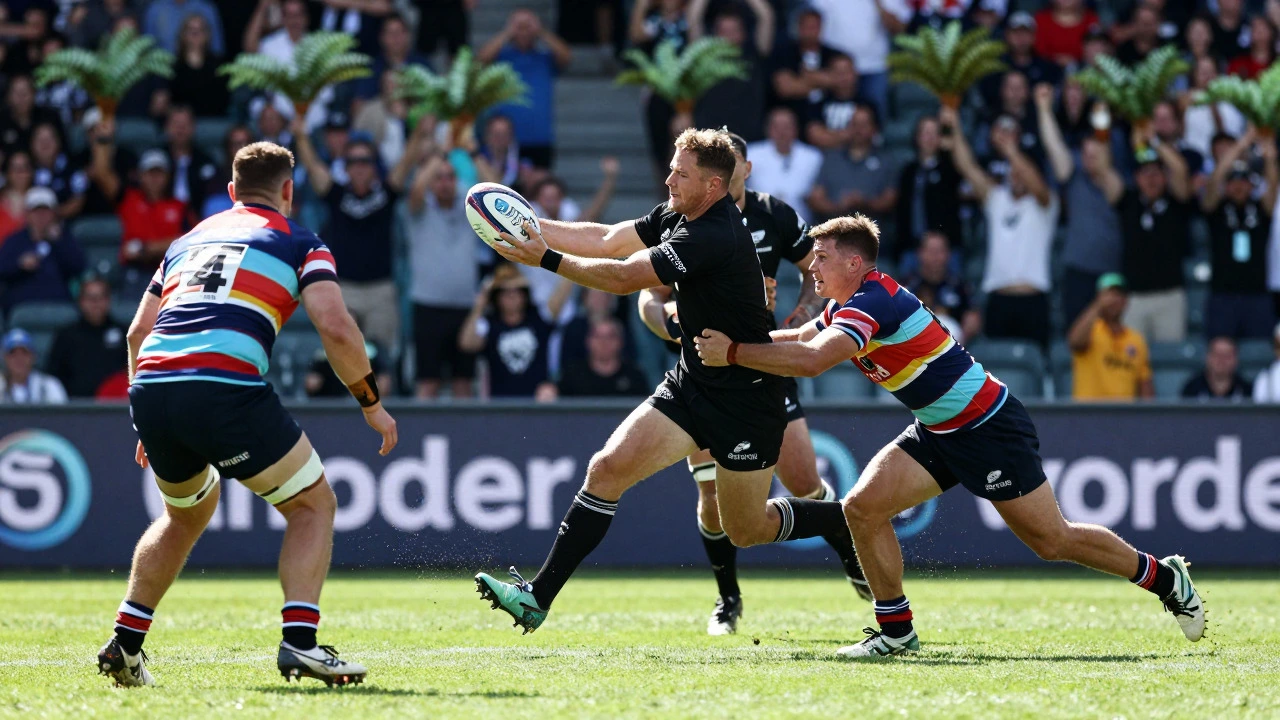
While the All Blacks represent the nation, the domestic professional competition provides the pathway. For years, New Zealand teams competed in Super Rugby alongside Australian and South African franchises. In 2022, the competition was restructured into Super Rugby Pacific, a professional rugby union competition featuring teams from New Zealand, Australia, and the Pacific Islands.
This restructuring was crucial for maintaining the competitiveness of New Zealand rugby. The five New Zealand franchises-Blues, Chiefs, Crusaders, Highlanders, and Hurricanes-now compete in a tighter regional format. This allows for more home games, deeper community engagement, and a clearer path for young players to reach the All Blacks squad.
The Crusaders, based in Christchurch, have been the dominant force in this era, winning multiple championships. Their success is attributed to a stable coaching structure and a recruitment model that identifies talent early from the Canterbury province. However, the gap between the top team and the rest of the league has narrowed, making each round of fixtures highly competitive.
The Role of Women's Rugby: The Black Ferns
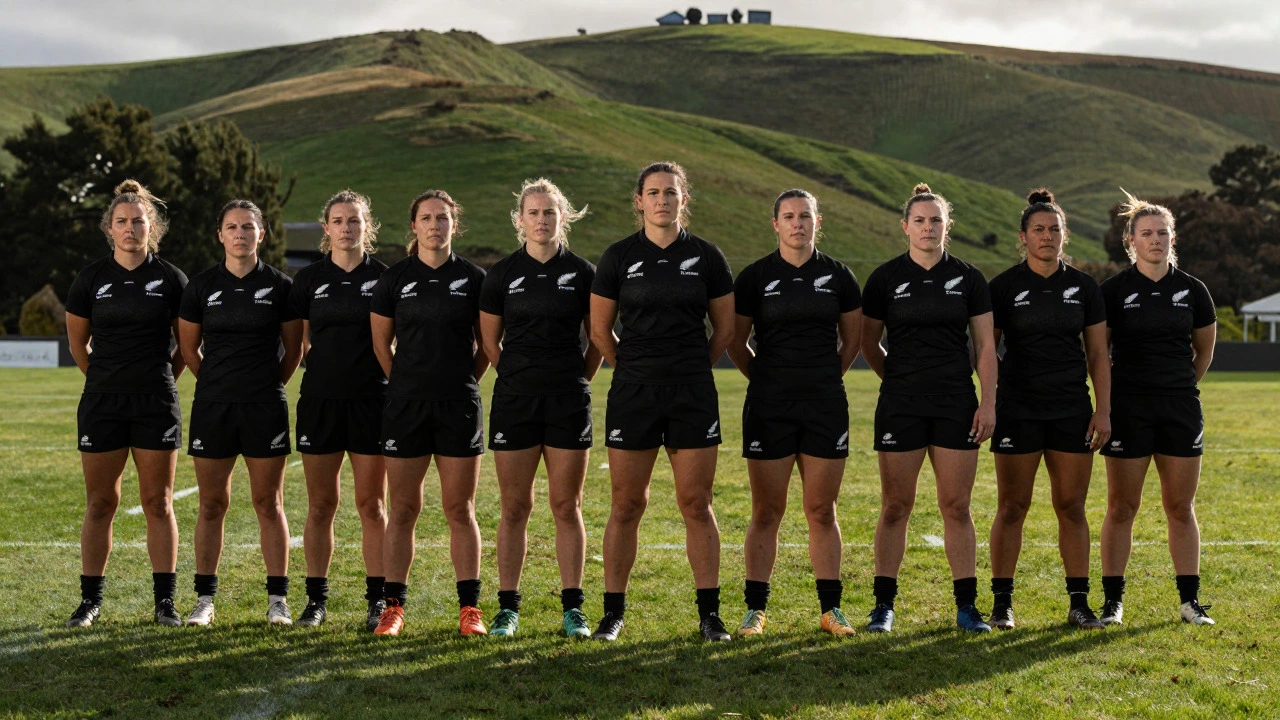
To understand New Zealand rugby fully, you must look beyond the men's game. The Black Ferns are the New Zealand women's national rugby union team, and they are arguably the most consistent force in women's international rugby.
The Black Ferns have won the Rugby World Cup Women's tournament multiple times, including back-to-back titles in recent years. Unlike many countries where women's rugby is an afterthought, New Zealand treats the Black Ferns with equal prestige. They perform their own haka, "Kapa o Pango," which is equally powerful and culturally significant.
The investment in women's rugby has increased significantly, with full professionalism introduced across the board. This shift has raised the level of play, attracting more sponsors and media coverage. For fans in Melbourne or anywhere else, watching the Black Ferns offers a glimpse into the future of the sport: faster, more dynamic, and deeply rooted in cultural pride.
Rugby Fixtures and Fan Engagement in 2026
For those following the sport, keeping up with rugby fixtures is essential. In 2026, the calendar is packed with high-stakes matches. The annual Bledisloe Cup series against Australia remains a highlight, drawing millions of viewers across both countries. These matches are not just about points; they are about bragging rights and historical rivalry.
Fans typically track fixtures through official channels like the New Zealand Rugby Union website or streaming platforms such as Sky Sport NZ. The schedule usually includes:
- Mid-Year Tests: Matches against touring nations like England, Ireland, or South Africa.
- Bledisloe Cup: The three-test series against Australia.
- The Rugby Championship: A four-nation tournament including Argentina and South Africa.
- Super Rugby Pacific Season: Running from late winter to mid-summer.
Attending a match in New Zealand is a sensory experience. The atmosphere in stadiums like Eden Park in Auckland or Lancaster Park in Christchurch is electric. The roar of the crowd during the haka is deafening, and the connection between the fans and the players is palpable. Even if you don't speak the language fluently, the emotion translates universally.
Cultural Significance: Why It Matters
Rugby in New Zealand serves as a social glue. It brings together people from diverse backgrounds-Māori, Pākehā (European descent), Pasifika, and Asian communities. The sport provides a shared language and a common goal. Schools prioritize rugby from a young age, teaching discipline, teamwork, and resilience.
This cultural embedding explains why the name "rugby" suffices. There is no need for a special alias because the sport is already elevated to a status akin to religion in some cultures. It is part of the national identity. When New Zealanders say "rugby," they mean everything associated with their country's values: toughness, fairness, and respect.
As the sport evolves globally, with changes to laws and increasing commercialization, New Zealand remains a bastion of traditional rugby values. The focus on skill, fitness, and mental strength ensures that the All Blacks and Black Ferns continue to set the benchmark for excellence. For anyone interested in understanding the soul of the game, New Zealand is the place to start.
Do New Zealanders call rugby something else?
No, New Zealanders simply call it "rugby." While they have unique slang and integrate Māori terms like "Haka" and "Mana" into the culture, the sport itself retains its original English name.
What is the difference between the All Blacks and the Black Ferns?
The All Blacks are the New Zealand men's national rugby union team, while the Black Ferns are the women's national team. Both are world-class, but they compete in separate international competitions and have distinct histories and traditions.
What is the significance of the Haka in rugby?
The Haka is a traditional Māori war dance performed before matches to intimidate opponents and unite the team. It is a powerful symbol of cultural identity and psychological preparation, integral to the New Zealand rugby experience.
Which team dominates Super Rugby Pacific?
The Crusaders have historically been the most dominant team in Super Rugby Pacific, winning numerous championships. However, teams like the Blues and Chiefs are strong contenders, making the competition highly unpredictable in any given season.
How can I watch New Zealand rugby fixtures from abroad?
Depending on your location, you can watch via broadcasters like Sky Sport NZ, Stan Sport in Australia, or World Rugby TV. Streaming services often provide live coverage of major tests and Super Rugby Pacific matches.
Why is rugby so popular in New Zealand?
Rugby is deeply embedded in New Zealand's culture and identity. It is taught in schools, played in communities, and celebrated nationally. The success of the All Blacks and Black Ferns reinforces its status as the premier sport, fostering immense national pride.