Sports Gear Material Selector
Configure Your Needs
Material Name
Best Overall Match
Description goes here.
- Pros:
- Cons:
Other Suitable Options
| Material | Why It Fits | Cost |
|---|
Select your priorities and click "Analyze Materials" to see recommendations.
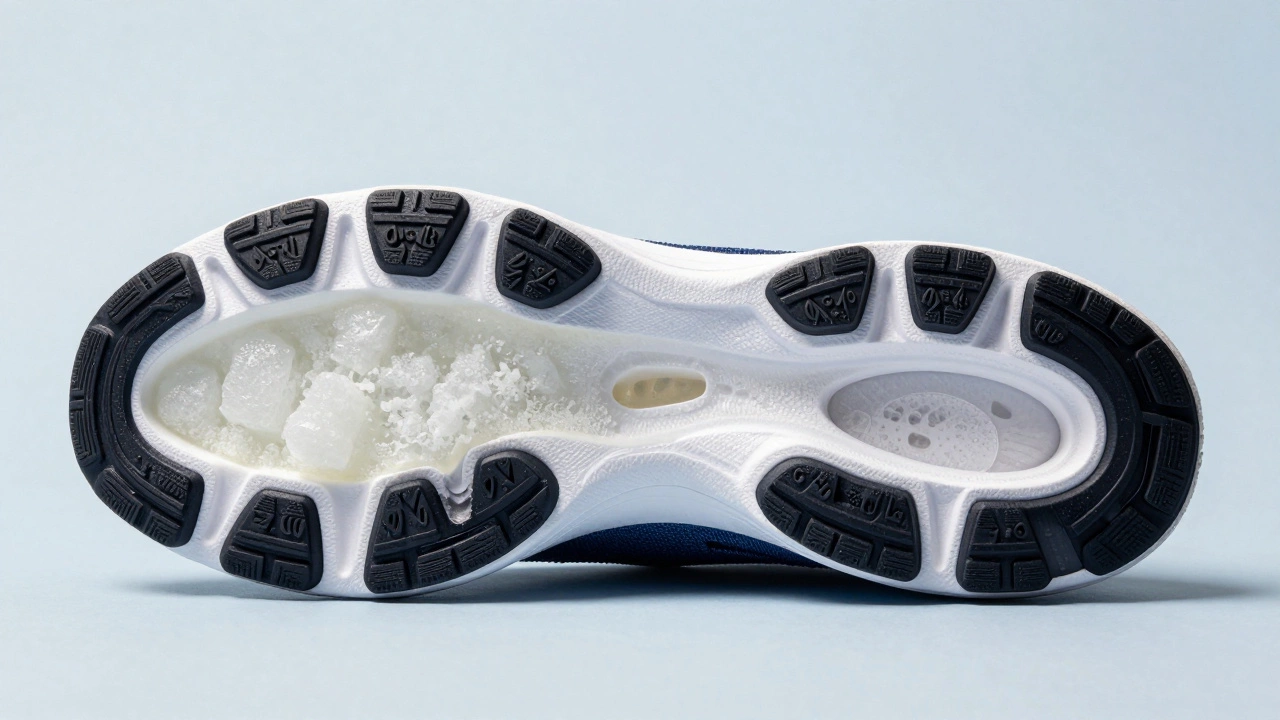
Ever picked up a tennis racket or laced into a pair of running shoes and wondered what’s actually inside that sleek shell? It’s not just plastic and glue. Modern sports equipment is a complex assembly of engineered polymers, metals, and composites designed for performance and durability. The question isn’t really “what chemical” is used-it’s “which combination of materials makes this gear work?” From the carbon fiber in your bike frame to the ethylene-vinyl acetate (EVA) foam in your sneaker sole, chemistry dictates how fast you run, how hard you hit, and whether your gear holds up after a season of abuse.
If you’ve ever heard rumors about toxic fumes from new gym mats or worried about microplastics shedding from yoga blocks, you’re right to be curious. But before we panic, let’s break down exactly what goes into these products. Most modern sports gear relies on a handful of key material families: thermoplastics, elastomers, composite resins, and metal alloys. Each serves a specific job-absorbing shock, providing stiffness, or resisting wear-and each has its own chemical profile.
The Backbone: Thermoplastics and Engineering Polymers
When you think of sports equipment, you probably picture rigid structures like hockey sticks, baseball bats, or ski poles. These are rarely made of wood anymore. Instead, manufacturers use thermoplastics, which are polymers that become moldable when heated and solidify upon cooling, allowing for mass production of lightweight, durable parts.
- Polypropylene (PP): You’ll find this in everything from cheap soccer balls to high-end helmet shells. It’s tough, flexible, and resistant to fatigue. If your bike pedal clicks loudly, it’s likely polypropylene.
- Polycarbonate (PC): This is the stuff of safety. Bike helmets, face guards, and shatter-resistant goggles rely on polycarbonate because it can absorb massive impact energy without cracking. It’s also transparent, making it ideal for visors.
- Acrylonitrile Butadiene Styrene (ABS): Think LEGO bricks, but stronger. ABS is used in skateboard decks, protective padding, and some golf club heads. It offers a great balance of impact resistance and ease of molding.
Why do manufacturers love these? They’re predictable. You can calculate exactly how much force they’ll take before failing. That predictability saves lives in contact sports and keeps your expensive gear from snapping mid-swing.
Flexibility and Grip: Elastomers and Synthetic Rubbers
Not everything in sports needs to be rigid. Your grip on a golf club, the tread on a basketball shoe, and the bounce of a volleyball all depend on elastomers, which are rubber-like materials that return to their original shape after stretching or compressing.
Natural rubber is still used in some premium tires and boxing gloves, but most modern gear uses synthetic alternatives for consistency and weather resistance.
- Thermoplastic Polyurethane (TPU): This is the gold standard for durability. TPU is used in skate wheels, surfboard fins, and even the outer layers of waterproof hiking boots. It resists abrasion better than natural rubber and doesn’t degrade quickly in UV light.
- Silicone Rubber: Found in high-temperature applications like grill tools or specialized gaskets in diving equipment. It’s inert, meaning it won’t react with sweat or cleaning chemicals.
- Nitrile Rubber: Often used in cycling grips and tool handles because it resists oils and greases. If you’re a mechanic who rides, nitrile grips won’t get slick when your hands are dirty.
The chemical structure of these elastomers allows them to stretch thousands of times without breaking. That elasticity is what gives your sneakers their “cushion” and your racket strings their snap.
Strength-to-Weight Ratio: Composite Materials
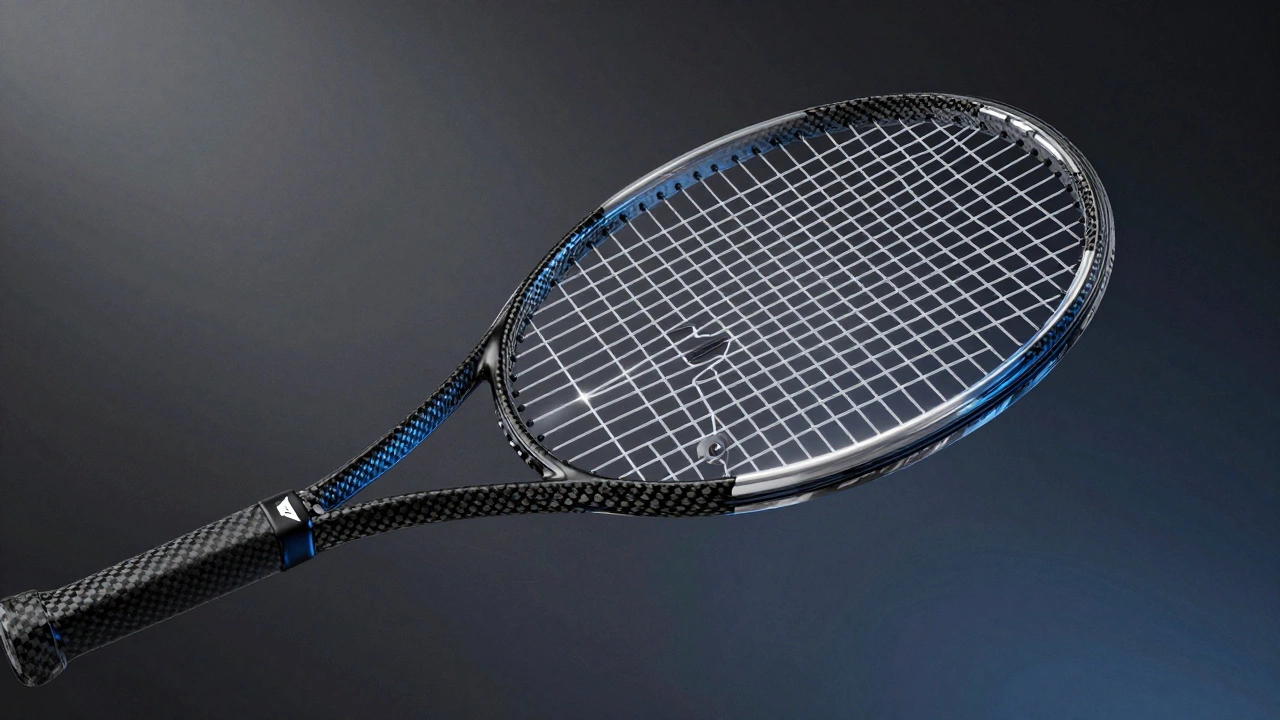
If you want speed, you need lightness. If you want power, you need stiffness. Carbon fiber reinforced polymer (CFRP) is a composite material made of thin carbon fibers embedded in a resin matrix, offering exceptional strength while remaining extremely lightweight. This is the secret sauce behind high-end road bikes, tennis rackets, and fishing rods.
But carbon fiber isn’t just carbon. It’s woven into a fabric and then soaked in a resin-usually epoxy-that hardens to lock the fibers in place. The ratio of fiber to resin determines the final properties. More fiber means stiffer and lighter; more resin means tougher and slightly heavier.
| Material | Primary Use | Key Benefit | Downside |
|---|---|---|---|
| Carbon Fiber | Road bikes, tennis rackets | Highest stiffness-to-weight ratio | Expensive, brittle under sharp impact |
| Glass Fiber | Ski poles, entry-level bikes | Cheaper, more flexible | Heavier than carbon |
| Kevlar (Aramid) | Climbing ropes, protective pads | High tensile strength, cut-resistant | Degrades in UV light, expensive |
Glass fiber is the budget-friendly cousin of carbon. It’s heavier but absorbs vibrations better, which is why many mountain bike frames use a mix of both. Kevlar, meanwhile, is almost exclusively used where cut resistance matters, like in rock climbing harnesses or motorcycle racing suits.
Metal Alloys: Still Relevant?
Yes, metals are still huge in sports equipment. But they’re rarely pure aluminum or steel. Manufacturers use metal alloys, which are mixtures of two or more elements, at least one of which is a metal, created to enhance strength, corrosion resistance, or weight properties.
- Aluminum 7000 Series: The standard for bicycle frames. It’s strong, relatively light, and easy to weld. Look for “7005” or “7075” on bike frames-that’s the alloy grade.
- Titanium: Used in high-end golf clubs and some bike frames. It’s nearly as light as aluminum but twice as strong and completely corrosion-proof. It also feels “lively” due to its low damping factor.
- Stainless Steel: Found in springs for suspension forks and some bowling ball cores. It’s heavy but incredibly durable and consistent over time.
Titanium is the luxury option here. It costs five times more than aluminum, but if you’re riding in saltwater environments or want a frame that lasts decades, it’s worth the investment.
Adhesives and Finishes: The Hidden Chemistry
You can have the best materials in the world, but if they don’t stick together, your gear falls apart. Adhesives are critical in sports equipment manufacturing. Most modern bonds use epoxy resins, which are thermosetting polymers that cure into a rigid, heat-resistant bond when mixed with a hardener.
Epoxy is used to laminate carbon fiber, glue wooden skis, and attach soles to running shoes. The curing process involves a chemical reaction that releases heat (exothermic), which must be controlled carefully to avoid weakening the bond.
Finishes matter too. The glossy coat on your bike frame isn’t just for looks. It’s usually a polyurethane clear coat that protects against UV degradation and scratches. Without it, the underlying paint would fade within a year.
Safety Concerns: What Should You Worry About?
Here’s the good news: reputable sports brands follow strict regulations regarding hazardous substances. In the EU, REACH regulations limit the use of certain chemicals like phthalates (plasticizers) and heavy metals. In the US, CPSC guidelines ensure children’s sports gear is free from lead and small choking hazards.
That said, there are a few areas where caution helps:
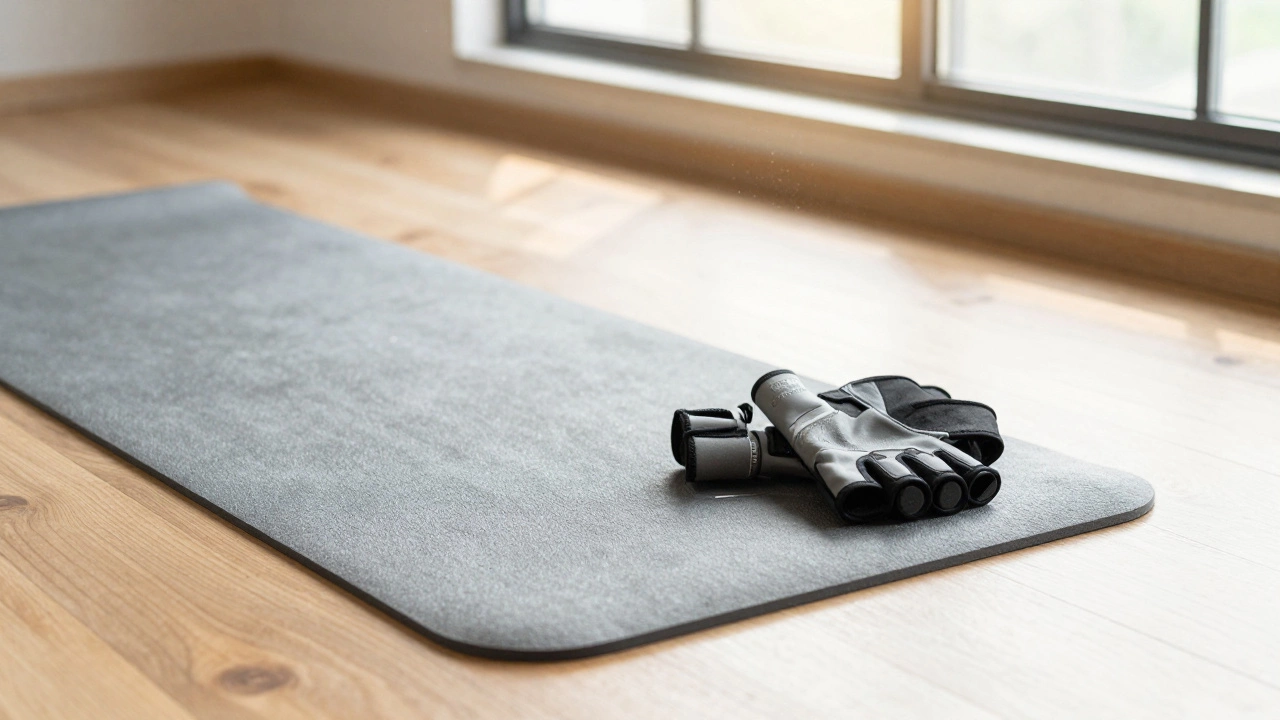
- New Gear Odor: That “new car smell” in fresh gym mats or yoga blocks often comes from volatile organic compounds (VOCs) off-gassing from foam and adhesives. Ventilate new gear for 24-48 hours before intensive use.
- Microplastics: Synthetic fabrics like polyester and nylon shed microfibers during washing. While this is an environmental issue rather than a direct health risk, using a Guppyfriend bag or similar filter can reduce shedding.
- Allergies: Some people are sensitive to latex (natural rubber) or certain dyes. If you develop skin irritation after using new gloves or straps, check the material label for “latex-free” or “hypoallergenic” options.
Don’t worry about BPA in your water bottle unless it’s old-school polycarbonate. Most modern bottles use Tritan or stainless steel, which are BPA-free. And no, your carbon fiber bike frame isn’t going to leach toxins into your bloodstream-it’s chemically inert once cured.
How to Choose Gear Based on Materials
Understanding the chemistry behind your equipment helps you make smarter buying decisions. Here’s a quick guide:
- For Durability: Look for TPU coatings, aluminum 7000 series, and polycarbonate shells. These materials resist wear and tear.
- For Weight Savings: Prioritize carbon fiber and titanium. Be prepared to pay a premium.
- For Comfort: Seek out EVA foam midsoles, memory foam padding, and silicone grips. These materials conform to your body over time.
- For Weather Resistance: Choose gear with sealed seams, neoprene insulation, and UV-stabilized plastics.
Always read the product specifications. Brands that care about performance will list the exact materials used. If a listing just says “high-quality plastic,” keep looking. Specificity indicates transparency and engineering intent.
Are the chemicals in sports equipment safe for children?
Yes, provided the gear meets current safety standards. Reputable manufacturers comply with regulations like ASTM F963 (US) or EN71 (EU), which restrict harmful substances like lead, phthalates, and formaldehyde. Always buy from certified brands and inspect new gear for strong odors, which may indicate excessive VOC off-gassing.
Does carbon fiber contain toxic chemicals?
Once cured, carbon fiber composites are chemically inert and safe. The epoxy resin used during manufacturing can release irritants if inhaled in large quantities during production, but finished products pose no health risk. Avoid sanding or grinding carbon fiber parts without proper respiratory protection, as the dust can be irritating.
Why does my new sports gear smell so strong?
The odor typically comes from volatile organic compounds (VOCs) released by adhesives, foams, and plasticizers as they fully cure. This is normal for new items. Allow the gear to air out in a well-ventilated area for 1-2 days before regular use. If the smell persists or causes headaches, consider returning the item.
Is titanium safer than aluminum for sports equipment?
Both are safe. Titanium is biocompatible and corrosion-resistant, making it excellent for implants and long-lasting gear. Aluminum forms a protective oxide layer that prevents rust. Neither metal leaches harmful substances under normal use conditions. Choice depends more on performance needs (weight vs. cost) than safety.
Can I recycle my old sports equipment?
Recycling options vary by material. Pure aluminum and steel frames are easily recyclable. Carbon fiber and composite materials are harder to recycle due to the resin binding, though some specialized programs exist. Rubber soles and synthetic fabrics may be accepted by textile recycling initiatives. Check local facilities for specific acceptance policies.