Every year, millions of athletes-professional and weekend warriors alike-end up sidelined not because they weren’t good enough, but because they didn’t have the right gear. You can train harder, run faster, lift heavier, but if your equipment doesn’t protect you, you’re playing Russian roulette with your body. The truth is, most injuries aren’t bad luck. They’re preventable. And the right sports equipment isn’t optional-it’s your first line of defense.
Head Protection: Don’t Risk Your Brain
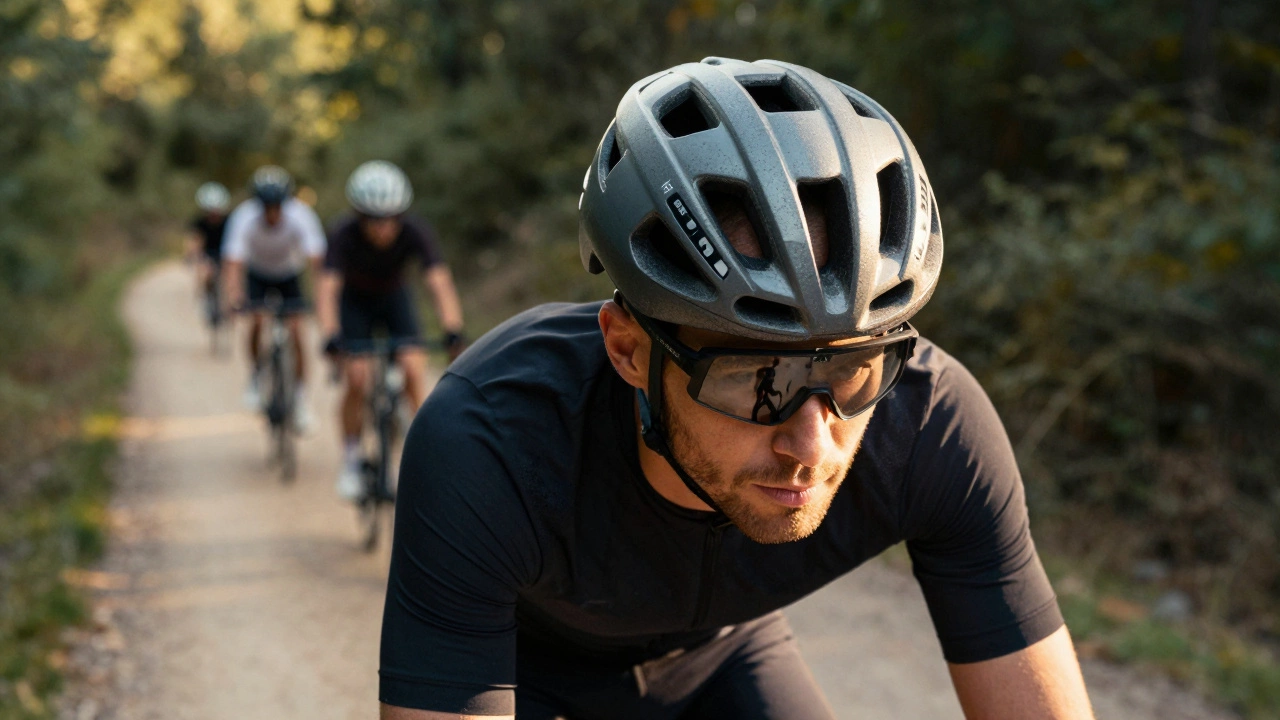
Concussions don’t just happen in football. They happen in cycling, skateboarding, hockey, even horseback riding. A helmet isn’t just a piece of plastic-it’s a calibrated shock absorber. Modern helmets use multi-layer foam systems like MIPS (Multi-directional Impact Protection System), which reduces rotational forces that cause brain trauma. Look for helmets certified by CPSC (Consumer Product Safety Commission) or ASTM. For cycling, a helmet that fits snugly and sits level on your head is non-negotiable. A helmet that wobbles when you shake your head won’t protect you when you hit the pavement.
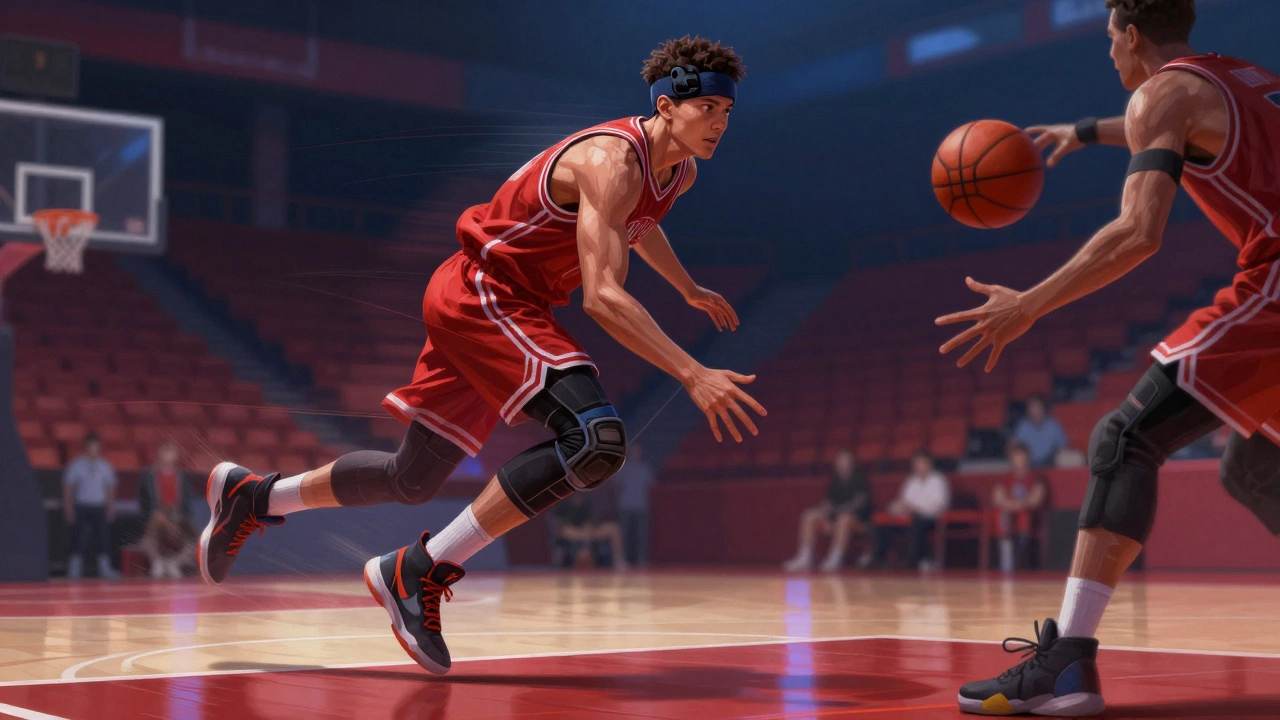
Even in sports like soccer or basketball, where headgear isn’t mandatory, concussion-resistant headbands are gaining traction. A 2024 study in the Journal of Athletic Training showed athletes who wore padded headbands during high-contact drills had 37% fewer reported head impacts. That’s not a gimmick-it’s data.
Footwear: The Foundation of Every Movement
Your shoes are your connection to the ground. Get them wrong, and you’re setting yourself up for plantar fasciitis, shin splints, ACL tears, or stress fractures. The right shoe isn’t about brand or color-it’s about matching your foot type and sport.
Runners with overpronation need stability shoes with medial posts. Those with high arches need cushioned, flexible soles. Basketball players need ankle support and lateral stability-hence why many pros wear high-top shoes or use ankle braces. A 2025 biomechanics review found that athletes wearing sport-specific footwear reduced ankle sprain risk by 42% compared to generic athletic shoes.
Replace your shoes every 300-500 miles for runners, or every 6 months for court sports. Worn-out soles lose shock absorption. That’s not just discomfort-it’s injury waiting to happen.
Ankle and Knee Braces: Support, Not Restriction
Braces aren’t just for people recovering from injury. They’re preventive tools. Ankle braces with lace-up or semi-rigid designs reduce sprain risk by up to 60% in sports like volleyball and basketball, according to the American Orthopaedic Society for Sports Medicine. Knee braces, particularly hinged ones, help stabilize the joint during cutting motions in soccer, rugby, or tennis.
But here’s the catch: a brace that’s too tight or poorly fitted can cause more harm than good. It can restrict blood flow, alter your gait, or create muscle dependency. Always get fitted by a physical therapist or certified athletic trainer. And never use a brace as a substitute for strengthening exercises. The goal is to support, not replace, your natural stability.
Padding: More Than Just a Comfort Add-On
Shoulder pads in football? Essential. Shin guards in soccer? Mandatory. But padding isn’t just for contact sports. Cyclists wear padded shorts to reduce pressure on sensitive areas over long rides. Golfers use padded gloves to prevent blisters and improve grip control. Even runners benefit from moisture-wicking, seamless socks to prevent blisters and hot spots.
Modern padding uses advanced materials like D3O, a smart foam that stays soft until impact-then instantly hardens to absorb shock. It’s lighter, thinner, and more effective than old-school foam. You’ll find it in elbow pads for skateboarding, hip pads for hockey, and even in compression gear designed to reduce muscle vibration during high-impact activities.
Eye Protection: The Overlooked Shield
Every year, over 40,000 sports-related eye injuries happen in the U.S. alone. Most are preventable. Racquet sports like squash and tennis send balls flying at 100+ mph. A single impact can rupture the retina or fracture the eye socket. Polycarbonate lenses-used in safety goggles-are 10 times more impact-resistant than regular plastic.
Even in baseball or basketball, where eye protection isn’t required, players like NBA star Damian Lillard wear clear sports goggles. They don’t fog up, they don’t slip, and they’re designed to fit over prescription glasses. If you play any sport with a fast-moving object, eye protection isn’t a luxury-it’s a necessity.
Wrist and Hand Gear: Control and Protection
Wrist injuries are common in gymnastics, weightlifting, and even rock climbing. Wrist wraps and supports aren’t just for lifters with bad wrists-they’re for anyone doing repetitive overhead motions. A good wrist wrap stabilizes the joint without cutting off circulation. Weightlifters using them report 30% fewer wrist sprains in training logs.
For baseball or softball players, batting gloves reduce vibration and improve grip. Goalkeepers in soccer wear padded gloves with reinforced palms to absorb impact. Even in cycling, padded gloves reduce numbness and nerve damage from handlebar vibration. These aren’t accessories-they’re functional tools.
Compression Gear: More Than Just Looks
Compression sleeves and tights aren’t just for Instagram influencers. Studies show they improve blood flow, reduce muscle oscillation, and speed up recovery. For runners, compression socks lower the risk of shin splints. For basketball players, compression shorts reduce thigh muscle fatigue during long games.
The key is graduated compression-tightest at the extremities, looser toward the core. Look for gear with 15-25 mmHg pressure. Anything less won’t help. Anything more can restrict movement. And don’t buy compression gear based on color or brand-check the compression rating on the label.
Hydration and Cooling Gear: Preventing Heat-Related Collapses
Heat exhaustion isn’t just a summer problem. Indoor gyms, packed stadiums, and high-intensity training can raise core body temperature dangerously fast. Cooling vests, sweat-wicking fabrics, and electrolyte-infused hydration belts are now standard in elite training programs.
Wearable cooling vests with phase-change materials can lower skin temperature by 5-8°F for up to two hours. That might not sound like much, but in a 90°F gym, it’s the difference between finishing your workout and ending up in the ER. Hydration packs with built-in electrolyte compartments are essential for endurance athletes. Dehydration isn’t just about thirst-it’s about muscle cramps, dizziness, and cardiac strain.
What to Avoid: The Gear That Does More Harm Than Good
Not all gear is created equal. Some products are marketed as protective but offer no real benefit-or worse, increase risk.
- Generic ankle braces without fit adjustment: These can alter your natural movement and weaken stabilizing muscles over time.
- Overly stiff knee braces: If you can’t bend your knee past 90 degrees, it’s not helping-it’s hindering.
- Unregulated ‘magnetic’ or ‘energy’ bands: These have no scientific backing. Save your money.
- Old or damaged gear: A cracked helmet, torn padding, or frayed straps are worse than no gear at all.
Always check for certifications. Look for labels from ASTM, CE, or NOCSAE (National Operating Committee on Standards for Athletic Equipment). If it doesn’t say it’s tested, assume it’s not reliable.
Putting It All Together: A Simple Checklist
Before you step onto the field, court, or trail, ask yourself:
- Is my footwear matched to my sport and foot type?
- Do I have certified head protection if there’s any risk of impact?
- Are my joints supported with properly fitted braces or wraps?
- Is my padding appropriate for the level of contact or vibration?
- Do I have eye protection if a ball, racket, or equipment could strike my face?
- Am I hydrated and cooled enough for the environment?
- Is my gear in good condition-no cracks, tears, or loose straps?
If you answer yes to all of these, you’re not just playing-you’re playing smart.
Do I need sports equipment if I’m just a casual athlete?
Yes. Casual doesn’t mean low-risk. Most injuries happen to people who aren’t professionals-because they think they don’t need protection. A simple ankle sprain from a misstep on the trail can take weeks to heal. The right gear reduces that risk, no matter your skill level.
Can I use the same gear for multiple sports?
Sometimes, but rarely. A running shoe won’t give you the lateral support you need for basketball. A football helmet won’t protect you from racquetball impacts. Sport-specific gear is designed for the exact forces and movements of that activity. Using the wrong gear increases injury risk.
How often should I replace my sports equipment?
It depends. Helmets should be replaced after any significant impact, even if they look fine. Running shoes last 300-500 miles. Ankle braces and compression gear last 6-12 months with regular use. Always inspect gear before each use-cracks, fraying, or loss of elasticity mean it’s time to replace it.
Is expensive gear always better?
Not necessarily. You don’t need the most expensive helmet to be safe-just one that’s certified and fits properly. Look for certifications, not price tags. Many mid-range brands offer the same protection as top-tier ones, often with better comfort and fit.
Can I rely on stretching instead of protective gear?
Stretching improves flexibility and reduces muscle strains, but it doesn’t stop impacts, falls, or collisions. Protective gear and mobility work go hand in hand. One prevents trauma from outside forces; the other prevents overuse injuries. You need both.
If you’re serious about staying in the game, your gear isn’t just equipment-it’s insurance. Don’t wait for an injury to realize what you were missing.