
Functional Age Estimator
How Strong Are You For Your Age?
Based on research from the Journal of the American Medical Association and British Journal of Sports Medicine, strength training can significantly improve your functional age and independence.
People often ask, "Is it too late to start going to the gym?" Especially if they’re in their 40s, 50s, or even 60s. The truth? There’s no such thing as too late. Your body doesn’t care how old you are when you begin - it only cares that you show up.
You’re Not Too Old, You’re Just Late to the Party
I’ve seen people in their late 60s lift weights for the first time and surprise everyone - including themselves. One man I know started at 68 after his doctor told him his muscle mass had dropped to levels seen in people 20 years younger than him. He’s now stronger than his 40-year-old son. That’s not a fluke. It’s biology.
Research from the Journal of the American Medical Association shows that adults over 60 who start resistance training can gain up to 2.5 kilograms of muscle in just 12 weeks. That’s not just about looking better. It’s about staying independent. Getting out of a chair, climbing stairs, carrying groceries - these aren’t gym exercises. They’re survival skills. And strength training makes them possible.
Why People Think Age Is a Barrier
The myth that gym is for young people comes from ads. Billboards show 25-year-olds with six-packs. Social media feeds are full of teenagers doing handstand push-ups. It’s not wrong - it’s just misleading. The fitness industry sells youth because it’s easier to market. But real fitness? It’s about function, not fame.
Older adults often think:
- "I’ll get injured."
- "My joints are too worn out."
- "I’ve been sedentary for decades - what’s the point?"
All of these are understandable. But they’re also false.
Studies from the British Journal of Sports Medicine found that older adults who train with proper form have lower injury rates than younger people who skip warm-ups. Why? Because they move slower. They listen to their bodies. They ask questions. That’s not weakness - that’s wisdom.
What Happens When You Don’t Move
Let’s flip the question. What’s really dangerous? Not starting. Not lifting. Not walking.
After age 30, you naturally lose about 3-8% of your muscle mass every decade. By 70, that’s a 30% drop. That’s not aging. That’s disuse. Your muscles don’t vanish because you’re old. They vanish because you stopped using them.
And it’s not just muscle. Bone density drops. Balance fades. Heart efficiency declines. Your metabolism slows. All of this adds up to one thing: losing your freedom. The ability to live alone. To travel. To play with grandkids. To get up after a fall.
One study in Australia tracked 1,200 adults over 65 for five years. Those who did strength training twice a week were 40% less likely to need help with daily tasks. They were also 30% less likely to fall. That’s not fitness. That’s insurance.
How to Start - No Experience Needed
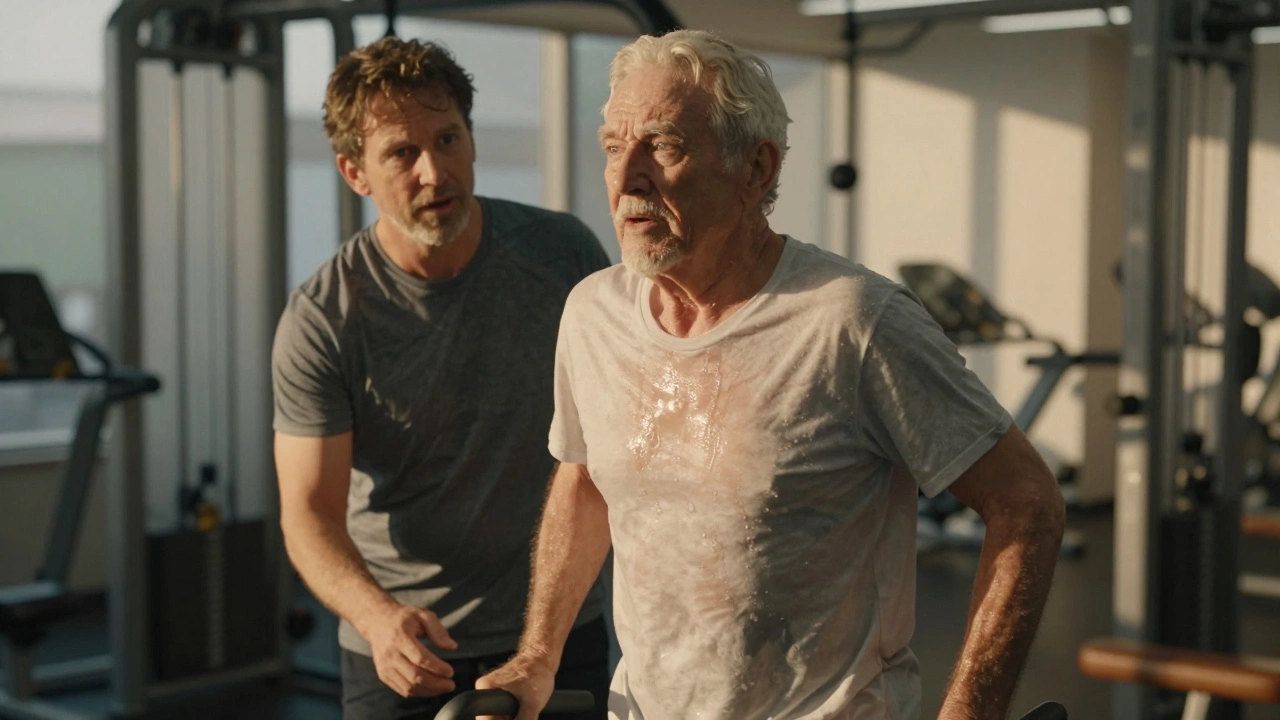
You don’t need a personal trainer. You don’t need a fancy machine. You don’t even need a gym. But if you’re going to one, here’s how to begin:
- Start with bodyweight exercises: squats, wall push-ups, seated marches. Do 2 sets of 10. That’s it.
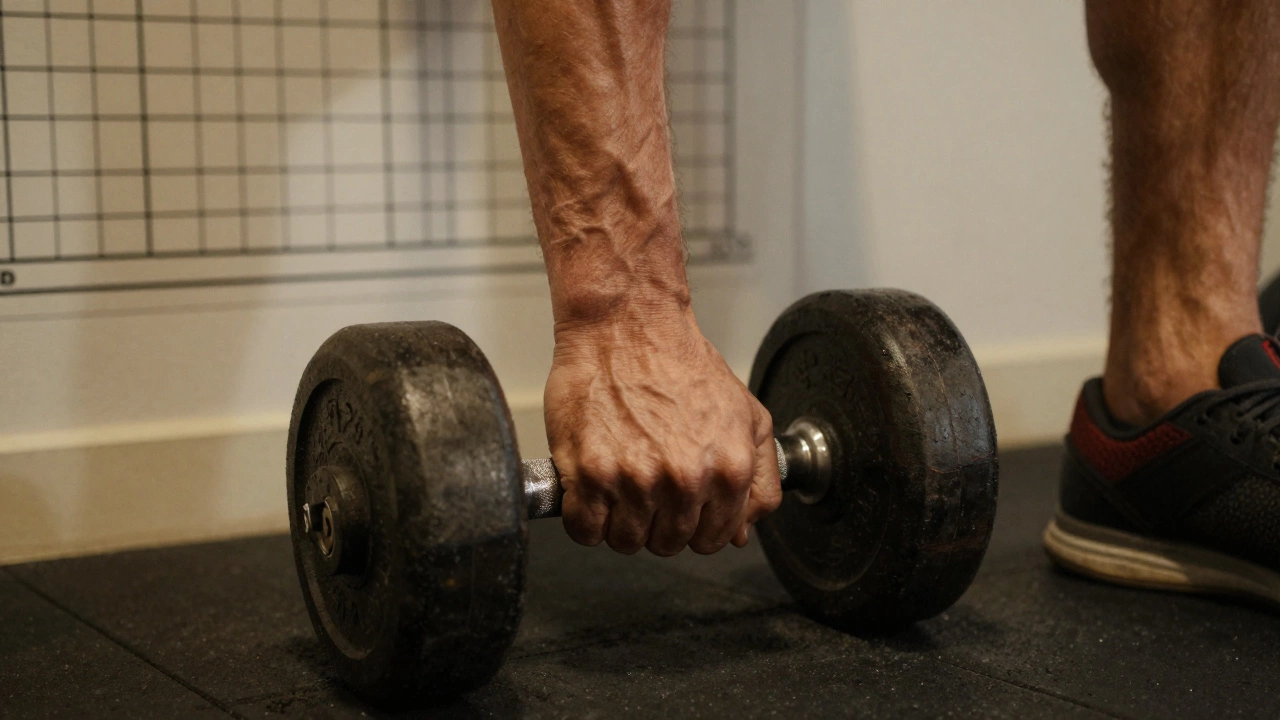
- Use light dumbbells - 1-2 kg at first. Focus on control, not weight.
- Go 2-3 times a week. Rest days are part of the plan.
- Ask the gym staff for help. Most will show you how to use machines. No judgment.
- Track progress by how you feel. Can you carry more groceries? Sleep better? Walk longer?
One woman I met at a Melbourne gym started at 72. She couldn’t lift a 1kg dumbbell. Three months later, she was doing 5kg rows. She told me, "I didn’t want to be the woman who needed help getting out of her car. Now I do it myself."
What You’ll Notice First
Before you see muscle, you’ll feel changes:
- Less stiffness in the morning
- Better sleep
- More energy to do chores
- Less pain in your knees or back
- More confidence walking into a room
These aren’t side effects. They’re the point.
One 65-year-old man started lifting to help with his sciatica. After six months, his pain dropped by 70%. He stopped taking painkillers. He didn’t fix his spine. He fixed his muscles. Stronger muscles support weak joints. That’s science. Not magic.
Myths That Keep People Away
Let’s clear up a few lies:
- "Lifting will hurt my joints." - Actually, strength training reduces joint pain. It builds the support around them.
- "I’m too frail." - You’re not frail. You’re undertrained. Your body is ready if you’re willing.
- "It’s too late to make a difference." - A 2023 study in Age and Ageing showed that people who started training at 70 improved their functional age by 12 years.
Age doesn’t limit your potential. Your beliefs do.
It’s Not About Looking Young
The goal isn’t to look like you’re 25. It’s to feel like you’re 35. To have the energy to take a weekend trip. To carry your own suitcase. To dance at your granddaughter’s wedding. To stand up after sitting down without help.
Strength isn’t vanity. It’s dignity.
One woman in her 80s told me, "I didn’t start to live longer. I started to live better." That’s the real win.
Final Thought
If you’re 50, 60, 70, or 80 - and you’ve been putting off the gym - here’s the truth: the best time to start was yesterday. The second best time is today.
Your body has been waiting. Not for youth. Not for perfection. Just for you to show up.