
Fitness Pillars Self-Assessment
Click on each pillar below to rate how well you are currently adhering to that aspect of fitness. The tool will calculate your overall Wellness Score and provide specific advice based on your weakest areas.
Moderate activity most days?
Strength work 2x/week?
Whole foods & hydration?
7-9 hours quality sleep?
Consistency & Stress Mgmt?
Rate all five pillars to see your personalized analysis.
You’ve probably heard the advice a thousand times: "Just get fit." But what does that actually mean? Is it about running a marathon? Lifting heavy weights until your arms shake? Or maybe just being able to chase your kids without gasping for air? The truth is, fitness isn’t a single destination. It’s a collection of habits. And if you’re trying to figure out where to start, you don’t need a complicated 12-week program or a $200 gym membership. You need to understand the five non-negotiables that keep your body functioning like a well-oiled machine.
Most people fail because they focus on one thing-usually cardio-and ignore the rest. They run three miles every day but skip strength training, so their joints ache. Or they lift heavy but sleep four hours a night, so they never recover. To build real, lasting health, you need balance. Let’s break down the five things for fitness that actually matter, stripped of the jargon and marketing fluff.
Moving Your Body Regularly
The first pillar seems obvious, but most people mess up the execution. Movement isn’t just about burning calories; it’s about signaling to your body that it needs to stay strong and efficient. If you sit in a chair for eight hours and then try to make up for it with a single intense hour at the gym, you’re not really exercising-you’re punishing yourself.
Physical Activity is any bodily movement produced by skeletal muscles that requires energy expenditure. This includes everything from walking the dog to playing basketball. The key here is consistency over intensity. You don’t need to be an athlete. You just need to move daily.
Here’s a simple rule of thumb: aim for at least 30 minutes of moderate activity most days. What counts as moderate? If you can talk but not sing while doing it, you’re in the zone. Walking briskly, dancing, gardening, or swimming all count. The World Health Organization recommends this baseline for adults, and there’s solid evidence behind it. People who meet these guidelines have a significantly lower risk of heart disease, type 2 diabetes, and depression compared to those who are sedentary.
Don’t let perfection kill progress. Missed your morning walk? Do ten squats while brushing your teeth. Take the stairs instead of the elevator. These micro-movements add up. The goal is to break the cycle of sitting still. Your body is designed to move, not to stagnate.
Building Strength Through Resistance
If cardio keeps your heart healthy, resistance training keeps your body functional. Many people, especially women, shy away from weights because they fear getting "bulky." That’s a myth. Building muscle doesn’t automatically mean looking like a bodybuilder. It means having the strength to carry groceries, climb stairs, and maintain good posture.
Resistance Training is exercise that causes your muscles to contract against an external resistance with the expectation of increases in strength, tone, mass, and/or endurance. This could be dumbbells, bands, machines, or just your own body weight.
Why is this critical? After age 30, you naturally lose muscle mass-a process called sarcopenia. Without intervention, you lose about 3-8% per decade. By focusing on strength, you slow this decline. More muscle also boosts your metabolism. Muscle tissue burns more calories at rest than fat tissue does. So, even when you’re sleeping, your body works harder if you have more lean mass.
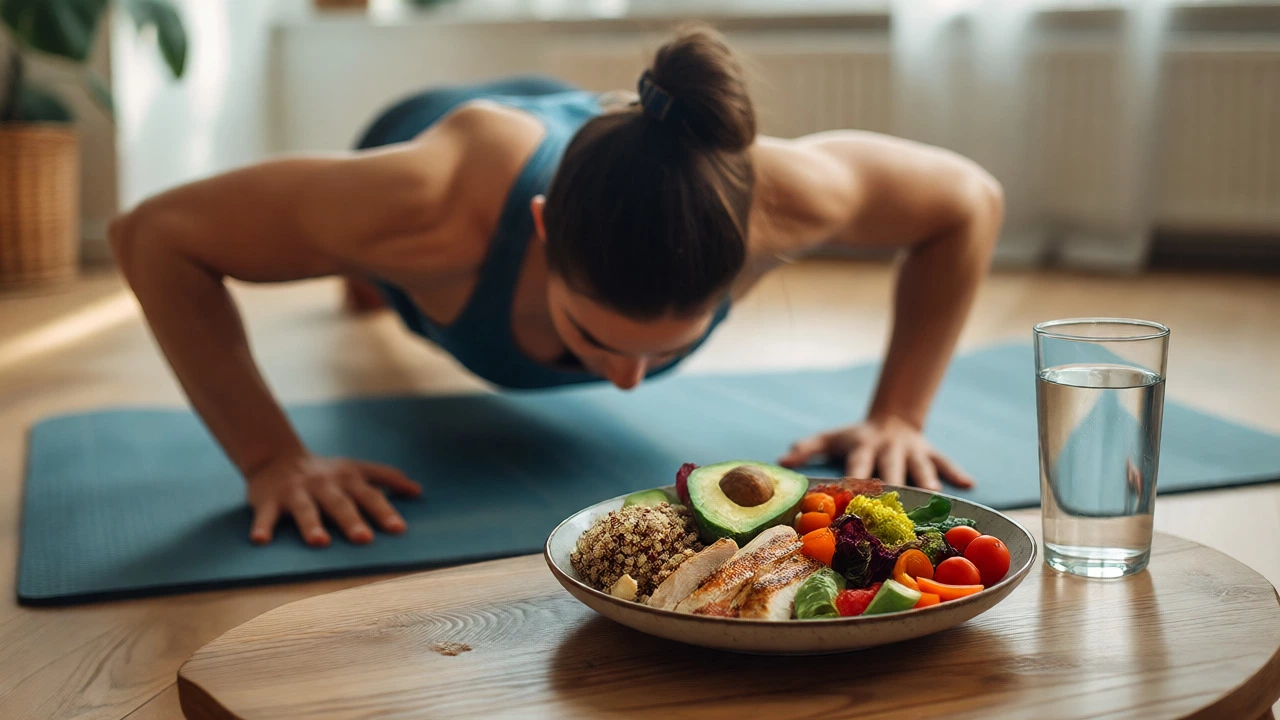
You don’t need a fancy gym. Push-ups, squats, lunges, and planks are free and effective. Start with two sessions a week. Focus on compound movements-exercises that use multiple joints at once. Think squats, deadlifts, and overhead presses. These give you the most bang for your buck. Remember, form matters more than weight. Doing ten perfect push-ups is better than twenty sloppy ones.
Fueling with Balanced Nutrition
You can’t out-exercise a bad diet. This is the hardest pill to swallow for many. You might crush a HIIT workout, but if you follow it with a sugary soda and a bag of chips, you’re undoing some of the benefits. Food is fuel, but it’s also information. It tells your body whether to store fat, build muscle, or repair tissues.
Nutrition is the science of how food affects the body's growth, maintenance, and reproduction. For fitness purposes, it revolves around macronutrients: protein, carbohydrates, and fats.
Let’s simplify it. Protein builds and repairs muscle. Carbs provide energy for high-intensity efforts. Fats support hormone production and brain health. You need all three. Diets that cut out entire food groups often fail long-term because they’re unsustainable. Instead, focus on whole foods. Vegetables, fruits, lean meats, nuts, seeds, and whole grains should make up the bulk of your plate.
Hydration is part of nutrition too. Even mild dehydration-just 1-2% loss of body water-can impair performance and concentration. Keep a water bottle nearby. Drink before you’re thirsty. Thirst is a lagging indicator. If you’re thirsty, you’re already dehydrated.
| Macronutrient | Primary Function | Good Sources |
|---|---|---|
| Protein | Muscle repair and growth | Chicken, fish, eggs, beans, tofu |
| Carbohydrates | Energy for workouts | Oats, rice, potatoes, fruit |
| Fats | Hormone regulation and cell health | Avocado, olive oil, nuts, salmon |
Prioritizing Rest and Recovery
This is the pillar everyone neglects. We live in a culture that glorifies "no pain, no gain." But training breaks your body down; rest builds it back up. If you train hard every day without recovery, you’ll eventually burn out, get injured, or hit a plateau.
Sleep is a naturally recurring state of mind and body characterized by altered consciousness, relatively inhibited sensory activity, and reduced interactions with surroundings. For athletes and fitness enthusiasts, it’s the most potent recovery tool available.
During deep sleep, your body releases growth hormone, which helps repair muscle tissue. Lack of sleep increases cortisol, the stress hormone, which can lead to fat storage and muscle breakdown. Aim for 7-9 hours of quality sleep per night. It’s not just about duration; it’s about quality. Dark room, cool temperature, no screens an hour before bed.
Recovery isn’t just sleep, though. Active recovery-like gentle yoga or a light walk-helps flush out metabolic waste products like lactate. Listen to your body. If you’re constantly sore, irritable, or your performance is dropping, you need a deload week. Take it seriously. Rest days are not lazy days; they are productive days.

Cultivating Mental Resilience
The fifth pillar is invisible but vital. Fitness is mental. Motivation fades. Discipline remains. The ability to stick with a routine when you’re tired, stressed, or bored is what separates those who transform their bodies from those who quit after two weeks.
Mental Toughness is the psychological capacity to consistently perform towards the upper range of your talent and skill regardless of competitive circumstances. In fitness, this translates to consistency and habit formation.
How do you build this? Start small. Set goals that are slightly uncomfortable but achievable. Instead of "I will run 5k," try "I will run for 10 minutes." Track your progress. Seeing a streak of completed workouts creates momentum. Find a community or an accountability partner. It’s easier to skip a workout if no one knows you promised to go.
Also, redefine success. Success isn’t always hitting a personal best. Sometimes success is showing up when you didn’t feel like it. Celebrate the effort, not just the outcome. This mindset shift prevents burnout and keeps you engaged long-term.
Putting It All Together
So, what does this look like in practice? You don’t need to overhaul your life overnight. Pick one area to improve this week. Maybe it’s adding a 15-minute walk after dinner. Next week, add two strength sessions. The week after, focus on going to bed 30 minutes earlier.
Remember, these five pillars-movement, strength, nutrition, rest, and mindset-are interconnected. Poor sleep hurts your nutrition choices (hello, midnight snacks). Low strength makes movement painful. Bad nutrition kills your motivation. They feed into each other. When you balance them, you create a sustainable lifestyle, not a temporary fix.
Start today. Not Monday. Today. Do ten squats. Drink a glass of water. Go to bed early. Small steps lead to big changes.
Do I need a gym to follow these fitness principles?
No, absolutely not. While gyms offer convenience and equipment, all five pillars can be addressed at home. Bodyweight exercises cover strength needs. Outdoor walks or runs cover cardio. Kitchen-based meal prep handles nutrition. Sleep and mindset require no special location. Many successful fitness journeys happen entirely outside of a gym setting.
How long until I see results from these changes?
You may feel improvements in energy and mood within the first two weeks due to better sleep and consistent movement. Visible physical changes, such as increased muscle tone or fat loss, typically take 4-8 weeks of consistent effort. However, internal health markers like blood pressure and resting heart rate can improve within just a few weeks. Patience is key; fitness is a marathon, not a sprint.
What if I hate exercise?
Find something you don’t hate. Exercise shouldn’t feel like punishment. Try hiking, dancing, swimming, martial arts, or team sports. The best exercise is the one you’ll actually do. If you dread the treadmill, don’t use it. Experiment with different activities until you find one that feels like play rather than work. Consistency beats intensity every time.
Is supplements necessary for fitness?
For most people, no. Supplements are meant to supplement a good diet, not replace it. If you eat a balanced diet rich in whole foods, you likely get enough nutrients. Common exceptions include Vitamin D for those with limited sun exposure or protein powder for convenience if you struggle to meet protein targets through food alone. Focus on food first.
How much rest do I really need between workouts?
It depends on the intensity and muscle groups involved. For strength training, allow 48 hours before working the same muscle group again. Cardio can often be done daily if kept at low-to-moderate intensity. High-intensity interval training (HIIT) stresses the nervous system, so limit it to 2-3 times a week with rest days in between. Always prioritize how you feel over rigid schedules.