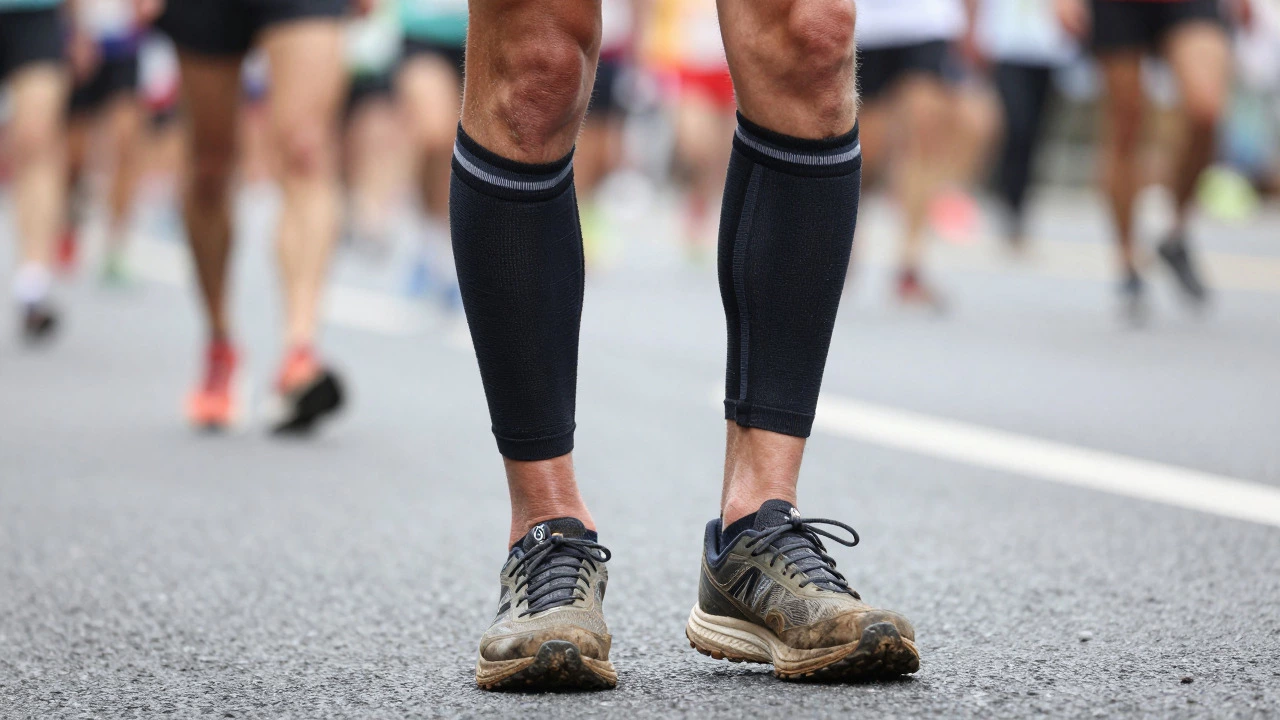
Post-Marathon Recovery Tracker
Current Phase: --
Physiological Event
--
Immediate Action Required
--
--
Crossing the finish line of a marathon is a moment of pure adrenaline. You’ve done it. But within minutes, that high fades into a complex biological storm. Your body isn't just tired; it’s in survival mode. Understanding exactly what happens to your physiology in the critical 48 hours after running 26.2 miles can mean the difference between bouncing back strong or dealing with lingering injury and illness.
This isn’t just about feeling sore. It’s about how your muscles rebuild, how your immune system reacts, and how your energy stores refill. Let’s walk through the timeline hour by hour so you know exactly what to expect and how to support your body during this vulnerable window.
The First Hour: The Cool-Down Crisis
Immediately after stopping, your heart rate begins to drop, but not as fast as you’d like. If you stop moving completely right after the finish line, blood can pool in your legs due to gravity and reduced muscle pump action. This is why many runners feel dizzy or lightheaded. Keep walking slowly for at least 10 to 15 minutes. This gentle movement helps circulate blood back to the heart and prevents fainting.
During this first hour, your body is also fighting inflammation. The mechanical stress of pounding pavement for four hours causes micro-tears in your muscle fibers. In response, your body releases inflammatory markers like cytokines. While inflammation sounds bad, it’s actually the first step in healing. It signals white blood cells to come clean up the debris from damaged tissue.
Should I stretch immediately after the marathon?
Static stretching right after the race offers minimal benefit for reducing soreness. Instead, focus on dynamic movement like slow walking to aid circulation. Save deep static stretches for when your muscles are warm and relaxed, usually a few days later.
Hours 1-4: Refueling and Hydration
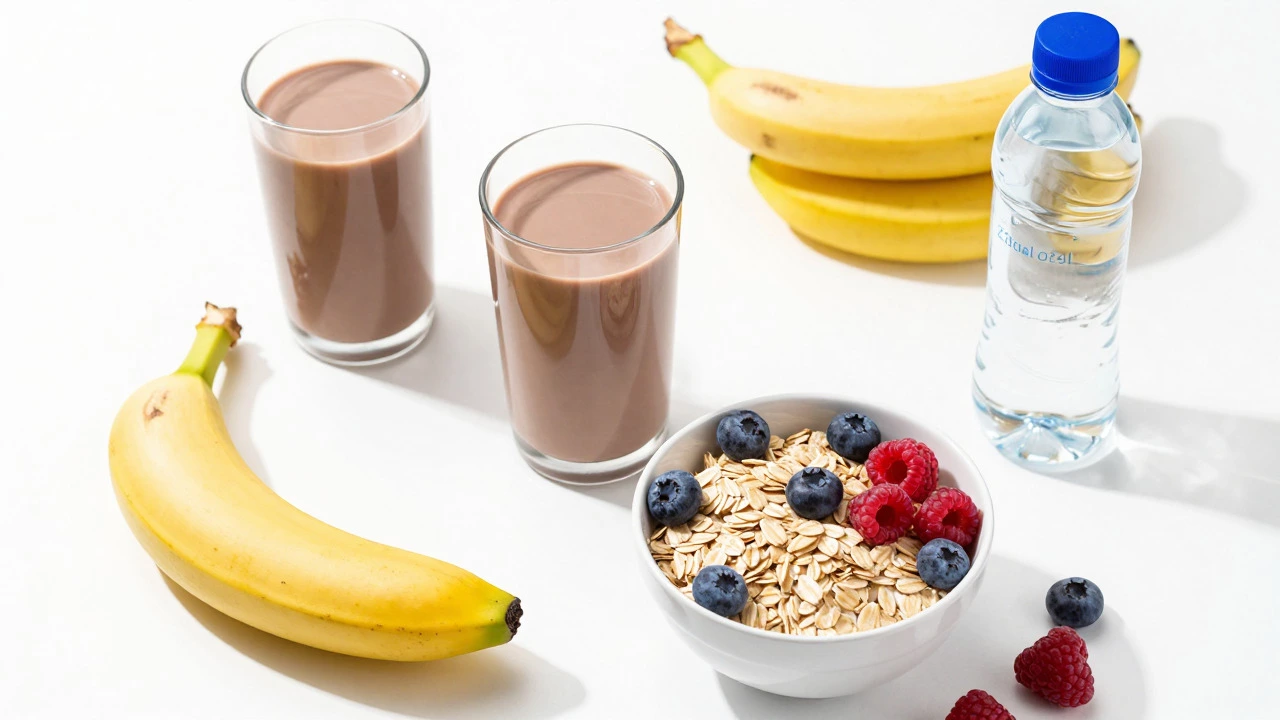
Your glycogen stores-your muscles’ primary fuel source-are nearly empty. Glycogen depletion is what causes that heavy-legged feeling known as "the wall." To restart recovery, you need to consume carbohydrates and protein within the first 30 to 60 minutes post-race. This is called the "glycogen window." Aim for a 3:1 or 4:1 ratio of carbs to protein. A chocolate milk shake or a banana with peanut butter works perfectly here.
Hydration is equally critical. You’ve likely lost several liters of sweat. Drinking water alone isn’t enough because you’ve also lost electrolytes like sodium and potassium. Replace these with sports drinks or salty snacks paired with fluids. Don’t chug water; sip steadily to avoid bloating and nausea, which are common as blood flow shifts away from your stomach back to your digestive system.
Glycogen is the stored form of glucose in muscles and liver, serving as the primary energy source for endurance activities. Depletion leads to fatigue, while rapid replenishment accelerates recovery.Hours 4-12: The Soreness Sets In
As the adrenaline wears off, Delayed Onset Muscle Soreness (DOMS) begins to creep in. DOMS peaks around 24 to 48 hours post-exercise. It feels like a deep ache, stiffness, and tenderness in your quads, hamstrings, and calves. This pain comes from the microscopic damage to muscle fibers and the associated inflammation.
Your immune system takes a temporary hit during this phase. Intense endurance exercise creates an "open window" where your susceptibility to upper respiratory infections increases. This is why many runners catch a cold a few days after a big race. To counteract this, prioritize sleep and continue consuming anti-inflammatory foods like berries, fatty fish, and leafy greens.
Hours 12-24: Sleep and Repair
Sleep is non-negotiable. During deep sleep, your body releases human growth hormone (HGH), which is essential for tissue repair and muscle building. Aim for 8 to 10 hours of sleep if possible. Your body uses this time to synthesize new proteins and repair the micro-tears caused by the marathon.
You might experience elevated resting heart rate and slight swelling in your ankles and feet. This is normal fluid retention due to inflammation and increased blood volume. Elevating your legs above heart level for 15-20 minutes can help reduce swelling. Avoid aggressive massage or foam rolling during this acute phase, as it can irritate already inflamed tissues.
Hours 24-48: Active Recovery Begins
By day two, the intense soreness may start to plateau or slightly decrease. This is the time to introduce active recovery. Light activities like easy walking, swimming, or gentle cycling increase blood flow without adding impact. This flushes out metabolic waste products and delivers nutrients to repairing muscles.
Continue focusing on nutrition. Your body still needs extra calories and protein to complete the repair process. Monitor your weight; if it’s significantly lower than pre-race weight, you’re still dehydrated. Drink until your urine is pale yellow. Most runners return to light jogging or cross-training around day three or four, depending on how they feel.
| Timeframe | Key Physiological Event | Action Required |
|---|---|---|
| 0-1 Hour | Blood pooling risk, initial inflammation | Walk slowly, eat carb-protein snack |
| 1-4 Hours | Glycogen depletion peak | Rehydrate with electrolytes, refuel |
| 4-12 Hours | DOMS onset, immune suppression | Rest, sleep, anti-inflammatory diet |
| 12-24 Hours | Tissue repair via HGH release | Deep sleep, elevate legs, hydrate |
| 24-48 Hours | Peak soreness, fluid retention | Active recovery (walk/swim), monitor weight |

Nutrition Strategy for Recovery
What you eat in the first 48 hours directly impacts how quickly you recover. Focus on whole foods rather than supplements. Complex carbohydrates like sweet potatoes, oats, and brown rice help replenish glycogen stores more sustainably than simple sugars. Lean proteins such as chicken, tofu, or Greek yogurt provide the amino acids needed for muscle repair.
Don’t ignore healthy fats. Omega-3 fatty acids found in salmon, walnuts, and flaxseeds have potent anti-inflammatory properties. They help modulate the inflammatory response, reducing excessive swelling and pain. Avoid alcohol in the first 48 hours, as it dehydrates you and interferes with muscle protein synthesis.
When to Worry
While soreness and mild swelling are normal, some symptoms require medical attention. Dark urine, severe muscle weakness, or extreme swelling could indicate rhabdomyolysis, a serious condition where damaged muscle tissue breaks down rapidly. Seek immediate care if you experience chest pain, shortness of breath unrelated to exertion, or fever over 101°F (38.3°C).
Listen to your body. Everyone recovers differently based on training history, age, and genetics. Some runners bounce back in three days; others take a week. There’s no shame in taking extra rest days. Pushing too hard too soon is the fastest way to turn a successful race into an overuse injury.
How long does it take to fully recover from a marathon?
Full physiological recovery typically takes 7 to 14 days. While you may feel ready to run lightly after 3-4 days, muscle strength and bone density can take up to two weeks to return to baseline levels.
Is ice bath good for marathon recovery?
Ice baths can reduce perceived soreness temporarily by numbing nerves, but recent studies suggest they may blunt long-term muscle adaptation. For most recreational runners, cool showers or contrast therapy (alternating hot and cold) are safer and equally effective options.
Can I run again the next day?
It’s generally not recommended. Your muscles are still repairing micro-tears, and your connective tissues are weakened. Wait at least 3-4 days before resuming any running, starting with very easy strides or walk-run intervals.
Why do my legs feel weak after a marathon?
Neuromuscular fatigue contributes to weakness. Your nervous system has been firing intensely for hours, leading to temporary impairment in motor unit recruitment. Combined with muscle damage and glycogen depletion, this results in that "jelly leg" sensation.
Does caffeine help with post-marathon recovery?
Caffeine can reduce perceived soreness and improve mood, but it doesn’t speed up muscle repair. Use it sparingly to avoid disrupting sleep, which is crucial for recovery. One small cup in the morning is fine, but avoid it later in the day.