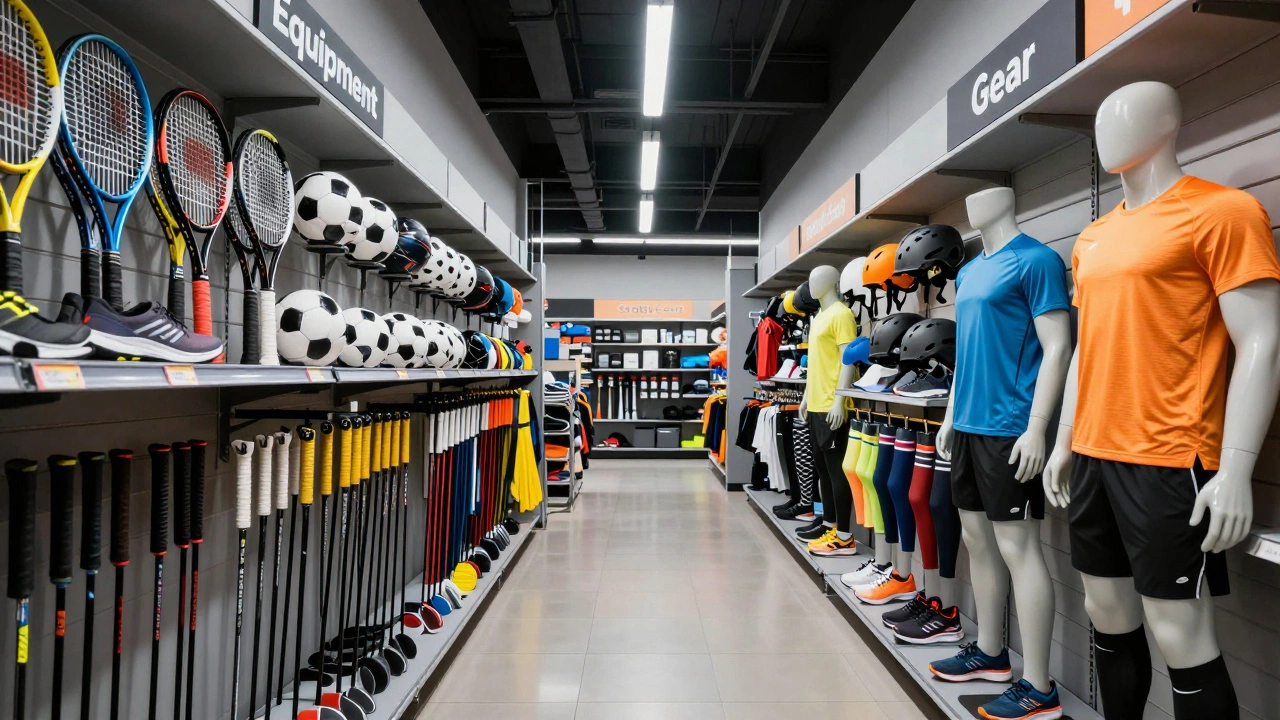
Walk into any sporting goods store, and you’ll notice something interesting. The aisles are labeled with words like "Gear," "Equipment," and "Apparel." You might grab a pair of running shoes from the "Gear" section and a basketball from the "Equipment" aisle without thinking twice. But have you ever stopped to wonder why they’re separated? Is there a real difference, or is it just marketing jargon designed to make you buy more?
The truth is, while we often use these terms interchangeably in casual conversation, there is a distinct functional difference between sports gear and sports equipment. Understanding this distinction isn’t just about semantics; it affects how you train, how you protect your body, and how much money you spend on items that actually matter.
Defining Sports Equipment: The Tools of the Trade
Sports equipment refers to the tangible objects used to play a specific sport. These are the tools that facilitate the game itself. Without them, the sport simply cannot exist or function as intended.
Think of equipment as the "hardware" of athletics. It’s usually rigid, durable, and standardized. In tennis, the racket and the ball are equipment. In soccer, the ball, the goalposts, and the corner flags are equipment. Even in weightlifting, the barbell and the plates are considered equipment because they are the primary instruments through which the exercise is performed.
Key characteristics of sports equipment include:
- Standardization: Most competitive sports have strict rules about equipment dimensions, weight, and material. A baseball bat must meet specific length and diameter requirements to be legal in Major League Baseball.
- Durability: Equipment is built to withstand high impact and repeated stress. A hockey stick needs to flex and snap back without breaking under the force of a slap shot.
- Impersonality: While players may prefer certain brands, equipment doesn’t fit your body. A basketball is the same size for everyone, regardless of their height or hand size.
When you invest in equipment, you are investing in performance consistency. A golfer spends hours testing irons because the loft angle and shaft stiffness directly influence the trajectory of the ball. This is pure mechanics.
Defining Sports Gear: The Personal Layer
Sports gear, on the other hand, is what you wear or carry on your person to enhance comfort, safety, or style. It’s the "software" or the interface between your body and the equipment.
Gear is highly personal. It fits your unique anatomy and preferences. Your running shoes, compression socks, moisture-wicking shirt, and sweatband are all gear. In contact sports like football or rugby, helmets, shoulder pads, and mouthguards fall into this category. They don’t help you throw the ball further, but they allow you to play safely and comfortably.
Key characteristics of sports gear include:
- Fittability: Gear must match your body measurements. A helmet that doesn’t fit snugly is dangerous. Shoes that are too loose cause blisters.
- Protection & Comfort: The primary role of gear is often protective (padding, eyewear) or physiological (temperature regulation, moisture management).
- Fashion & Identity: Gear is where personal style comes in. Athletes choose colors, logos, and designs that reflect their personality. Think of Michael Jordan’s iconic sneakers or Serena Williams’ headbands.
If equipment is about playing the game, gear is about experiencing the game. It’s the layer that makes the activity sustainable for your body over time.
The Gray Area: Where Do Accessories Fit?
Not everything fits neatly into one box. Some items blur the line between gear and equipment, leading to confusion. Let’s look at a few common examples.
| Item | Category | Reasoning |
|---|---|---|
| Tennis Racket | Equipment | Used to strike the ball; standardized by ITF rules. |
| Tennis Shoes | Gear | Worn on feet; provides traction and support; personalized fit. |
| Golf Club | Equipment | Tool for striking the ball; has specific technical specs. |
| Golf Gloves | Gear | Worn on hands; improves grip and comfort; not required to hit. |
| Cycling Helmet | Gear | Protective wearable; mandatory for safety but not part of the bike. |
| Bicycle Frame | Equipment | Core tool for the sport; defines the riding experience. |
Notice the pattern? If you hold it to interact with the environment or opponent, it’s likely equipment. If you wear it to protect or comfort yourself, it’s gear. Accessories like water bottles, gym towels, or phone armbands are generally considered gear because they support the athlete’s well-being rather than the mechanics of the sport.
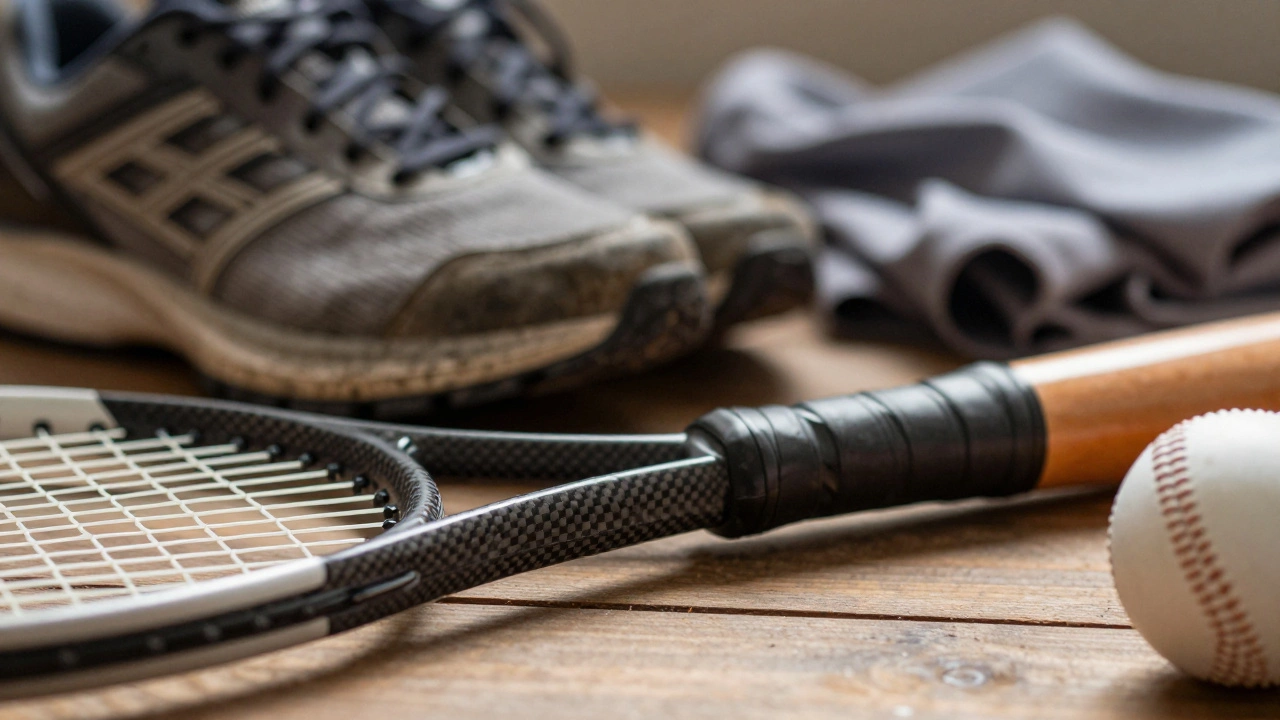
Why the Distinction Matters for Your Wallet
Understanding the difference helps you budget smarter. Here’s the reality: equipment depreciates slowly if cared for, but gear wears out quickly due to direct contact with your body.
Investment Strategy for Equipment: Since equipment dictates performance, this is where you should splurge. A high-quality tennis racket can last five years or more. A good set of golf clubs can serve you for a decade. Don’t cheap out here. Poor equipment leads to frustration, bad habits, and even injury due to lack of control.
Replacement Cycle for Gear: Gear has a shorter lifespan. Running shoes lose cushioning after 300-500 miles. Compression shirts lose elasticity after dozens of washes. Helmets expire after five years or immediately after an impact. Budget for replacing gear annually or bi-annually. It’s better to buy mid-range gear frequently than top-tier gear once every five years.
Safety Implications: Non-Negotiables
In some sports, the line between gear and equipment becomes a matter of life and death. Consider boxing. The gloves are technically equipment because they are used to strike, but they also serve as critical protective gear for both the attacker and the defender. However, the mouthguard and headgear are purely gear-they offer no offensive advantage, only protection.
In cycling, the bike is equipment. The helmet, jersey, and padded shorts are gear. But without the helmet, you risk catastrophic injury. In this context, gear isn’t optional-it’s essential. Always prioritize certified protective gear. Look for standards like CPSC for helmets, ASTM for eye protection, or NOCSAE for football pads. Never compromise on safety gear, even if it’s cheaper than your equipment.
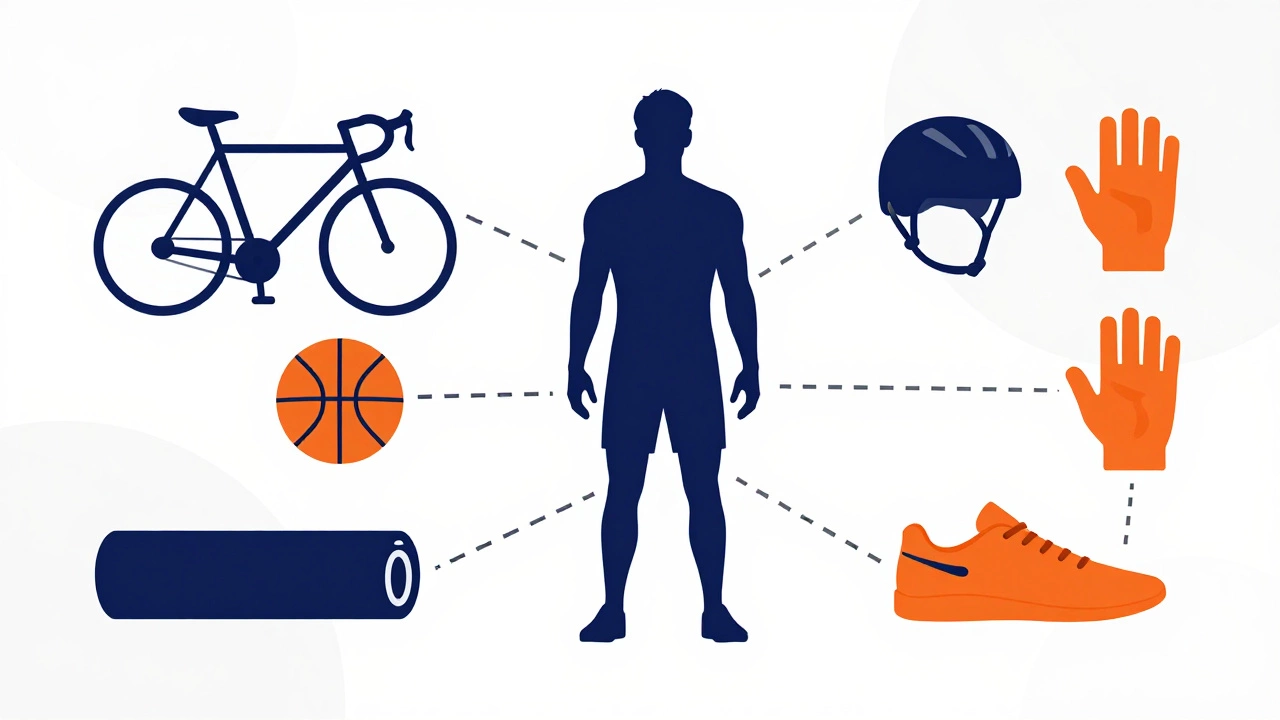
How to Choose What You Need First
New to a sport? Don’t buy everything at once. Follow this priority list:
- Essential Equipment: Get the basic tool needed to play. For yoga, that’s a mat. For basketball, a ball. Borrow or rent expensive equipment until you’re sure you’ll stick with it.
- Safety Gear: Immediately acquire any required protective items. No helmet, no biking. No pads, no skating.
- Comfort Gear: Add shoes, clothing, and accessories that improve your experience. Start with affordable options and upgrade as you learn what works for your body.
- Performance Equipment: Once you’ve mastered the basics, invest in higher-end equipment tailored to your skill level and playing style.
This approach prevents waste. Many beginners buy expensive carbon-fiber bikes or pro-level golf clubs, only to quit after three months. By starting with minimal equipment and essential gear, you keep the barrier to entry low and the financial risk manageable.
Environmental Impact: Durability vs. Disposability
There’s also an ecological angle. Equipment tends to be more durable and repairable. A wooden cricket bat can be re-struck and maintained. A metal baseball bat lasts for years. Gear, however, often involves synthetic fabrics, adhesives, and foams that break down faster and are harder to recycle.
To reduce waste, focus on quality gear made from sustainable materials. Look for brands using recycled polyester or organic cotton. Avoid fast-fashion athletic wear that falls apart after a few washes. When gear does wear out, check if local shelters or schools accept donations before tossing them in the trash.
Is a smartphone considered sports gear or equipment?
A smartphone is considered sports gear. It’s an accessory used for tracking stats, listening to music, or navigating routes. It doesn’t directly facilitate the physical act of the sport, so it falls under the category of personal electronic gear.
Can sports gear improve my performance?
Yes, indirectly. Proper footwear can improve stability and speed. Compression gear may reduce muscle fatigue. Moisture-wicking clothing keeps you cool, allowing you to maintain intensity longer. However, gear enhances your ability to perform; it doesn’t replace skill or strength.
Do I need professional-grade equipment as a beginner?
No. Beginners should start with entry-level equipment that meets basic safety and functionality standards. As your skills develop, you’ll understand what features matter most to your game, allowing you to make informed upgrades later.
What is the average lifespan of sports gear?
It varies by item. Running shoes last 300-500 miles. Athletic socks should be replaced every 6-12 months depending on use. Helmets have a 5-year shelf life from manufacture date. Clothing depends on fabric quality and washing frequency.
Are there tax benefits for buying sports equipment?
Generally, no. Personal sports purchases are not tax-deductible. However, if you’re a professional athlete or coach, some expenses may be deductible as business costs. Consult a tax advisor for specific situations related to professional sports careers.