Fasted vs Fed Workout Fat Burn Calculator
Based on 2020 British Journal of Nutrition study showing minimal fat burning difference between fasted and fed workouts
Scientifically backed by research on total daily energy balance and performance impact
Results
Many people swear by working out on an empty stomach-especially first thing in the morning. You’ve probably heard that it burns more fat, boosts metabolism, or even helps you lose weight faster. But is it actually better? Or is it just another fitness myth that sounds good but doesn’t hold up under real science?
What does "working out on an empty stomach" really mean?
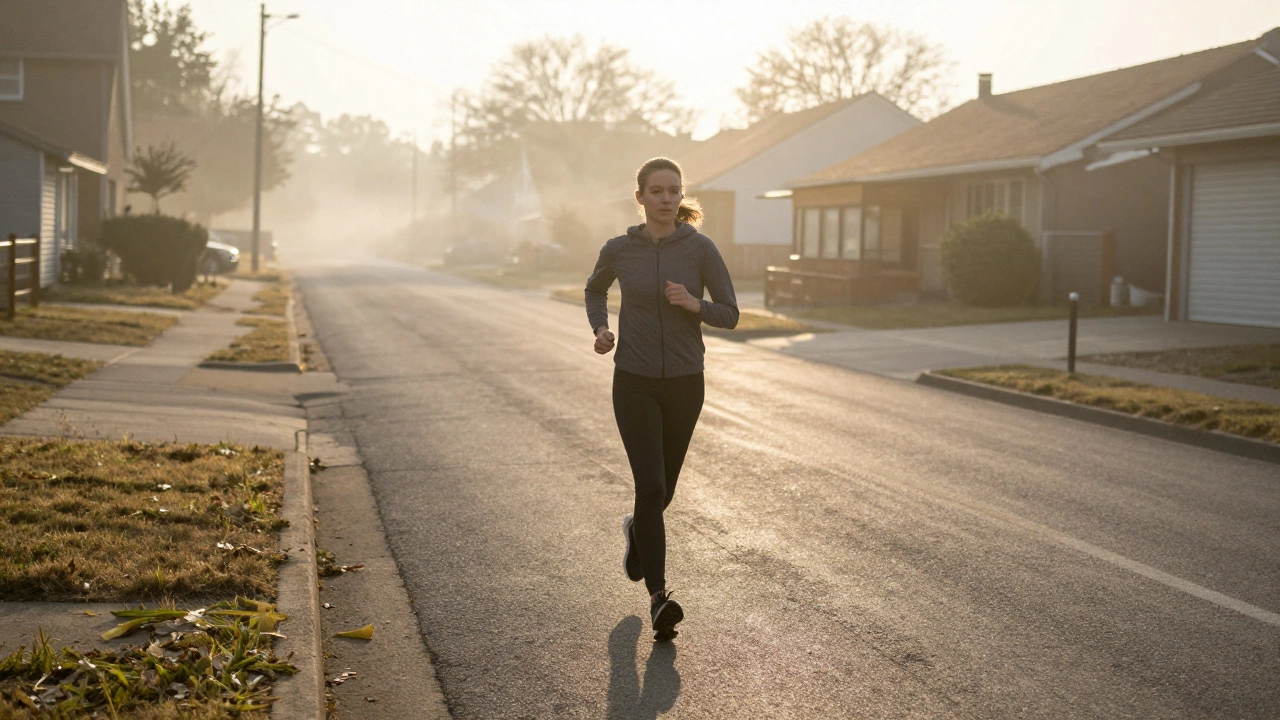
When people say "fasted workout," they usually mean exercising after not eating for at least 8-12 hours. That’s often first thing in the morning before breakfast. Your body has used up most of the sugar from your last meal, so it turns to stored fat for fuel. Sounds ideal, right? But here’s the catch: your body doesn’t care if you "burn fat" during the workout-it cares about what happens the rest of the day.
A 2020 study from the British Journal of Nutrition followed 20 healthy adults for four weeks. One group did their workouts fasted, the other ate a light meal before exercising. Both groups lost nearly the same amount of body fat. The fasted group burned more fat during their workout. But the fed group ate less afterward and ended up with a bigger calorie deficit overall. That’s the real key: total daily energy balance, not what happens in a single session.
Does fasted cardio burn more fat?
Yes, but not in a way that matters.
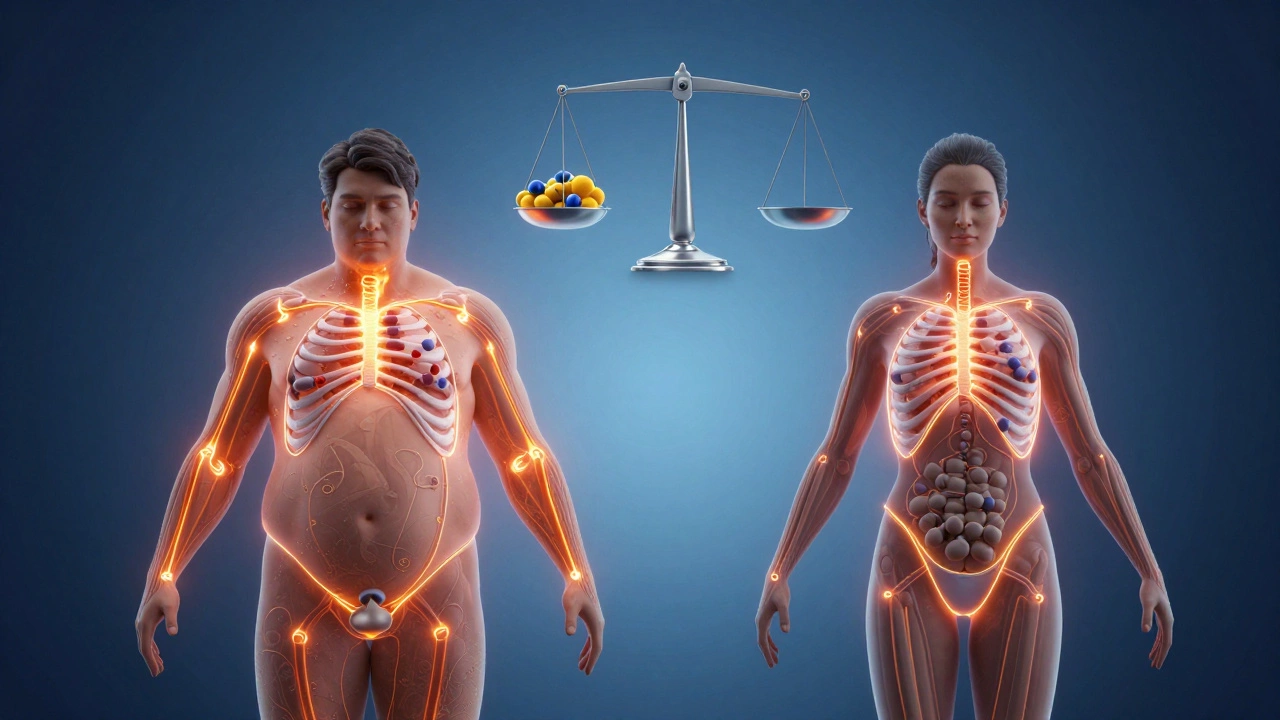
When you exercise without food, your insulin levels are low. That makes it easier for your body to access fat stores. So technically, a higher percentage of calories burned during a fasted workout come from fat. But here’s the thing: if you burn 300 calories total, and 60% comes from fat, that’s 180 fat calories. If you eat before working out and burn the same 300 calories, but only 40% comes from fat, that’s still 120 fat calories. The difference? Just 60 fat calories. Over a week, that’s less than a tablespoon of olive oil.
What really matters is your total weekly calorie burn and what you eat after. If you eat a huge breakfast after your fasted workout, you cancel out any benefit. If you’re hungrier all day and snack more, you might even gain weight.
Performance suffers without fuel
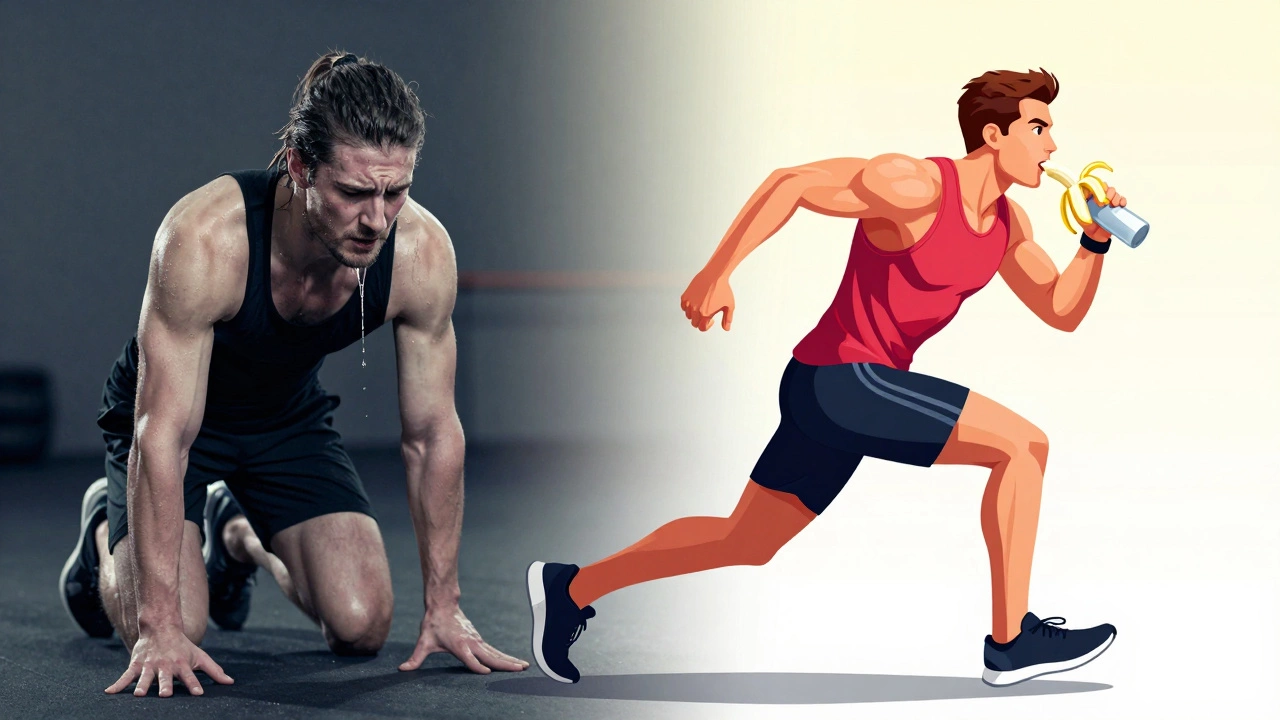
Here’s where things get practical. If you’re doing anything more intense than a light walk, your performance drops without food.
Try this: go for a 45-minute run on an empty stomach. Then do the same run after eating a banana and a spoon of peanut butter. Most people notice the difference immediately. The fueled version feels easier. You can push harder, last longer, and recover faster.
A 2023 meta-analysis in the Journal of the International Society of Sports Nutrition reviewed 14 studies on fasted vs. fed resistance training. The fed group lifted 8-12% more weight on average. Their muscle protein synthesis was higher. Their recovery was better. That’s not a small edge-it’s the difference between making progress and hitting a plateau.
If you’re training for strength, endurance, or muscle growth, food before your workout gives you a real advantage. Your muscles need glycogen. Your brain needs glucose. Skipping fuel doesn’t make you "leaner"-it just makes you weaker.
Who might benefit from fasted workouts?
Not everyone. But some people do better with it.
- People doing low-intensity steady-state cardio (LISS) like walking, light cycling, or yoga in the morning.
- Those who feel sluggish or nauseous after eating before exercise.
- Individuals with a very low body fat percentage trying to fine-tune fat loss (under medical supervision).
For example, a 55-year-old woman in Melbourne who walks 6 km every morning before breakfast says she feels more alert and doesn’t get stomach cramps. She’s not trying to lose weight-she’s just moving for health. For her, fasted walking works.
But if you’re lifting weights, sprinting, or doing HIIT? You’re likely hurting your results. Your body doesn’t have the fuel to perform, and it starts breaking down muscle for energy. That’s the opposite of what you want.
What about intermittent fasting and workouts?
Intermittent fasting (IF) is popular, and many people time their workouts to fit within their eating window. That’s fine-but it’s not the same as fasted exercise.
If you’re doing 16:8 fasting and train at 5 PM, right before your first meal, you’re not truly fasted. You’ve eaten earlier in the day. Your body still has glycogen. Your performance won’t suffer. That’s smart timing.
But if you’re training at 6 AM and not eating until noon? You’re in a prolonged fasted state. That’s fine for light activity. But if you’re pushing hard, you’re asking your body to run on fumes. Over time, that can lead to fatigue, poor recovery, and even hormonal imbalances-especially in women.
What should you eat before a workout?
You don’t need a full meal. Just enough to give your body a nudge.
Aim for:
- 15-30 grams of easily digestible carbs: banana, toast, oats, or a small apple.
- 5-10 grams of protein: a hard-boiled egg, a scoop of whey, or Greek yogurt.
- Minimal fat and fiber: these slow digestion and can cause discomfort.
Timing: eat 30-60 minutes before your workout. That’s enough time to digest without feeling full.
If you’re short on time? A black coffee with a pinch of salt can help. Caffeine boosts alertness and fat oxidation. Sodium helps with hydration and muscle function. It’s not a meal-but it’s better than nothing.
The bottom line
Working out on an empty stomach isn’t better. It’s not worse. It’s just one option.
For light exercise? It’s fine. For anything serious? You’re leaving performance on the table.
There’s no magic in fasting. Your body doesn’t have a "fat-burning mode" that only activates when you’re hungry. It just uses what’s available. And what’s available matters more than when you ate.
Focus on these three things instead:
- Consistency-show up, move regularly, stick with it.
- Total calorie balance-eat what you need to support your goals, not what you think you "should" eat.
- Recovery-sleep, hydrate, and fuel your body so it can rebuild and get stronger.
Try both ways for two weeks. Track how you feel, how hard you can push, and how your body responds. Then choose what works for you-not what a blog says.