Running Shoe Size Estimator
Sizing Recommendation
Enter your details to see the recommended running shoe size.
Most runners make the mistake of buying shoes that fit their everyday walking style. If you buy running shoes that feel "just right" in the store, you're likely heading toward bruised toenails and blisters. Your feet change shape when you move, and a shoe that feels cozy while you're standing still will become a torture device after five kilometers. The goal isn't to find a shoe that fits your foot as it is now, but one that accommodates your foot as it expands under pressure.
Key Takeaways for a Better Fit
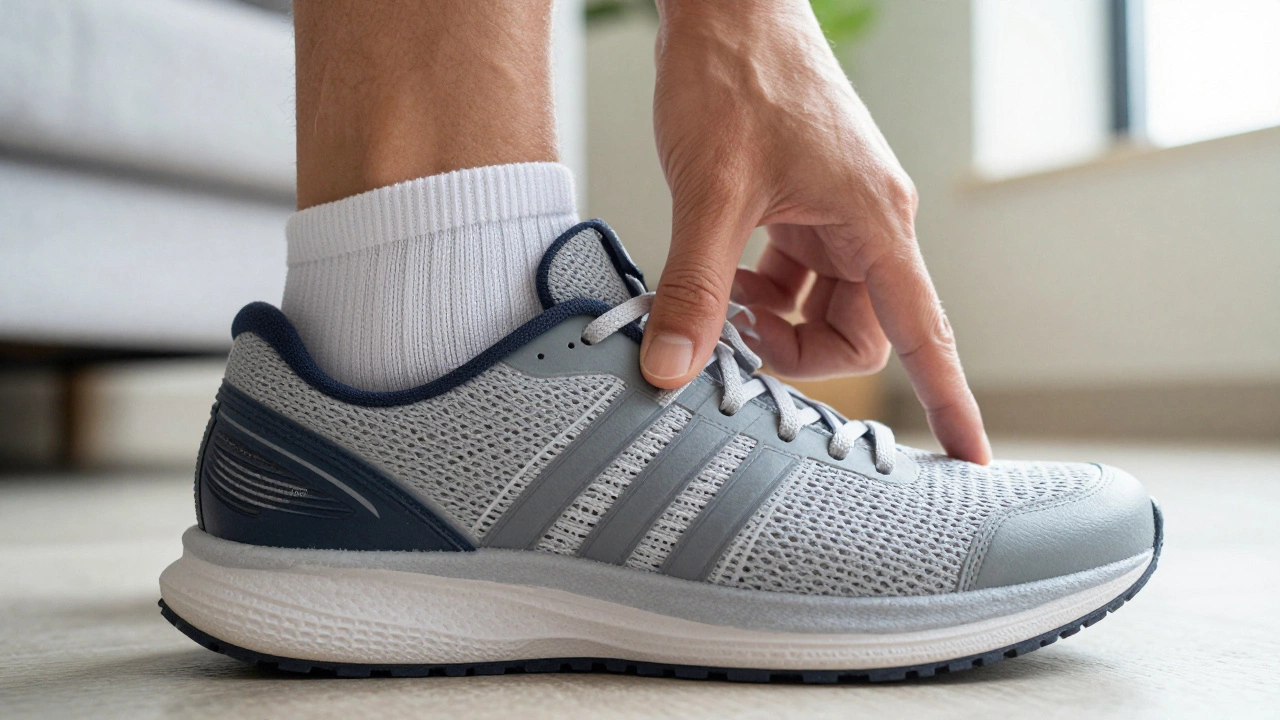
- Always aim for a thumb's width of space between your toes and the end of the shoe.
- Measure your feet in the evening when they are at their largest.
- Wear the actual socks you plan to run in during the fitting process.
- Don't rely on a single size number; brands vary wildly in their actual dimensions.
- Prioritize the feel of the toe box over the tightness of the heel.
Why Your Standard Shoe Size is Usually Wrong
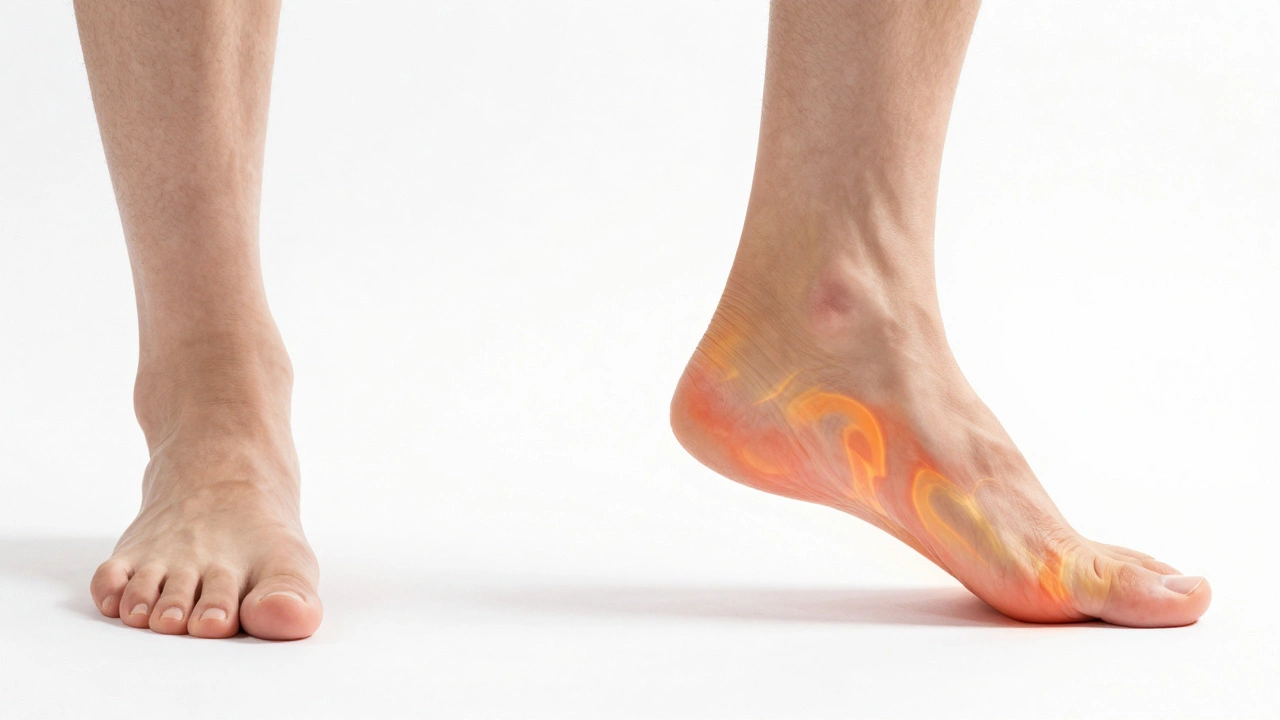
If you wear a size 10 in dress shoes, there is a high chance you need a 10.5 or 11 in running shoes size. This happens because of a process called foot splay. When your foot hits the ground, the arch flattens and the foot spreads out to absorb the impact. If the shoe is too short, your toes hit the front of the shoe with every stride.
Imagine running a half-marathon. Over 21 kilometers, your feet will swell due to increased blood flow and heat. A shoe that fits perfectly at the start will be too tight by kilometer ten. This is why many experienced runners intentionally size up. If you've ever noticed black toenails after a long run, it's a clear sign that your shoes are too small, regardless of what the size tag says.
The Step-by-Step Measurement Process
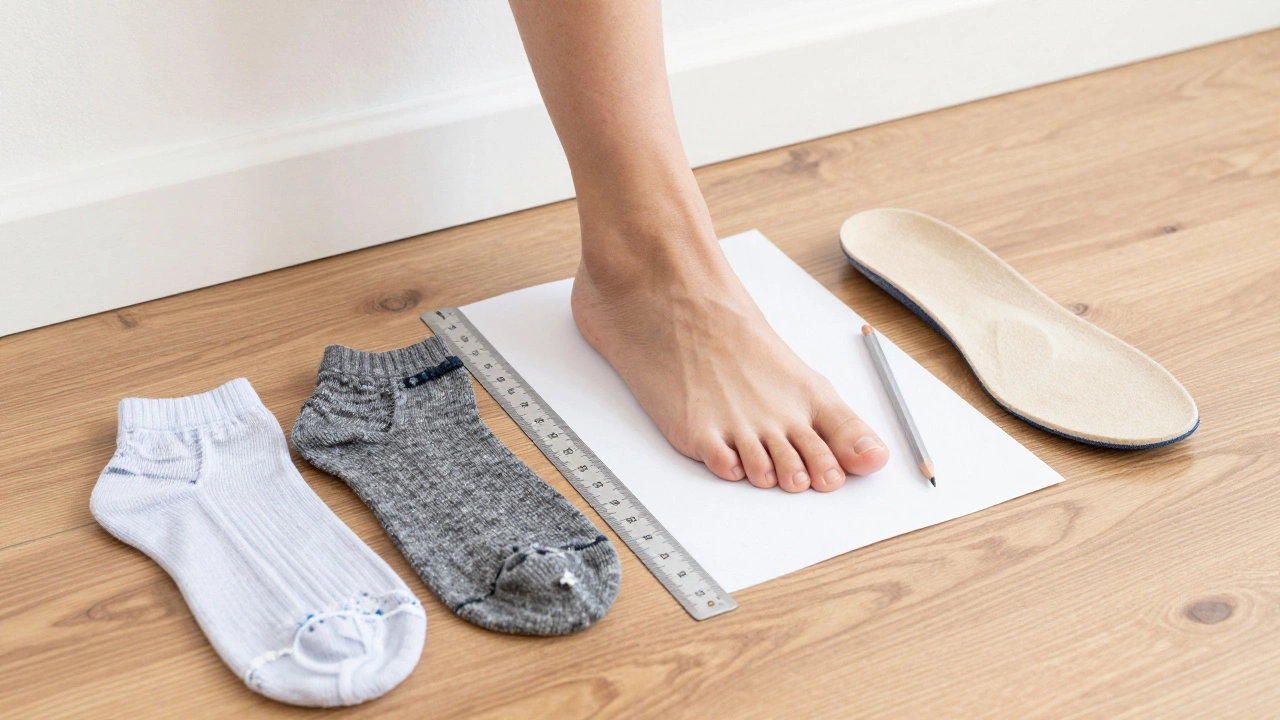
Stop guessing based on your last pair of sneakers. To get an accurate reading, you need to measure your foot's actual length and width. You can do this at home with a piece of paper and a ruler, or at a specialty shop using a Brannock device.
- Time it right: Measure your feet at the end of the day. After hours of walking, your feet are swollen to their maximum size. Measuring in the morning will lead to shoes that are too tight.
- The Paper Method: Place a sheet of paper on a hard floor against a wall. Step on the paper with your heel touching the wall. Mark the longest part of your foot (usually the big toe or second toe).
- Measure the Gap: Use a ruler to find the distance from the wall to the mark. Convert this to centimeters for the most accurate brand comparisons.
- Check the Width: Note if your foot feels squeezed in standard shoes. If you have a wider forefoot, you may need a "Wide" (2E or 4E) version rather than just a larger size.
Analyzing the Three Main Fit Zones
A shoe can be the right length but the wrong shape. You need to evaluate the fit in three specific areas to ensure you aren't risking injury.
First, look at the Toe Box. This is the front area where your toes live. You should be able to wiggle your toes freely. If your pinky toe is pressing against the side, you need a wider toe box, not necessarily a longer shoe. Some brands, like Altra, are known for a "foot-shaped" toe box that allows for natural splay.
Second, check the Midfoot. This area should feel secure but not restrictive. If you feel a "pinch" across the top of your foot, the volume of the shoe is too low. This is often a result of the shoe's upper material being too stiff or the laces being too tight.
Third, evaluate the Heel Cup. Your heel should stay locked in place without slipping out as you walk or run. However, it shouldn't feel like it's crushing your Achilles tendon. A slight amount of movement is normal, but significant slippage leads to blisters.
Comparing Fit Characteristics Across Brands
| Brand | General Fit | Sizing Tip | Best For |
|---|---|---|---|
| Nike | Narrow / Snug | Often requires sizing up 0.5 | Narrow feet, speed work |
| Brooks | Consistent / True | Usually true to size | Everyday training, neutral gait |
| New Balance | Variable Widths | Check width options (D, 2E, 4E) | Wide feet, orthotics |
| Hoka | Voluminous | True to size, but wide base | Max cushioning, recovery |
Common Fit Pitfalls and How to Avoid Them
One of the biggest mistakes is ignoring the Insole. Most running shoes come with a removable foam liner. If you use custom orthotics, take the factory insole out before trying on the shoe. If you leave it in, you're adding an extra layer of material that reduces the internal volume, making the shoe feel smaller than it actually is.
Another trap is the "break-in period" myth. While a shoe's upper might soften over time, the actual size of the sole does not change. If a shoe is too small in the store, it will still be too small after 100 kilometers. Never buy shoes with the intention of "stretching them out"-this is a recipe for blisters and discomfort.
Lastly, consider your Socks. A thin nylon sock and a thick merino wool hiking sock can change your size by a half-step. If you run in thick compression socks, bring them to the fitting. Trying on shoes with thin dress socks will lead you to buy a pair that is too tight for your actual training sessions.
When to Change Your Size
Your feet are not static. As you age, the ligaments in your feet can relax, causing your arch to drop and your foot to lengthen. Many runners find that they wear a size 9 in their 20s but need a size 10 by their 40s. If you notice your toes touching the front of a shoe that used to fit, it's time to re-measure.
Weight changes can also impact fit. Gaining weight can put more pressure on the arch, causing more splay and requiring a wider shoe. Conversely, if you've lost significant weight, you might find that your current shoes feel loose, leading to instability and friction. Every six months, or every 500 kilometers, do a quick "thumb test" to see if your sizing is still accurate.
How much space should I have in the toe of my running shoe?
You should have approximately a thumb's width (about 1 to 1.5 centimeters) of space between your longest toe and the front edge of the shoe. This prevents your toes from hitting the front as your foot slides forward during the gait cycle and allows for swelling during long runs.
Should I buy running shoes a half size larger?
In many cases, yes. Because feet swell during exercise and splay upon impact, many runners find a half size larger than their casual shoe size provides the necessary room to avoid blisters and bruised nails.
What is the difference between a "wide" shoe and a "larger" shoe?
A larger shoe increases both the length and the volume. A wide shoe (often marked as 2E or 4E) keeps the same length but provides more room across the ball of the foot and the midfoot. If your toes feel cramped on the sides but have plenty of room at the front, you need a wide width, not a larger size.
Can I use my normal sneakers for short runs?
It's not recommended. Casual sneakers lack the specific flexibility and cushioning needed for the repetitive impact of running. More importantly, they aren't designed for foot splay, meaning they are often too narrow and can cause injuries like bunions or blisters if used for running.
Why do my feet feel tight after 5 miles even if the shoes fit at the store?
This is usually due to exercise-induced edema. Blood flow increases to the muscles in your feet, causing them to physically expand. If you didn't leave enough room (the thumb's width) in the toe box, the shoes will feel tight as the miles add up.
Next Steps for Your Fitting Journey
If you're unsure about your size, head to a local running shop and ask for a gait analysis. They can tell you if you overpronate (foot rolls inward) or supinate (foot rolls outward), which can sometimes influence which shoe shapes fit you best. If you're shopping online, always check the brand's specific centimeter chart rather than relying on US or UK size conversions.
Once you find a pair that works, keep a log of the model and size. Running shoe brands change their "lasts" (the foot mold used to make the shoe) every few years, so a size 10 in last year's model might feel different than this year's version of the same shoe.