Cycling Route Compatibility Tool
Step 1: Select Your Bike
Step 2: Route Details
Select your gear and route details, then click calculate to see if the route matches your skill and bike.
Route Analysis
Quick Guide to Finding Your Ideal Path
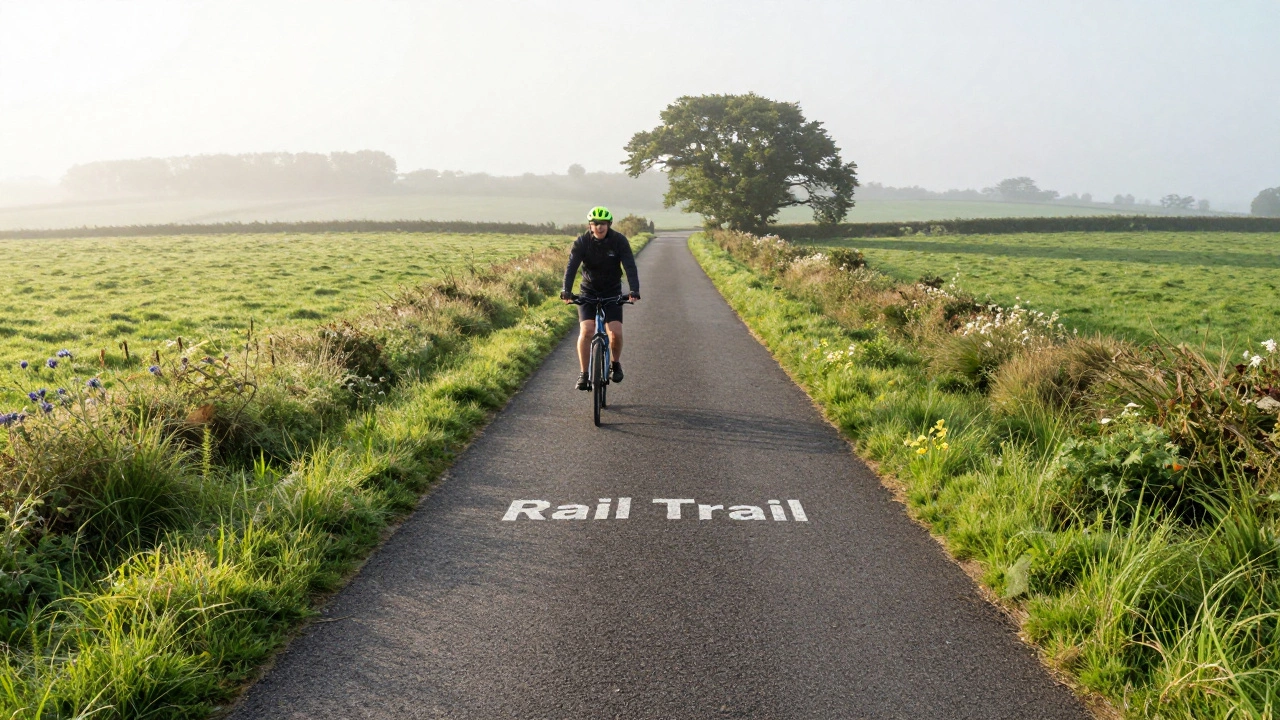
- Beginners: Look for "Rail Trails"-they are mostly flat because they follow old train tracks.
- Intermediate: Try mixed-surface paths with occasional elevation changes (200-500m).
- Advanced: Seek out "Century" loops or mountain passes with significant vertical gain.
- Families: Stick to off-road, paved greenways with plenty of restrooms and cafes.
Matching the Route to Your Gear
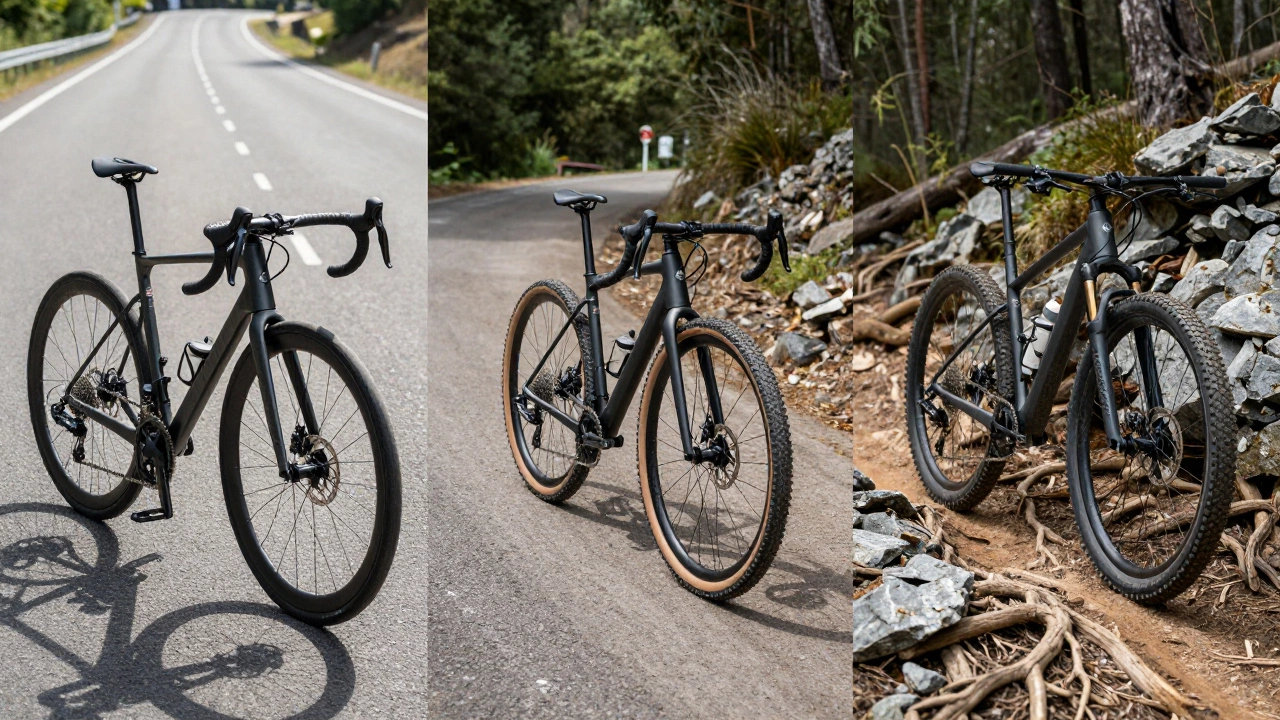
You wouldn't take a limousine off-roading, and you shouldn't take a carbon-fiber road bike on a gravel trail. The gear you own dictates where you can actually go. If you're riding a Road Bike, you need smooth asphalt. These bikes have thin tires designed for low rolling resistance, meaning they fly on the pavement but can easily puncture or slip on loose dirt.
On the flip side, if you have a Gravel Bike, the world opens up. These are the Swiss Army knives of cycling. They have wider tires and more stable geometry, allowing you to transition from a city street to a forest trail without stopping to change equipment. Then there's the Mountain Bike, built for the rugged stuff. With wide, knobby tires and heavy-duty suspension, these are the only choice for single-track trails where the ground is unpredictable.
| Bike Type | Best Route Surface | Difficulty Focus | Key Attribute |
|---|---|---|---|
| Road Bike | Paved roads, Cycleways | Speed & Distance | Lightweight |
| Gravel Bike | Dirt, crushed rock, asphalt | Versatility | All-terrain tires |
| Mountain Bike | Rocks, roots, steep slopes | Technical skill | Suspension |
| Hybrid/City | Parks, suburban paths | Comfort | Upright posture |
Digital Tools for Route Planning
Gone are the days of printing out a map and hoping for the best. Now, we have Strava, which is essentially the gold standard for seeing where other people actually ride. By using the "Heatmap" feature, you can see the most popular segments in your city. If a path is glowing bright red, it means hundreds of cyclists use it, which usually implies it's safe and well-maintained. It's a crowdsourced way to avoid the "wrong turns" that official maps sometimes miss.
For those who prefer a more curated experience, Komoot is fantastic for trip planning. Unlike a simple GPS, it analyzes the surface type. It will tell you if a path is sandy, paved, or cobbled, which prevents the disaster of bringing a road bike to a sandy beach path. If you're just looking for a quick loop, Google Maps is fine, but be careful-it sometimes suggests "shortcuts" that are actually steep hills or narrow alleys.
The Secret to Scouting New Terrain
How do you actually know if a route is "good" before you start pedaling? Start with the elevation profile. A route that looks short on a map might be a nightmare if it has a 10% grade for five kilometers. I always check the total ascent. If you're a casual rider, look for routes where the elevation gain is less than 10% of the total distance. For example, on a 50km ride, keep the climbing under 500 meters if you want a relaxing day.
Another pro tip: check the wind direction. If you're planning a long-distance ride, always try to ride *into* the wind on the way out and have a tailwind pushing you back home. There is nothing more demoralizing than fighting a 20km/h headwind for the last ten kilometers of a trip when your legs are already shot. You can find current wind speeds using apps like Windy or basic weather forecasts.
Safety and Logistics for Long Rides
When you find a great route, the logistics can make or break the experience. One of the biggest mistakes people make is ignoring "water gaps." A route might be beautiful, but if there are no shops or fountains for 30 kilometers, you're in trouble. Always map out your refill points. If you're heading into the mountains or remote countryside, carry at least two liters of water and some high-calorie snacks like dates or energy gels.
Safety isn't just about wearing a helmet-though you definitely should. It's about route awareness. When riding on shared roads, stay predictable. Use clear hand signals and avoid the "blind side" of parked cars where a door might suddenly open. If you're exploring a new trail alone, let someone know your intended path and your expected return time. It sounds overkill until you actually have a mechanical failure in a spot with no cell service.
Evaluating a Route's 'Quality'
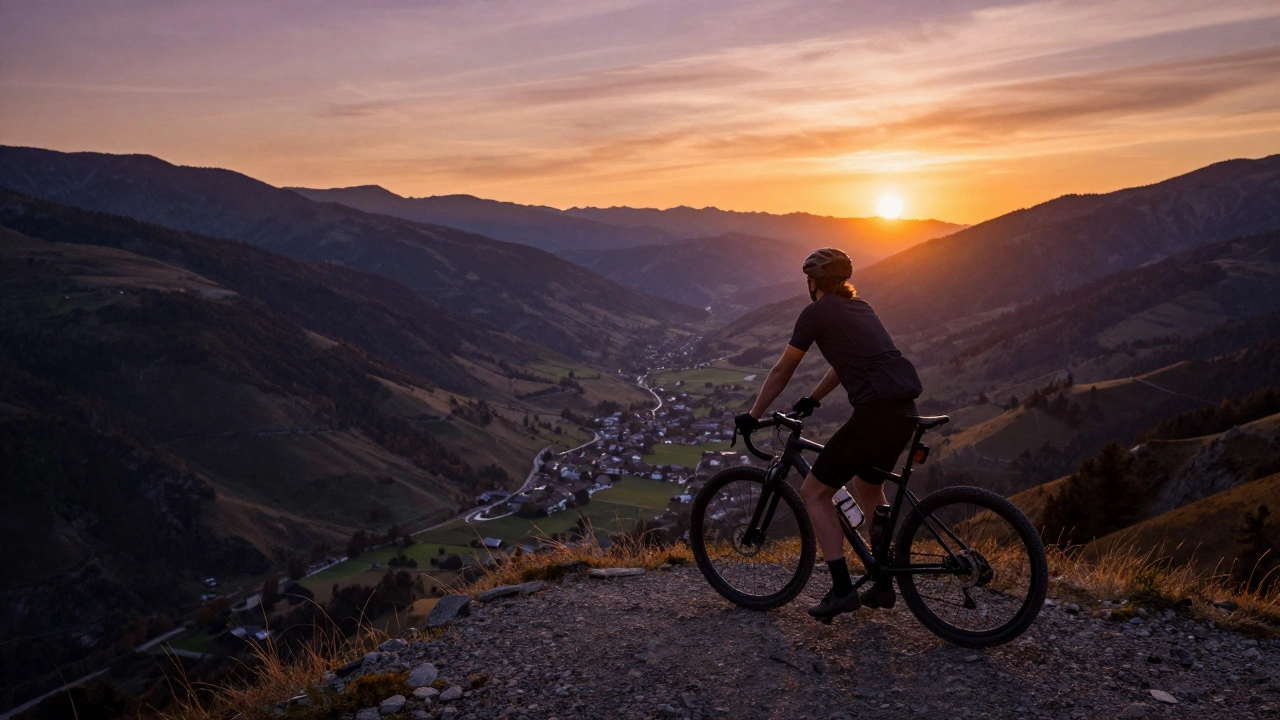
What actually makes a route "the best"? For most, it's the balance between challenge and reward. A route with a steep climb is only "best" if there's a breathtaking view or a great cafe at the top. If you're planning for others, consider the "recovery' sections. A great route isn't just one long slog; it's a series of challenges followed by flat sections where the heart rate can drop and you can actually chat with your riding partners.
Think about the surroundings too. Riding through a pine forest in the morning mist is a completely different experience than dodging traffic on a suburban boulevard. If you're stressed, prioritize "Greenways"-routes that follow parks or riverbanks. The psychological benefit of being around nature significantly lowers the perceived effort of the ride.
How do I find beginner-friendly routes in a new city?
The easiest way is to search for "Rail Trails" or "Greenways" in the local area. These are usually flat and separated from car traffic. You can also check the local council's website for "Cycle Maps," which highlight dedicated bike lanes. Using the Strava Heatmap is also a great way to see where locals actually ride.
What is the difference between a cycleway and a bike lane?
A bike lane is typically a painted strip on a road used by cars. A cycleway is often a separate path, completely detached from the road, which provides much higher safety and less noise. Whenever possible, choose cycleways over bike lanes for a more relaxing experience.
How much elevation gain is too much for a beginner?
For most beginners, a total ascent of 200 to 400 meters over a 20-30km ride is manageable. If you see a route with "climbing" over 1,000 meters, expect a very challenging day that will require frequent breaks and a higher level of cardiovascular fitness.
Do I need a GPS device for these routes?
A smartphone is usually enough for short, urban rides. However, for long-distance or remote routes, a dedicated GPS device (like a Garmin or Wahoo) is better because it has a much longer battery life and is more durable against rain and shocks.
What should I do if I get lost on a trail?
First, stop and stay calm. Check your digital map to see where you diverged from the path. If you have no signal, try to backtrack to the last landmark you recognized. This is why it's vital to tell someone your route before you leave; they can help emergency services find you if you're truly stuck.
Next Steps for Your Next Ride
If you're feeling bold, try a "contrast ride." Spend one weekend on a perfectly paved city loop and the next on a rugged gravel path. This will help you realize which environment you actually enjoy more, which might lead you to upgrade your gear. If you've mastered your local area, look for "cycling tourism" hubs in your region-these are towns specifically designed to welcome bikers with dedicated signage and bike-friendly hotels.
For those struggling with endurance, don't jump into a 50km route immediately. Start with a 10km loop, get comfortable with the navigation, and add 5km to your distance every week. Your legs will thank you, and you'll avoid the burnout that comes from over-ambitious route planning.