Stamina Progress Tracker
Your Stamina Goals
How This Works
The article recommends increasing your activity time by 5-10% weekly for sustainable stamina building. This tool calculates your exact target based on your current routine.
Your Weekly Progress
Tip: Track your progress for 4 weeks to see real stamina improvements.
Next Week Goal: Increase by 5-10% for sustainable progress.
Stamina Building Tips
Consistency
Show up regularly. Even 15 minutes builds more stamina than one long session.
Gradual Increase
Add only 5-10% to your activity time weekly. No need to push harder.
Recovery
Rest is part of the process. Your body builds stamina during recovery.
Stamina isn’t something you’re born with-it’s something you build, one step, one breath, one sweat-soaked day at a time. If you’ve ever felt winded after climbing a flight of stairs, or hit a wall halfway through your run, you’re not weak. You just haven’t trained your body to hold up under pressure yet. The good news? You can fix that. And you don’t need fancy gear, expensive supplements, or hours in the gym to start seeing real progress.
What stamina really means (and what it doesn’t)
Stamina isn’t just about running longer. It’s your body’s ability to keep going-mentally and physically-without crashing. It’s the difference between finishing your 5K feeling strong versus needing to stop and walk. It’s being able to play with your kids all afternoon without needing a nap. It’s showing up for your third workout this week and still having energy left.
People often confuse stamina with strength. Strength is how much weight you can lift. Stamina is how long you can keep lifting it-or running, cycling, swimming, or hiking. Your heart, lungs, and muscles all need to work together efficiently. That’s what stamina is: efficiency under load.
Start with consistent movement-not intensity
Most people try to build stamina by going all out on day one. They sprint. They do HIIT. They push until they’re dizzy. And then they quit because they’re sore, exhausted, or both. That’s not training. That’s punishment.
The real secret? Show up regularly. Do something active most days-even if it’s just 20 minutes. Walk briskly. Ride a bike around the park. Swim laps. Dance in your living room. The goal isn’t to burn calories or break records. It’s to teach your body that movement is normal, safe, and sustainable.
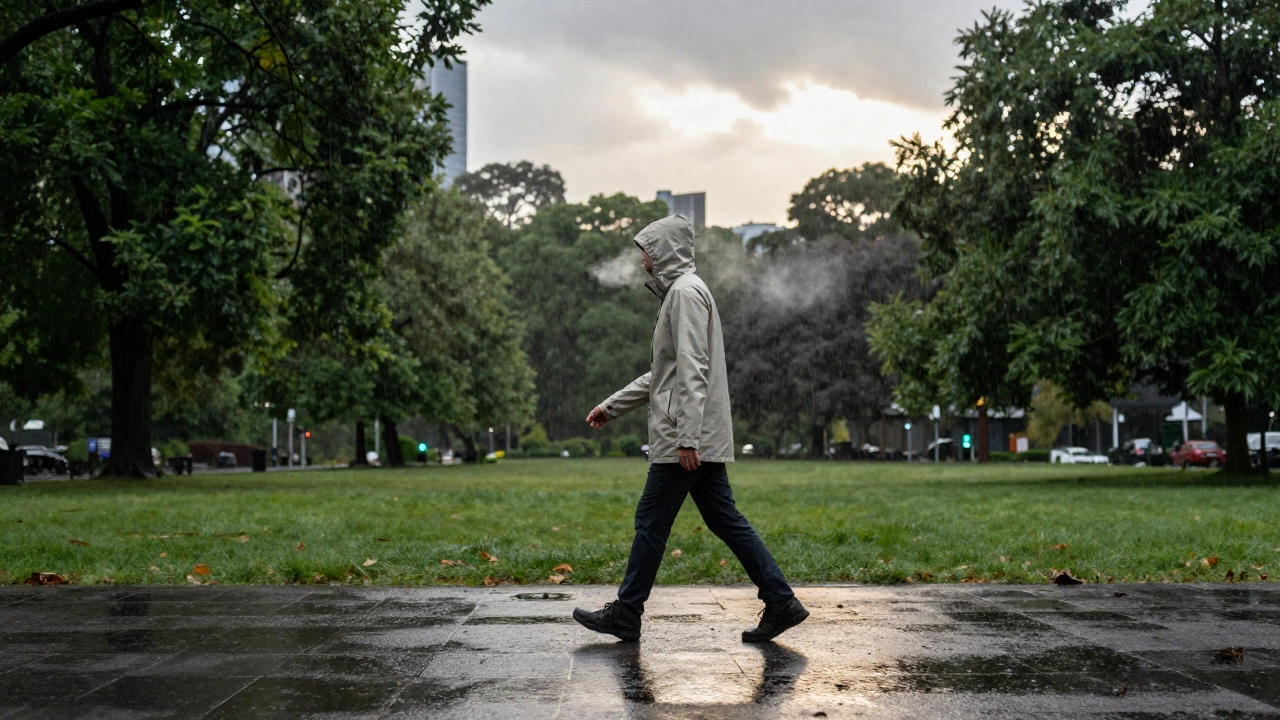
In Melbourne, where weather changes fast, I’ve seen people skip workouts because it’s raining or too cold. But consistency doesn’t mean perfect conditions. It means showing up in whatever way you can. A 15-minute walk in the drizzle builds more stamina than a 60-minute gym session once a week.
Gradually increase time, not speed
Once you’re moving regularly, it’s time to grow. But growth doesn’t mean sprinting faster. It means staying at the same pace for longer.
Here’s a simple rule: Add 5-10% to your activity time each week. If you walked for 20 minutes last week, aim for 22-25 this week. If you ran for 15 minutes, try 17-18 next time. Keep the effort level the same-your heart rate should feel manageable, like you could talk but not sing.
This slow build is what actually trains your body. Your muscles learn to use oxygen better. Your heart gets stronger without overloading. Your lungs expand their capacity. And your brain starts believing you can do more than you thought.
Most people quit because they don’t see results fast enough. But stamina doesn’t work like muscle gain. You won’t notice changes day to day. You’ll notice them after four weeks. Then eight. Then suddenly-you’re climbing hills without stopping.
Train your breathing
Here’s something most people ignore: stamina isn’t just about your legs or your heart. It’s about your breath.
When you get winded, it’s not always because your muscles are tired. Often, it’s because you’re breathing too shallow or too fast. Your body panics, oxygen drops, and you feel like you’re about to collapse.
Practice diaphragmatic breathing. Lie on your back, place one hand on your chest and one on your belly. Breathe in slowly through your nose so your belly rises, not your chest. Exhale through your mouth, letting your belly fall. Do this for 3 minutes every morning.
Then, during your walks or runs, try this rhythm: inhale for three steps, exhale for three steps. If that feels too hard, try two-in, two-out. The goal isn’t perfection. It’s rhythm. Your body will thank you.

Build stamina with low-impact cardio
You don’t need to run to build stamina. In fact, if you’re carrying extra weight, recovering from injury, or just tired of pounding pavement, low-impact options are smarter.
- Swimming: Full-body workout with zero joint stress. Even 20 minutes of steady laps builds endurance fast.
- Cycling: Ride at a steady pace-no sprints. Focus on keeping your heart rate up for 30+ minutes.
- Rowing machine: Great for upper and lower body stamina. Start with 10-minute intervals.
- Elliptical: Mimics running without impact. Keep resistance moderate and pace steady.
I’ve worked with clients who couldn’t walk 10 minutes without stopping. After six weeks of swimming three times a week, they were hiking up Dandenong Ranges without needing a break. It’s not magic. It’s consistency.
Strength training helps stamina too
Yes, you read that right. Lifting weights builds stamina.
Why? Because stronger muscles use less energy to do the same job. If your legs are weak, every step takes more effort. If your core is weak, your posture collapses and you waste energy just staying upright.
Don’t go heavy. Focus on bodyweight moves: squats, lunges, push-ups, planks. Do three sets of 10-15 reps, two or three times a week. Rest 30-60 seconds between sets.
These aren’t for muscle size. They’re for endurance. Think of them as stamina training with resistance. Your body learns to hold positions longer, move more efficiently, and recover faster between efforts.
Recovery isn’t optional-it’s part of the process
People think stamina comes from pushing harder. But it comes from recovering smarter.
Your body builds stamina while you rest. That’s when your muscles repair, your heart gets stronger, and your energy systems improve. If you’re training hard every day with no break, you’re not building stamina-you’re burning out.
Take at least one full rest day a week. On other days, do active recovery: a slow walk, gentle yoga, stretching. Sleep is non-negotiable. Aim for 7-8 hours. Poor sleep kills stamina faster than skipping a workout.
Hydration matters too. Even mild dehydration makes your heart work harder. Drink water all day-not just when you’re thirsty. In Melbourne’s dry winters, you lose more fluid than you realize.

Track progress, not perfection
Stamina gains are subtle. You won’t see them in the mirror. You’ll feel them in your daily life.
Keep a simple log: date, activity, time, how you felt. After four weeks, look back. Did you go from walking 15 minutes to 30? Did you stop needing to rest on the stairs? Did you feel less tired after work?
Those are your wins. Not pounds lost. Not miles run. Just the quiet, steady improvement of being able to do more without giving up.
What kills stamina (and how to avoid it)
Here are the three biggest stamina killers:
- Skipping warm-ups: Jumping straight into hard effort shocks your system. Spend 5-10 minutes moving gently first-arm circles, leg swings, walking.
- Dehydration and poor nutrition: Your body needs fuel to keep going. Eat balanced meals with carbs, protein, and healthy fats. Avoid sugar crashes.
- Chronic stress: High cortisol levels drain energy. If you’re always stressed, your body thinks it’s in survival mode. It won’t invest in endurance. Manage stress with breathing, sleep, and time outdoors.
Stamina isn’t built in isolation. It’s built through habits that support your whole system.
Real-life stamina: what it looks like after 8 weeks
Here’s what happens when people stick with it:
- They carry groceries without needing to rest.
- They can walk up a hill without gasping.
- They finish a movie without feeling drained.
- They sleep better and wake up feeling rested.
- They say yes to hikes, bike rides, weekend trips-because they know they’ll have the energy.
This isn’t about becoming an athlete. It’s about becoming someone who doesn’t get tired doing ordinary things.
Final thought: stamina is a habit, not a goal
You don’t build stamina to run a marathon. You build it so you can enjoy life without being held back by fatigue. It’s the quiet superpower that lets you show up-fully-for your job, your family, your hobbies, your future self.
Start small. Stay consistent. Trust the process. And don’t wait for motivation. Motivation fades. Discipline sticks. And discipline, over time, builds stamina-slowly, steadily, and for good.
How long does it take to build stamina?
You’ll notice small improvements in 2-3 weeks, like walking longer without stopping. Real, noticeable stamina gains-like climbing stairs without windedness-usually show up after 6-8 weeks of consistent effort. It’s not about speed. It’s about showing up regularly.
Can I build stamina without running?
Absolutely. Running is just one option. Swimming, cycling, rowing, brisk walking, dancing, and even stair climbing all build stamina. Choose what you enjoy and can stick with. The best exercise is the one you’ll actually do.
Does diet affect stamina?
Yes. Your body needs fuel to keep going. Focus on whole foods: oats, sweet potatoes, beans, eggs, lean meats, fruits, and vegetables. Avoid sugary snacks-they give you a quick burst, then a crash. Eat balanced meals every 3-4 hours to keep energy steady.
Is it normal to feel tired when building stamina?
Yes, especially at first. Feeling tired means your body is adapting. But if you’re exhausted all day, sleeping poorly, or feeling sore for days, you’re pushing too hard. Back off. Rest. Then come back stronger. Recovery is part of the training.
What’s the best time of day to train for stamina?
There’s no magic time. Morning workouts can boost your energy for the day. Evening workouts help you unwind. The best time is whenever you can do it consistently. Don’t wait for the perfect moment. Just start.