Busy Person's Fitness & Nutrition Planner
Stop waiting for motivation. Plan small, consistent shifts that stick.
Enter your details to see your personalized micro-movement and nutrition targets.
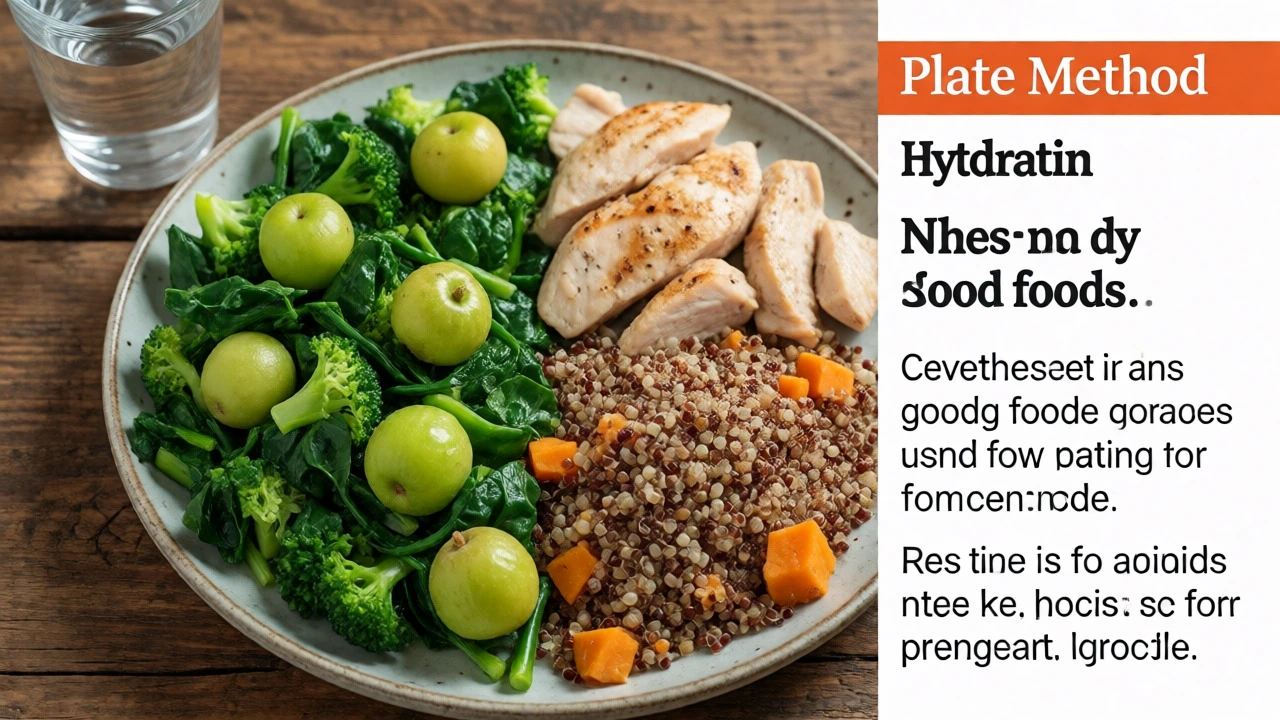
The Simple Plate Method
Nutrition is about addition, not subtraction. Fill half your plate with veggies to stay full longer without counting calories.
1/2
1/4
1/4
- Vegetables & Fruits High Fiber
- Lean Protein Muscle Preservation
- Complex Carbs Steady Energy
You’re not lazy. You’re just busy. That’s the truth most people ignore when they start a new health journey. You want to be fit, but between work deadlines, family duties, and the sheer exhaustion of modern life, finding time feels impossible. The problem isn’t that you don’t know what to do; it’s that most advice assumes you have three hours a day and a personal chef. Here’s the reality: getting healthy doesn’t require a radical overhaul. It requires small, consistent shifts that stick. If you can change how you move, eat, and sleep for just twenty minutes a day, you’ll see results faster than you think.
Stop Waiting for Motivation
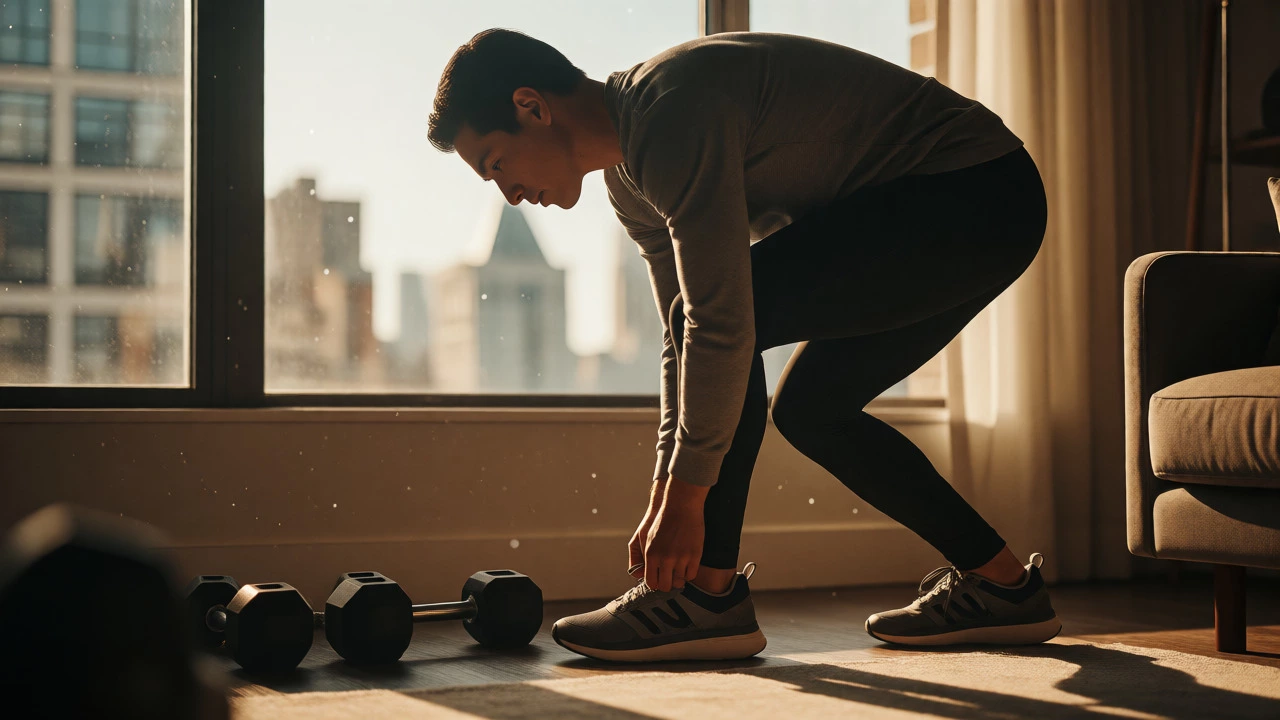
Motivation is fickle. It shows up on January 1st and vanishes by January 15th. Discipline is reliable, but discipline is hard to build from scratch. So, stop trying to force yourself to love running or lifting weights if you hate them. Pick something you can tolerate, then make it easy to start. This is the "two-minute rule." If you need to go for a run, your only goal is to put on your shoes and step outside. Once you’re out, you might stay for five minutes. Or ten. It doesn’t matter. The win is showing up. Over time, the action becomes automatic, and you stop fighting yourself every morning.
Nutrition Is About Addition, Not Subtraction
Diet culture loves telling you what to cut out. No carbs. No sugar. No fun. But cutting things out creates hunger and resentment. Instead, focus on adding good stuff. Eat more protein at breakfast. Add a serving of vegetables to lunch. Drink water before every meal. When you fill up on nutrient-dense foods, you naturally eat less junk because you’re already full. It’s simpler than counting calories. Think of your plate as a canvas. Half of it should be veggies. A quarter protein. A quarter carbs. If you follow this rough ratio, you don’t need a spreadsheet to stay on track.
| Food Group | Portion Size | Why It Matters |
|---|---|---|
| Vegetables & Fruits | 1/2 of plate | High fiber keeps you full longer |
| Lean Protein | 1/4 of plate | Preserves muscle mass during weight loss |
| Complex Carbs | 1/4 of plate | Provides steady energy without crashes |
Move More, Exercise Less (Sometimes)
We obsess over workouts, but daily movement matters more for long-term health. Sitting for eight hours straight does damage that one hour in the gym can’t fully fix. Stand up every hour. Walk while talking on the phone. Take the stairs. These micro-movements add up to hundreds of extra calories burned and better joint health. When you do exercise, mix it up. Your body adapts quickly to the same routine. Try strength training twice a week to boost metabolism, and do some cardio-like brisk walking or cycling-to keep your heart strong. You don’t need a marathon plan. You need consistency.
Sleep Is Your Secret Weapon
You can eat perfectly and train hard, but if you’re sleeping four hours a night, you won’t get far. Sleep regulates hormones that control hunger. Lack of sleep spikes ghrelin (the hunger hormone) and lowers leptin (the fullness hormone). You literally crave more food when you’re tired. Aim for seven to nine hours. Create a bedtime ritual: no screens an hour before bed, cool room temperature, and a dark environment. Treat sleep like a non-negotiable appointment. It’s not a luxury; it’s the foundation that lets everything else work.
Manage Stress Before It Manages You
Stress triggers cortisol, a hormone that encourages fat storage, especially around the belly. High stress also ruins decision-making. You’re more likely to grab fast food or skip the gym when you’re overwhelmed. Find a quick reset button. Five minutes of deep breathing works. A short walk outside helps. Writing down worries clears mental clutter. You don’t need to meditate for an hour. Just find one thing that calms your nervous system and use it daily. Lowering stress makes sticking to your fitness goals easier because you have more mental bandwidth to say yes to good choices.

Track Progress Without Obsessing
Don’t weigh yourself every day. Water retention and digestion cause fluctuations that mean nothing. Weigh once a week, same time, same conditions. Better yet, track how your clothes fit. Are your jeans looser? Can you climb stairs without gasping? Those are real wins. Use a simple app or a notebook to log workouts and meals. Data helps spot patterns. Maybe you notice you feel sluggish after eating heavy lunches. Adjust accordingly. Progress isn’t linear. Some weeks you’ll plateau. Keep going. The trend line matters, not the daily blip.
Frequently Asked Questions
Do I need to go to the gym to get fit?
No. Bodyweight exercises like push-ups, squats, and planks are highly effective. Walking, jogging, or dancing also count. Consistency matters more than location. Many people achieve excellent fitness levels using home workouts or outdoor activities alone.
How long does it take to see results?
You may feel more energetic within two weeks. Visible physical changes typically appear after four to six weeks of consistent effort. Strength improvements often happen sooner, within the first month, due to neurological adaptations.
Is it okay to eat snacks?
Yes, if they support your goals. Snacks can prevent overeating at main meals. Choose options with protein and fiber, like Greek yogurt, nuts, or fruit. Avoid high-sugar processed snacks that cause energy crashes.
What if I miss a workout?
Don’t panic. One missed session doesn’t ruin progress. Get back on track immediately. Skipping a workout occasionally is normal. What matters is avoiding a streak of skipped days. Resume your routine the next scheduled day.
Do supplements help with fitness?
Most people get enough nutrients from food. Supplements like whey protein or creatine can help specific groups, such as athletes or older adults. They aren’t magic pills. Focus on whole foods first. Consult a doctor before starting any new supplement regimen.