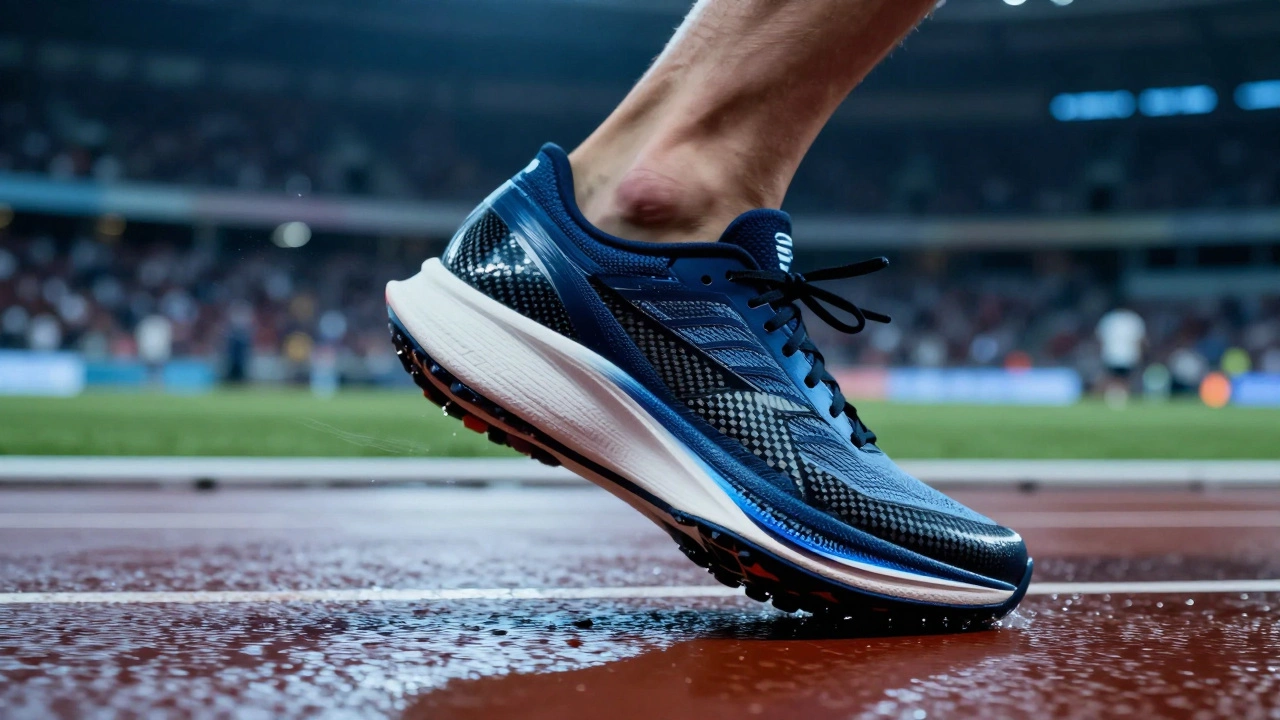
You’ve probably seen it happen on TV or in your local park. An athlete steps onto the field wearing a sleek pair of spikes, grips a carbon-fiber racket, or straps into a high-tech helmet. It looks like fashion, but it’s actually engineering. Sports equipment is specialized gear designed to enhance athletic performance, ensure safety, and facilitate the rules of play. Whether you are a weekend warrior playing pickup basketball or a professional competing at the Olympics, the tools you use dictate how fast you move, how hard you hit, and how safe you stay. We often think of sports as purely physical-muscles, lungs, and heart rate. But that’s only half the story. The other half is the interface between your body and the environment. A tennis ball doesn’t just bounce; its felt texture and internal pressure determine spin rates. A running shoe doesn’t just cover your foot; its foam density dictates energy return. Understanding how this gear works changes everything about how you train and compete.
The Physics of Enhancement: How Gear Boosts Speed and Power
The primary reason we use specialized equipment is to overcome biological limits. Human muscles have a ceiling for force production and speed. Equipment acts as a lever, extending our reach and amplifying our output. Take carbon fiber, for example. This material is lightweight yet incredibly stiff. When used in bicycle frames or running shoes, it stores kinetic energy when you push down and releases it as you lift off, effectively giving you a free boost with every stride or pedal stroke.
In racket sports, the concept of the "sweet spot" has been expanded through modern design. Older wooden rackets had a tiny sweet spot, meaning any off-center hit resulted in vibration and loss of power. Modern graphite composites allow manufacturers to create larger head sizes and flexible shafts. This means you can generate more topspin and power even if you don’t make perfect contact. For a recreational player, this forgiveness makes the game enjoyable. For a pro, it allows for aggressive shots that were physically impossible twenty years ago.
Consider swimming. Water resistance is immense. A swimmer’s body shape creates drag. Swim caps aren't just for keeping hair out of your face; they smooth the head's surface area, reducing turbulence. Similarly, high-tech swimsuits made from polyurethane materials compress the body and reduce muscle oscillation, which saves energy over long distances. These aren't cheating devices; they are efficiency tools that allow athletes to focus their energy on propulsion rather than fighting friction.
Safety First: The Evolution of Protective Gear
If performance is about going faster, safety is about staying in the game. The history of sports equipment is also a history of injury prevention. In the early days of American football, players wore little more than leather helmets that offered minimal protection against concussions. Today, football helmets are complex systems featuring multi-density liners, rotational impact sensors, and advanced shell geometries designed to dissipate force away from the skull.
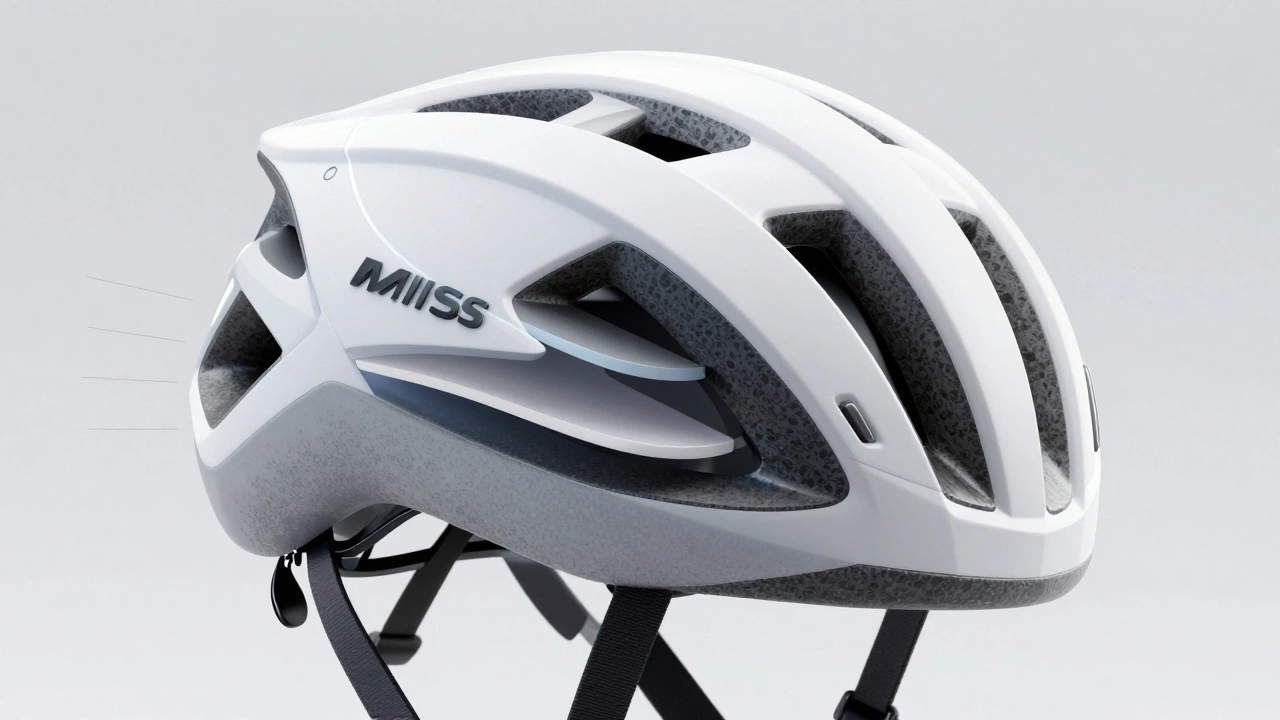
This evolution isn't just about padding. It’s about biomechanics. In cycling, helmets have moved beyond simple polystyrene foam. Newer designs incorporate MIPS (Multi-directional Impact Protection System) technology, which allows the inner layer to slide relative to the outer shell during an angled impact. This reduces rotational forces transmitted to the brain, significantly lowering the risk of severe concussion.
Even in non-contact sports, protection is critical. In martial arts like boxing or MMA, gloves serve a dual purpose. They protect the opponent’s face, yes, but they also protect the striker’s hands. Without padded gloves, punching a dense target like a human head would likely break the boxer’s metacarpals. The equipment distributes the force across a larger surface area, making repeated strikes sustainable for both parties. This balance ensures the sport remains viable without causing immediate career-ending injuries.
Technique Correction: How Tools Shape Movement
Equipment doesn’t just help you perform better; it teaches you how to move. In coaching, we often use specific tools to correct bad habits. For instance, in golf, alignment sticks or laser guides are placed on the ground to ensure a golfer’s stance is square to the target. If the clubface is misaligned, the ball goes astray. The tool provides immediate visual feedback, forcing the brain to adjust motor patterns.
In baseball, batting tees and weighted bats are standard training aids. A tee holds the ball in a fixed position, allowing hitters to practice their swing mechanics without worrying about timing a moving object. Weighted bats change the inertia of the swing, helping players develop strength and speed in their wrists and forearms. When they switch back to a regular bat, it feels lighter, and their swing speed increases-a phenomenon known as post-activation potentiation.
Even footwear influences technique. Runners who wear minimalist shoes, which have thin soles and no heel drop, are forced to land on the midfoot or forefoot. This naturally shortens their stride and encourages a higher cadence, which many experts believe reduces joint impact compared to heavy, cushioned heels. The equipment literally rewires your gait.
Fairness and Regulation: The Line Between Tech and Cheating
As equipment becomes more advanced, a big question arises: where do we draw the line? Governing bodies like the International Olympic Committee (IOC) or the World Health Organization (WHO) set strict standards to ensure competition remains fair. If one team can buy gear that gives them an unfair advantage, the integrity of the sport suffers.
We saw this controversy in swimming with the LZR Racer suits in the mid-2000s. These full-body suits were so effective at reducing drag that nearly every world record was broken within a single year. Critics argued it was "technological doping." Eventually, regulations were tightened to limit suit coverage and material thickness. Now, suits must meet specific permeability standards to ensure they don’t provide buoyancy advantages.
In cricket, the weight and size of the bat are strictly regulated. You can’t just make a bat infinitely large to increase the chance of hitting the ball. In tennis, racket string tension and frame stiffness are monitored. These rules exist not to stifle innovation, but to keep the focus on human skill. The best athlete should win, not the one with the most expensive laboratory-designed gear.
Mental Confidence: The Placebo Effect of Gear
Let’s talk about psychology. There is a real, measurable link between what you wear and how you feel. This is sometimes called "enclothed cognition." When an athlete puts on their competition kit-their lucky jersey, their brand-new cleats-they experience a spike in confidence. They feel prepared. They feel professional.
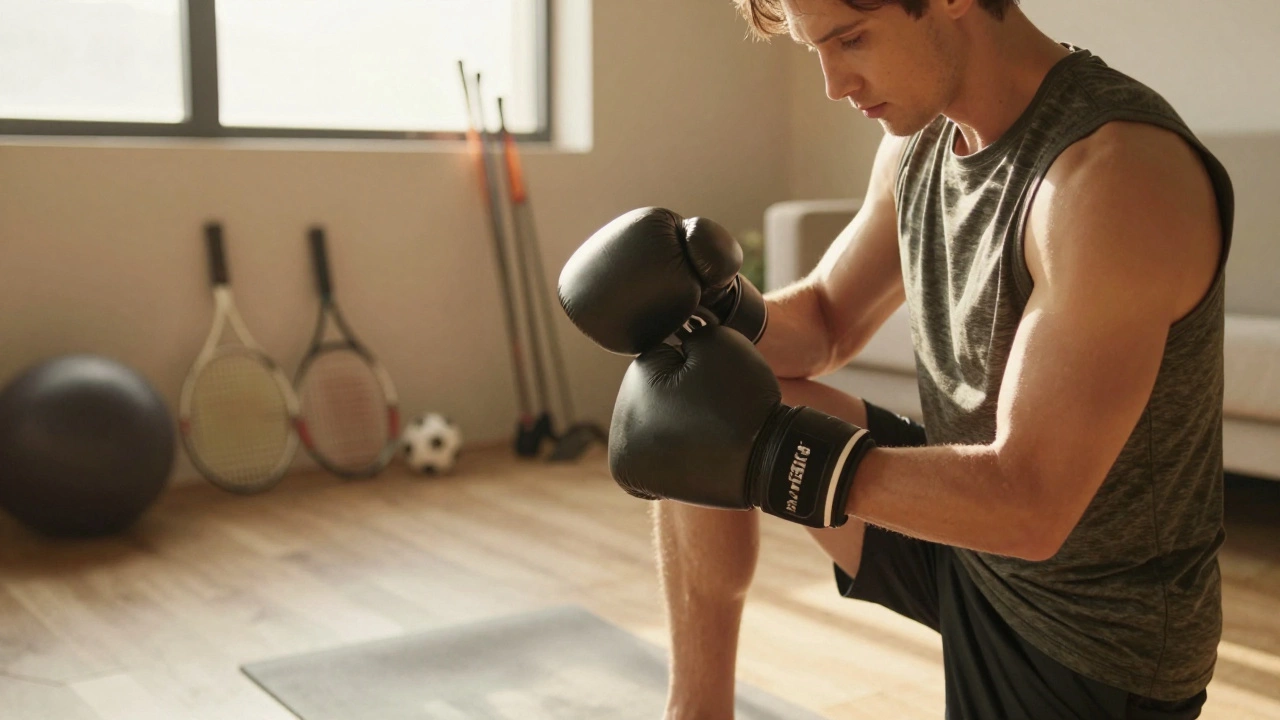
For beginners, this effect is powerful. Buying your first proper pair of boxing gloves or a dedicated yoga mat signals commitment. It separates "playtime" from "training time." This mental shift improves focus and discipline. You’re less likely to cut corners in your warm-up when you’re wearing gear specifically designed for the task. The equipment becomes a ritual, anchoring you in the present moment and readying your mind for physical exertion.
| Sport | Key Equipment | Primary Function | Performance Impact |
|---|---|---|---|
| Running | Carbon-plated Shoes | Energetic Return | Reduces oxygen consumption by ~4% |
| Cycling | Aero Helmets | Drag Reduction | Saves watts at high speeds |
| Tennis | Graphite Rackets | Power & Spin | Larger sweet spot, less arm strain |
| Football | Composite Cleats | Traction | Prevents slipping during cuts |
| Golf | Forged Irons | Feel & Control | Better feedback on mishits |
Choosing the Right Gear: Practical Advice
So, how do you pick the right equipment? Don’t just buy the most expensive thing on the shelf. Start with fit. Ill-fitting gear causes blisters, chafing, and even nerve damage. A runner’s shoe that is too narrow will restrict blood flow; a cyclist’s saddle that is wrong for their sit bones will cause numbness. Go to a specialist store that offers fitting services.
Next, consider your level. Beginners benefit from forgiving, durable gear. A novice golfer doesn’t need custom-fitted drivers; they need clubs that help them get the ball airborne consistently. As your skills improve, you’ll crave more control and feedback, which often comes with specialized, less forgiving equipment. Finally, prioritize safety certifications. Look for helmets certified by CPSC or ASTM standards, and ensure protective pads meet the specific requirements of your sport’s governing body.
Does expensive sports equipment really make a difference?
Yes, but with diminishing returns. High-end gear offers marginal gains in performance, such as better energy return in shoes or lighter weight in rackets. However, for beginners, mid-range equipment often provides 90% of the benefits at half the price. The biggest factor is usually proper fit, not the brand logo.
How often should I replace my sports equipment?
It depends on usage. Running shoes typically lose their cushioning after 500-800 kilometers. Tennis strings lose tension and elasticity after a few weeks of play. Helmets should be replaced immediately after any significant impact, even if there is no visible damage, because the internal foam may be compromised.
Can equipment prevent injuries completely?
No equipment can guarantee zero injuries. Proper gear significantly reduces the risk and severity of trauma, but technique, conditioning, and rest are equally important. Equipment is a safeguard, not a magic shield. Always combine good gear with smart training practices.
Is it worth buying custom-fitted equipment?
For serious athletes, yes. Custom orthotics for runners or fitted saddles for cyclists can resolve chronic pain issues and improve efficiency. For casual players, standard sizes with adjustable features are usually sufficient and more cost-effective.
What is the most important piece of equipment for any sport?
Proper footwear. Your feet are the foundation of almost all athletic movement. Whether you are running, jumping, or cutting, the support, traction, and stability provided by your shoes directly affect your entire kinetic chain, influencing knee, hip, and back health.