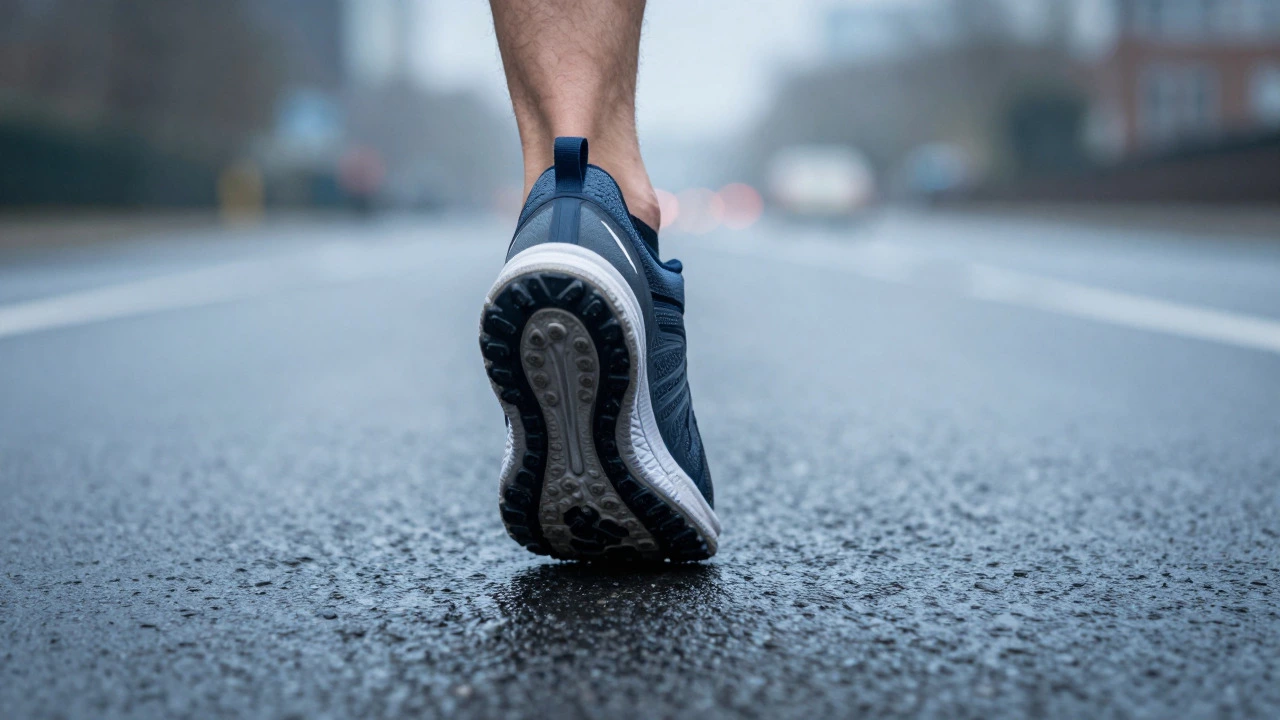
Running Shoe Lifespan Calculator
Estimate Your Shoe Replacement Date
Your Shoe Lifecycle Estimate
There is a specific moment in every runner’s life when their favorite pair of shoes stops feeling like an extension of their body and starts feeling like a trap. It doesn’t happen all at once. One day you are flying down the track; the next, your shins ache after a short jog, or your knees feel stiff the morning after a long run. Most runners blame their training volume or their aging joints. But the real culprit is often sitting on your doorstep, looking perfectly fine from the outside.
The question isn't just about aesthetics. Worn-out footwear changes how your foot strikes the ground, altering biomechanics in ways that lead to overuse injuries. Knowing exactly when to replace running shoes is one of the most effective, low-cost strategies for staying injury-free. It is not a mystery, but it requires understanding the difference between visual wear and structural failure.
The 500-to-800 Mile Rule
The mileage guideline is the standard metric used by sports scientists and podiatrists to determine shoe lifespan based on distance traveled. For the average runner, this window sits between 500 and 800 miles (approximately 800 to 1300 kilometers).
This range exists because no two runners are identical. Your weight, your stride mechanics, and the type of surface you run on all dictate how quickly the materials break down. A lighter runner with a neutral gait might squeeze 800 miles out of a durable daily trainer. A heavier runner who pronates heavily or runs exclusively on abrasive asphalt might see the cushioning die at the 400-mile mark.
To use this rule effectively, you need to track your distance. If you run five times a week for five miles each time, you are logging 25 miles weekly. At that pace, you will hit the 500-mile threshold in roughly eight months. If you ignore this number, you aren't just wasting money on dead weight; you are increasing your risk of stress fractures and plantar fasciitis.
Why Midsole Compression Matters More Than Outsoles
Most people look at the bottom of their shoe to decide if it is time to retire them. They check for holes or smooth rubber. This is a mistake. The outsole is made of tough carbon rubber or blown rubber designed to last. The part that fails first is the midsole-the foam layer sandwiched between your foot and the ground.
Midsole foam, such as EVA or polyurethane, undergoes permanent compression set over time. When new, the foam cells bounce back after each step. Over hundreds of miles, those cells collapse and lose their elasticity. The foam becomes dense and hard, transferring more impact force directly into your bones and joints.
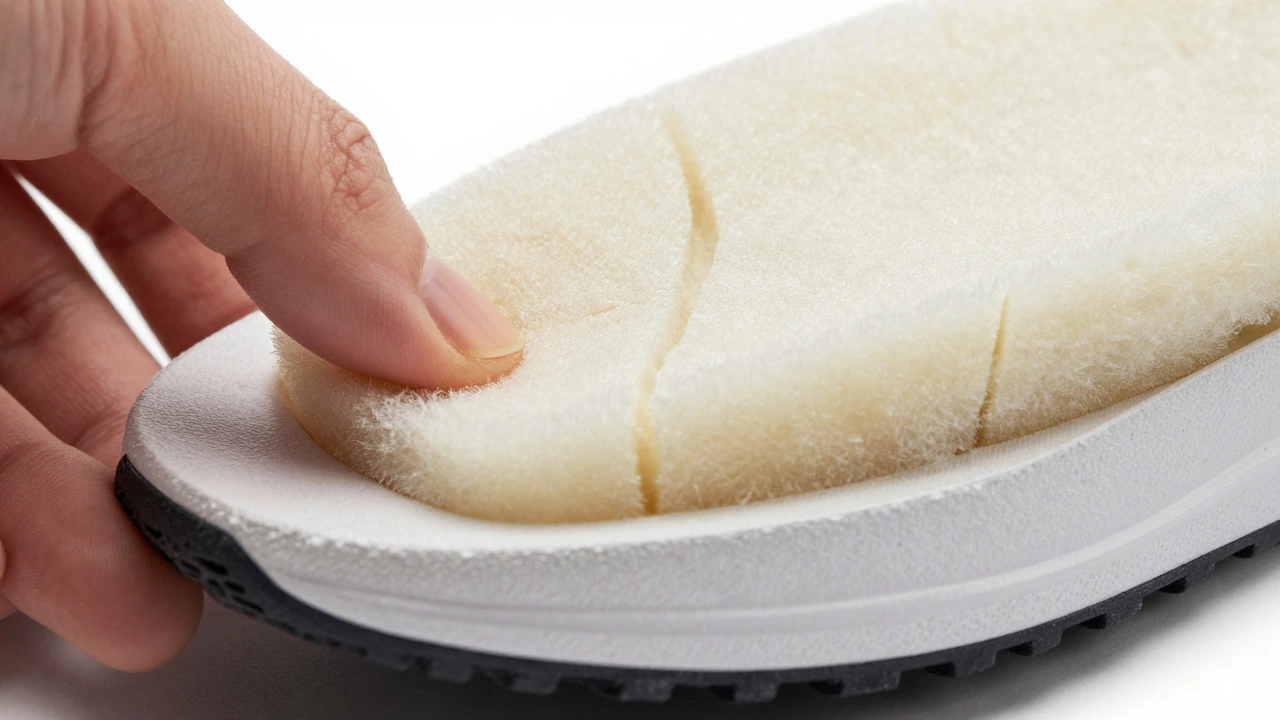
You can test this yourself with a simple finger press. Find a clean spot on the side of the midsole. Press your thumb into the foam. If it feels spongy and springs back, you have some life left. If it feels rock-hard or leaves an indentation that doesn't recover, the shock absorption is gone. Even if the tread looks brand new, the shoe is mechanically dead.
Signs Your Shoes Are Done
Since tracking every mile can be tedious, you should learn to read the physical signals your gear sends. Here are the concrete indicators that it is time to shop:
- Visible Creasing: Look at the forefoot area where the shoe bends. Deep, permanent creases in the midsole indicate that the foam structure has fractured. These cracks allow water in and reduce flexibility control.
- Asymmetric Wear Patterns: Stand your shoes up and look at them from behind. If one heel is tilted significantly more than the other, the internal support has collapsed. This forces your ankle to compensate, leading to instability.
- New Aches:**: If you start a new training cycle with old shoes and suddenly develop shin splints or knee pain, stop and inspect the footwear. Your body is telling you the protection is insufficient for the load.
- Upper Material Fatigue:**: While less critical than the sole, a torn upper mesh or a detached heel counter can cause blisters and lack of stability. If the shoe feels loose or sloppy, it is time to move on.
Factors That Accelerate Wear
Not all miles are created equal. Several variables can shorten the lifespan of your running shoes significantly below the 500-mile average.
Runner Weight
Physics is unforgiving. Heavier runners exert more downward force with every stride. If you weigh over 200 pounds (90 kg), you should lean toward the lower end of the mileage spectrum. Consider replacing your shoes closer to 400-500 miles. The extra mass compresses the foam faster, reducing its ability to rebound.
Running Surface
Where you run matters as much as how far. Asphalt and concrete are abrasive. They grind down the outsole rubber and vibrate through the midsole. Trail running is different; while the terrain is uneven, the softer dirt and roots are generally gentler on the foam, though they may tear the upper fabric more easily. Track surfaces are the easiest on shoes, potentially extending their life beyond 800 miles.
Foot Strike Mechanics
Your gait determines where the stress concentrates. Heel strikers tend to wear down the rear midsole quickly. Forefoot strikers destroy the toe box and forefoot cushioning. If you have a severe overpronation or supination, the foam on one side of the shoe will compress faster than the other, creating an imbalance that ruins the shoe's geometry well before the total mileage adds up.
The Rotation Strategy
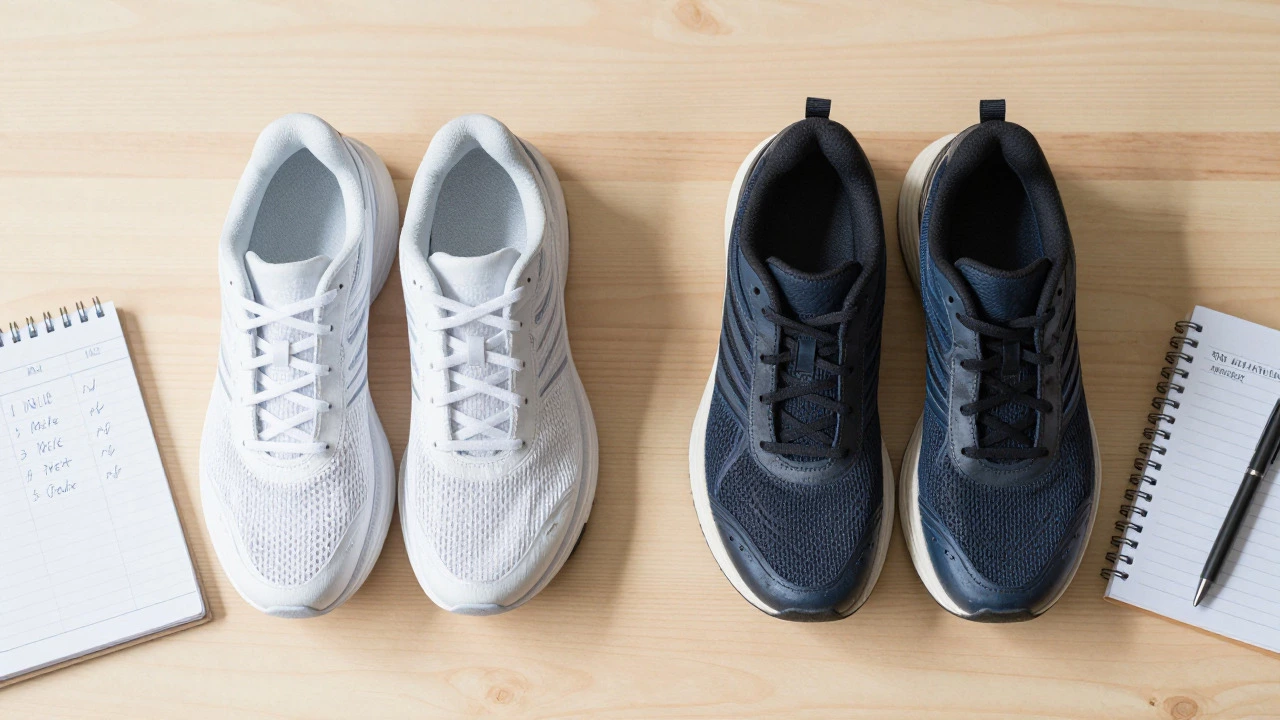
If you want to maximize the value of your investment and keep your legs fresh, consider rotating between two pairs of shoes. This is a common practice among marathoners and serious enthusiasts.
When you alternate pairs, you give the foam in the first pair 24 to 48 hours to decompress and return to its original shape. Foam needs time to recover its cellular structure. By splitting your weekly mileage across two pairs, you effectively double the calendar life of each pair, even if the total mileage remains the same. Plus, varying the stack height and drop slightly can help strengthen different muscles in your feet and calves, adding variety to your strength profile.
Cost vs. Injury Prevention
It is easy to try to squeeze an extra 100 miles out of a $150 pair of trainers. But calculate the cost of an injury. Physical therapy sessions, time off work, and lost training progress can cost thousands of dollars and months of frustration. Replacing shoes every six months is a small insurance premium against these setbacks.
Furthermore, modern shoe technology evolves rapidly. Newer foams offer better energy return and durability. Sticking with an outdated model that has lost its bounce means you are missing out on performance gains that could make your runs feel easier and faster.
FAQ
Can I extend the life of my running shoes?
You can slow the degradation process by avoiding wet conditions, which breaks down foam bonds faster. Air-dry your shoes naturally; never put them in a dryer or near a heater, as heat destroys the adhesive and foam integrity. Rotating with a second pair also helps the foam recover between runs.
Is it okay to use old running shoes for walking?
Yes, absolutely. Walking places significantly less impact force on the feet than running. Once your shoes have exceeded their mileage limit for running, they still provide adequate cushioning and support for casual walking, gym workouts, or errands. Just don't take them back to the pavement for jogging.
Do expensive shoes last longer than cheap ones?
Not necessarily. Price often reflects advanced features like carbon plates or proprietary super-foams, which may actually wear out faster due to higher stiffness. Durable, basic EVA foam models often outlast high-tech racing shoes. Focus on the quality of the outsole rubber and midsole density rather than the price tag when judging longevity.
How do I track my running shoe mileage accurately?
Use a running app like Strava, Garmin Connect, or Nike Run Club. Create a separate entry or note for each pair of shoes. Some apps allow you to assign gear to activities. If you don't use an app, keep a simple notebook log where you record the date, distance, and shoe pair used for every run.
Should I replace both shoes at the same time?
Always replace them as a pair. Even if one shoe looks slightly better than the other, your body adapts to the combined symmetry of the pair. Mixing a new shoe with an old one creates an imbalance in height and cushioning, which can lead to hip and back issues due to uneven leg alignment.