
Half Marathon Mileage Planner
Your Training Path
Enter your current stats to generate a safe 4-week progression plan.
Key Takeaways for Your Transition
- You have the baseline fitness, but you need specific endurance training.
- Avoid the "too much, too soon" trap to prevent injuries.
- Focus on the Long Run as your primary tool for success.
- Nutrition and hydration become critical variables after the 10-mile mark.
The Gap Between 10k and 13.1 Miles
If you can run a 10k, you've already done the hard work of building a cardiovascular base. However, a 10k is essentially a high-intensity effort for most. Your body uses a mix of anaerobic and aerobic energy. When you double that distance, you enter the realm of true endurance. Your muscles will encounter a level of fatigue they've never seen, and your brain will start screaming at you around mile 9.
The biggest risk for 10k runners is the "ego jump." You feel great at 6 miles, so you try to run 10 miles the next week. This is where Overuse Injuries happen. Your heart and lungs often adapt faster than your tendons and ligaments. While your breathing might feel fine, your ankles and knees are absorbing significantly more impact over 13 miles than they do over 6.
Building Your Endurance Base
To move from a 10k to a half marathon training phase, you need to implement a progressive loading strategy. The goal isn't to run fast every day; it's to increase your "time on feet." Most successful plans rely on a blend of easy runs, one long run per week, and recovery days.
Your Long Run is the most important part of the week. This is a slow, steady effort designed to build mitochondria in your muscles and teach your body to burn fat more efficiently. If your 10k pace is 9:00 per mile, your long run pace should likely be 10:00 or 10:30 per mile. If you can't hold a conversation while running, you're going too fast.
| Feature | 10k Race | Half Marathon |
|---|---|---|
| Primary Energy System | Aerobic + Anaerobic Threshold | Purely Aerobic/Endurance |
| Fueling Needs | Stored Glycogen (usually enough) | External Carbohydrates (Gels/Chews) |
| Muscle Fatigue | Lactic acid buildup | Glycogen depletion & mechanical wear |
| Training Focus | Tempo runs & Intervals | Weekly Volume & Long Runs |
The Strategy for Incremental Growth
Don't just add miles randomly. Use a structured approach to avoid burnout. A common mistake is increasing weekly mileage by 50% in a single week. Instead, follow the 10% Rule, which suggests increasing your total weekly volume by no more than 10% over the previous week.
For example, if you are currently running 15 miles a week to maintain your 10k fitness, your next week should be around 16.5 miles. This slow ramp-up allows your bones and joints to remodel and strengthen. Every fourth week, you should incorporate a "deload week" where you drop your mileage by 30% to let your body fully recover. This is where the actual fitness gains happen.
You should also introduce Strength Training. You don't need to become a bodybuilder, but targeting your glutes, calves, and core will prevent the "form collapse" that happens in the final three miles of a half marathon. Single-leg squats and planks are your best friends here.

Fueling the Longer Distance
In a 10k, you can usually get away with just a glass of water and a pre-race banana. In a half marathon, you'll likely hit "the wall" if you don't supplement your energy. Your body stores roughly 2,000 calories of glycogen in the muscles and liver, which is often not enough to power a 2-to-3-hour effort.
Start practicing your Intra-workout Nutrition during your long runs. Try using energy gels or chewables every 45 minutes. The goal is to keep your blood glucose levels stable so your brain doesn't trigger a shutdown response. Also, remember that hydration isn't just about water; you need electrolytes (sodium, potassium, magnesium) to prevent cramping and maintain muscle function.
Common Pitfalls for 10k Runners
One of the most common mistakes is trying to run every mile at your "goal pace." If you want to run a 2-hour half marathon, you might be tempted to run every training run at a 9:09 pace. This is a recipe for injury. Training is about building the engine, not testing it every day.
Another trap is ignoring the Taper. A taper is the period of reduced volume before the race. Many runners feel "fresh" and decide to squeeze in one last long run a week before the event. This usually results in starting the race with tired legs. Trust the training you've already done and let your muscles super-compensate in those final 10 days.
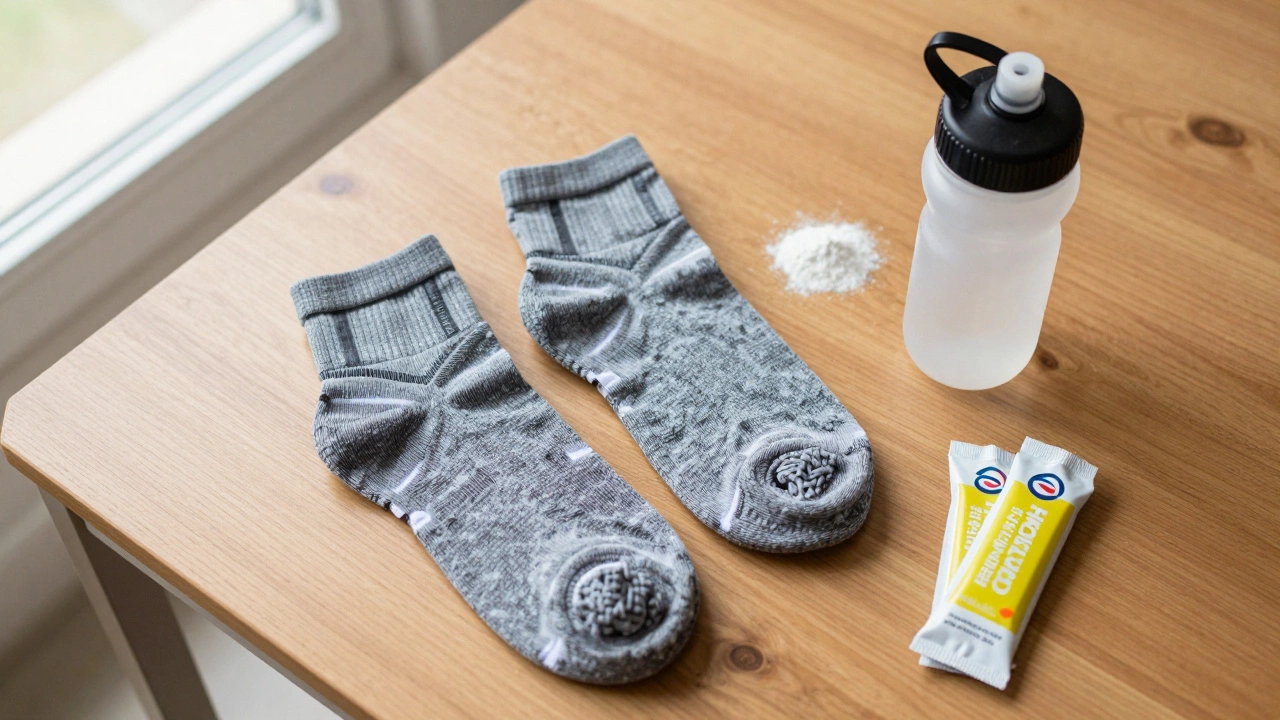
Finally, don't underestimate the gear. The shoes that worked for 6.2 miles might cause blisters or hotspots over 13.1. Ensure your shoes have at least 100 miles of "break-in" time but aren't so worn out that the foam has collapsed. Socks made of synthetic blends or merino wool are mandatory; cotton is the enemy and will lead to blisters.
Preparing for Race Day
When you finally line up for the start, the mental game changes. A 10k is a sprint by comparison. For the half marathon, the first 5 miles should feel annoyingly slow. If you feel like you're working hard in the first few miles, you've already lost the race. Save your energy for the final 5k, where the real work begins.
Focus on your cadence. Keep your steps short and quick to reduce the impact on your joints. If you feel a cramp coming on, slightly adjust your stride or take an electrolyte gel. Most importantly, remember that the half marathon is a journey of patience. Your ability to manage your effort in the first half determines how you feel in the second.
How long does it take to train for a half marathon if I can already run a 10k?
Typically, it takes 8 to 12 weeks. Since you already have the 10k base, you don't need a full "couch to 13.1" plan. You need a bridge program that gradually increases your long run from 6 miles up to 10 or 12 miles, while maintaining your overall weekly volume.
Do I need to run the full 13.1 miles before race day?
No, you don't. Most training plans peak at 10 or 12 miles. Running the full distance in training can increase your recovery time and injury risk. The adrenaline of race day and the effect of the taper will carry you through those final couple of miles.
What happens if I feel a sharp pain during a long run?
Stop immediately. There is a big difference between "muscle fatigue" (a dull ache) and "injury pain" (sharp, localized, or stabbing). If you feel a sharp pain, walk home or call a ride. Pushing through an acute injury during a long run can turn a 3-day recovery into a 3-month layoff.
Should I keep doing speed work (intervals) while training for a half marathon?
Yes, but in moderation. One day of interval training or a tempo run per week helps maintain your cardiovascular efficiency. However, the priority must shift toward the long run. If you're too tired for your long run because of a hard speed session, scale back the intensity of the intervals.
How do I know if my pace is too fast for my long runs?
Use the "Talk Test." You should be able to speak in full sentences without gasping for air. If you can only manage one or two words at a time, you've crossed from an aerobic effort into an anaerobic one, which defeats the purpose of the long run.
Next Steps and Troubleshooting
If you're feeling overwhelmed, start by simply adding one "long run" day to your week. Pick a day (usually Saturday or Sunday) and try to run 7 miles at a very slow pace. If you feel great the next day, add one mile to that run every two weeks.
For those prone to injury, consider a "run-walk" strategy. Using the Galloway method-where you run for 4 minutes and walk for 1 minute-can actually allow you to cover longer distances with less fatigue and a lower risk of injury. It's a legitimate way to finish a half marathon and is often used by beginners to build mileage safely.