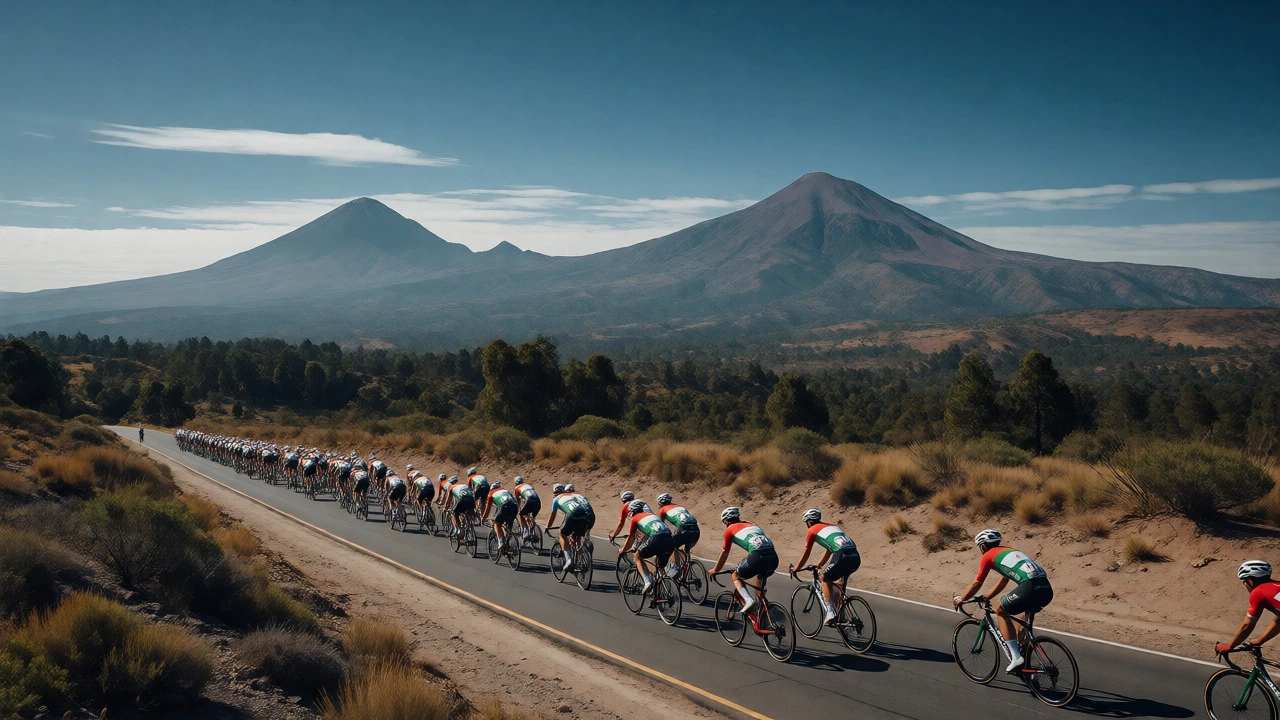
Mexican Cycling Structure Explorer
National Representative Team
Selected by the Federación Mexicana de Ciclismo.
- 🏅 Competes in Olympics & World Championships
- 🇲🇽 Wears official national colors (Green/White/Red)
- 💰 Funded by Government/Olympic Committee
Professional Continental Teams
Commercial trade teams based in Mexico.
- 🚴 Race year-round in UCI America Tour
- 🏢 Business entities with private sponsors
- 🌍 Pathway for local talent to stay home
Key Professional Squads & Stars
| Team / Entity | Status | Focus Area | Notable Detail |
|---|
Major Domestic Events
- Vuelta a México: The premier multi-stage race (typically October).
- Pan American Championships: Often hosted in Latin America; key for national team selection.
Global Stage
- Olympic Games: Focus on Track Cycling (Madison, Omnium) where Mexico has medal history.
- UCI America Tour: Series of races across North/South America.
You might see a rider in green and white at the Tour de France or spot a Mexican name on the start list for the Giro d'Italia, and naturally, you ask: does Mexico have a cycling team? The short answer is yes, but it’s not as simple as pointing to one single "Team Mexico" that races every weekend. The reality is a layered ecosystem involving a national federation, government-backed development programs, and a handful of professional continental teams that serve as the country's ambassadors on the global stage.
If you are planning a cycling trip to Mexico or just curious about the sport's status south of the border, understanding this structure helps you appreciate the talent coming out of the region. Mexico isn't just a backdrop for high-altitude training camps; it has a competitive scene that produces riders capable of winning international stages. Let's break down who actually represents Mexico, how they are funded, and where you can watch them race.
The Distinction Between National Teams and Professional Squads
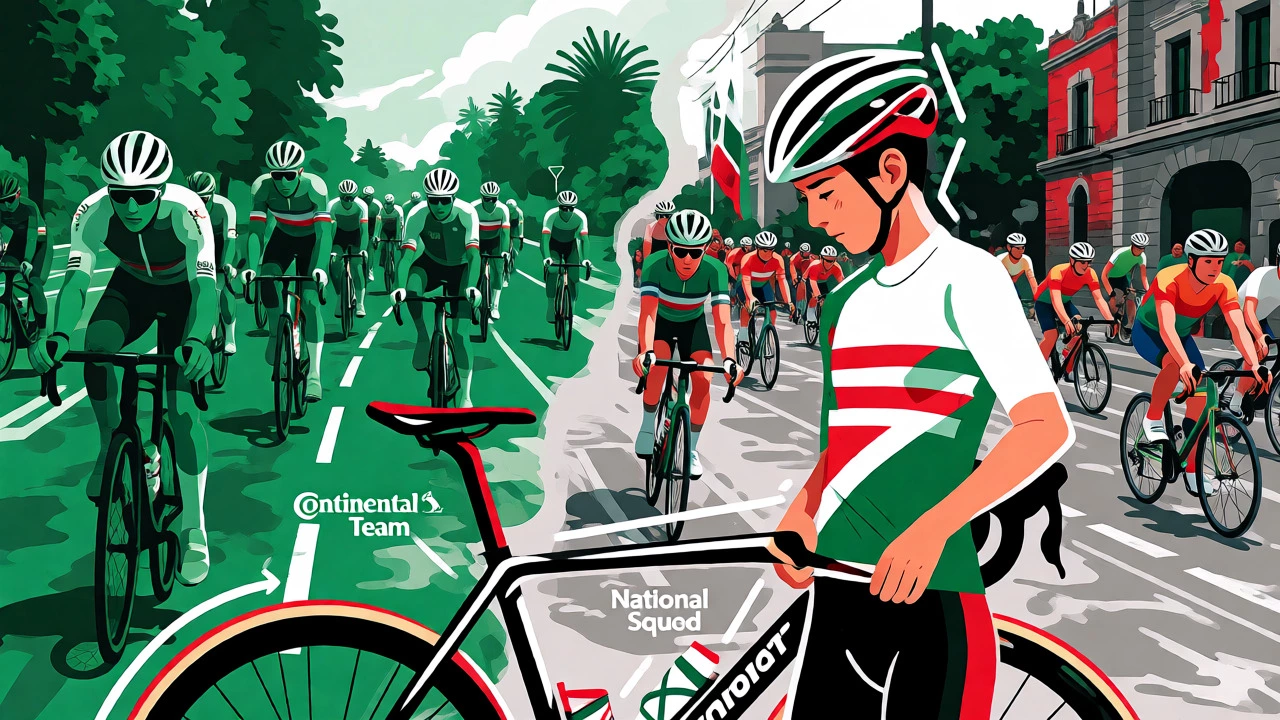
First, we need to clear up a common confusion. In sports like football (soccer), there is one obvious national team. In cycling, the lines are blurrier because the sport is dominated by commercial trade teams rather than state-run squads. When people ask if Mexico has a cycling team, they usually mean one of two things:
- The National Representative Team: This is the squad selected by the Federación Mexicana de Ciclismo (the governing body responsible for organizing and regulating cycling in Mexico) to compete in the Olympic Games, Pan American Championships, and UCI World Championships. These riders wear the national colors (green, white, and red) and do not receive sponsorship money from private companies for those specific events.
- Professional Continental Teams: These are registered trade teams based in Mexico that hire riders. They compete in the UCI America Tour and other international circuits. While they may have Mexican sponsors, they are business entities, not the official face of the nation in the same way an Olympic team is.
Both exist, but they operate differently. The national team is episodic-you only see them during major championships. The professional teams are active year-round, trying to secure sponsorships to survive in a tough market.
The Role of the Federación Mexicana de Ciclismo
The Federación Mexicana de Ciclismo (a non-profit organization affiliated with the UCI and the Mexican Olympic Committee) is the central authority. Based in Mexico City, its job is to select athletes for international duties and manage domestic regulations. If you are wondering who picks the riders for the Olympics, it is this body.
The Federation relies heavily on performance data from domestic races. They look at results from the Vuelta a México (the premier multi-stage road cycling race held annually in Mexico) and other national championships. Unlike European nations with massive federal budgets for sports, Mexico's funding for cycling is often tied to medal potential. This means resources are concentrated on disciplines where Mexico has historically performed well, such as track cycling and mountain biking, though road cycling gets its share during peak seasons.
Key Professional Teams Based in Mexico
While there isn't a top-tier UCI WorldTeam based in Mexico, the country hosts several UCI Continental teams. These teams are crucial because they provide a pathway for local talent to stay home while still racing internationally. Here are some notable examples that have represented Mexico in recent years:
| Team Name | Status | Primary Focus |
|---|---|---|
| Canel's Specialized | Defunct/Merged | Road Racing (Historical) |
| Eurocar-Giant | Active/Continental | Development & Road |
| Serramito Sportivo | Regional/Amateur | Local Talent Pipeline |
| Team Canel's | Active | Women's Road Cycling |
It is worth noting that the landscape changes quickly. Sponsorship deals in Mexico can be volatile. A team might appear one year with strong backing from a beverage company and disappear the next when marketing budgets shift. However, the presence of these teams ensures that Mexican riders don't always have to move to Europe immediately to turn pro.
Stars Who Put Mexican Cycling on the Map
You cannot talk about Mexican cycling without mentioning Isaac del Toro (a rising star in professional road cycling known for his climbing abilities). He is currently riding for UAE Team Emirates, one of the biggest teams in the world. His success has sparked renewed interest in the sport domestically. Before him, riders like Luis Villalpando (a former professional cyclist who competed in Grand Tours) paved the way, though he faced significant controversy later in his career.
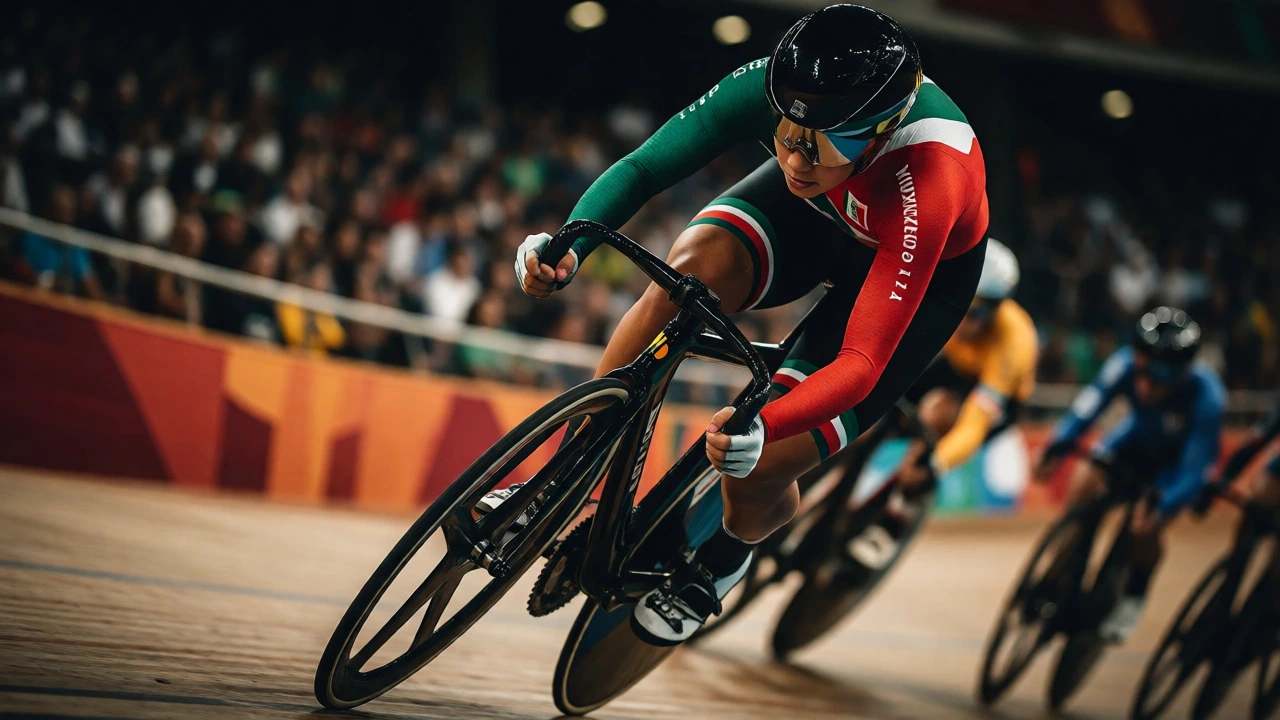
On the women's side, Yareli Salazar (an Olympic track cyclist specializing in endurance events) has been a consistent competitor for the national team. She represents the strength of Mexico's track program, which is often better funded and more successful than the road discipline due to historical investment in velodromes.
Where to Watch Mexican Riders Compete
If you want to support the Mexico cycling team or local squads, here is where the action happens:
- Vuelta a México: Held typically in October, this is the biggest domestic event. It attracts international teams, giving local fans a chance to see world-class racing on home soil.
- Pan American Championships: Often hosted in various Latin American countries, including sometimes Mexico itself. This is where the national team shines.
- Olympic Games: Every four years, the focus shifts entirely to the national squad. Track cycling events, particularly the Madison and Omnium, have seen Mexican medal contenders.
- UCI America Tour: A series of races across North and South America where Mexican Continental teams regularly participate.
Cycling Culture and Routes in Mexico
Since your interest started with cycling routes, it is important to connect the professional scene with the grassroots culture. Mexico offers incredible terrain for cyclists. The central highlands, around Toluca and Mexico City, sit at altitudes above 2,500 meters. This makes it a popular destination for altitude training camps. Many European pros come here to prepare for their seasons, meaning you might spot a WorldTour rider on a local road in Puebla.
For tourists, the Route of the Gods (Ruta de los Dioses) near Toluca is legendary. It features steep climbs and thin air, testing even the fittest legs. Another gem is the Baja California peninsula, offering coastal rides with stunning ocean views, though the heat and wind are serious challenges. The diversity of terrain-from volcanic slopes to desert flats-mirrors the versatility required of Mexican riders, who often excel as climbers or all-rounders.
Challenges Facing Mexican Cycling
Despite the talent, the sport faces hurdles. Funding is the biggest issue. Unlike football, which generates billions, cycling struggles to attract consistent corporate sponsors in Mexico. This leads to instability for teams. Additionally, safety on roads remains a concern for amateur cyclists, which limits the growth of the participant base compared to countries with dedicated bike infrastructure.
However, the tide is turning. With Isaac del Toro's visibility, more young Mexicans are taking up the sport. Local clubs are growing, and social media groups help organize group rides, creating a community that supports both recreation and competition.
How to Follow the Action
To stay updated on the Mexico cycling team and local squads, follow these sources:
- UCI Website: Check the rankings for Mexican riders under the "Nations" filter.
- Federación Mexicana de Ciclismo Social Media: They post announcements for national team selections.
- Domestic News Outlets: Sports sections of major Mexican newspapers cover the Vuelta a México extensively.
So, does Mexico have a cycling team? Absolutely. It is a mix of a proud national identity represented in blue-and-green kits at championships and resilient professional squads fighting for survival in the peloton. Whether you are looking to train at altitude or just cheer for a local hero, Mexico is a cycling nation worth watching.
Who is the most famous current Mexican cyclist?
Isaac del Toro is currently the most prominent Mexican cyclist. Riding for UAE Team Emirates, he has achieved significant victories in WorldTour races, bringing global attention to Mexican talent.
Does Mexico have a UCI WorldTeam?
No, Mexico does not currently host a UCI WorldTeam. Most top Mexican riders join European-based WorldTeams. However, Mexico has several UCI Continental teams that compete in the Americas.
What is the main cycling race in Mexico?
The Vuelta a México is the premier multi-stage road race in the country. It typically takes place in October and features both national and international teams competing over several days.
Is Mexico good for cycling tourism?
Yes, especially for experienced cyclists seeking high-altitude challenges. Regions like Toluca and Puebla offer demanding climbs and beautiful scenery. Baja California provides unique desert and coastal routes, though heat management is critical.
How is the Mexican national cycling team funded?
Funding comes primarily from the Mexican government through CONADE (National Commission of Physical Culture and Sports) and the Mexican Olympic Committee. Additional support may come from private sponsors for specific events or training camps.