Pro Gear Customization Estimator
Find out how much professional athletes customize their gear versus retail versions. Select your sport and see what parts are typically customized, how much it costs, and why pros need this level of personalization.
Ever watch a pro athlete swing a bat, lace up cleats, or grip a racket and wonder if that’s really their personal gear? It’s not just about brand logos on the side-it’s about trust, performance, and the tiny details that make the difference between winning and losing. The short answer? Sometimes yes, sometimes no. And the reason why isn’t as simple as you think.
It Depends on the Sport
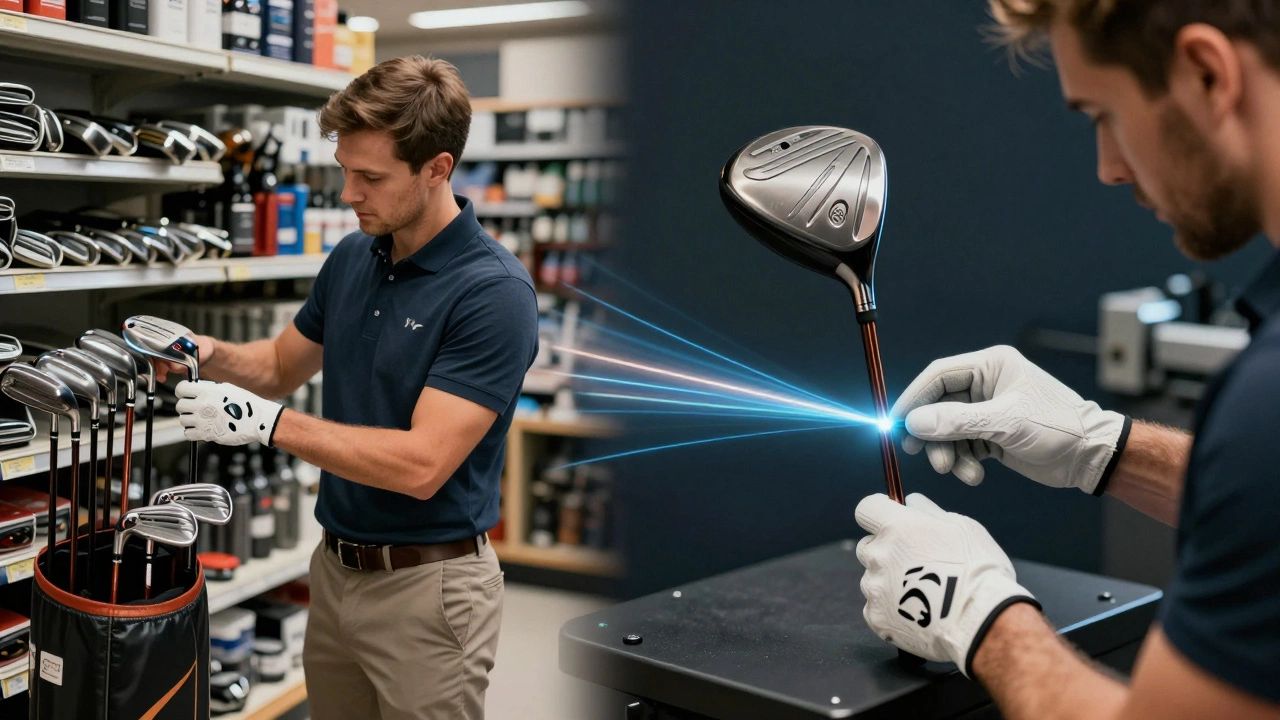
In some sports, athletes use gear they bought themselves. In others, they’re handed equipment like uniforms-no choice involved. Take golf, for example. PGA Tour players often own their clubs. They spend years testing different shafts, grips, and head designs until they find the exact combination that feels right. A single driver can cost over $1,000, and many pros have multiple sets customized for different courses and conditions. They don’t just use what’s handed to them-they fine-tune every gram of weight, every degree of loft.
But look at basketball. NBA players rarely buy their own shoes. Nike, Adidas, and Under Armour sign deals with athletes that include free gear, custom designs, and sometimes millions in endorsement money. The shoes they wear during games are prototypes or custom builds made just for them. The version you can buy in stores? It’s usually a mass-produced version of what they use, with minor tweaks. The real gear is never for sale.
Sponsorship Changes Everything
Most elite athletes don’t pay for their equipment. Sponsorships cover it. Companies like Wilson, Rawlings, and Head don’t just give gear to athletes-they invest in them. In return, the athlete wears the brand on their uniform, posts about it on social media, and sometimes even helps design the next product line.
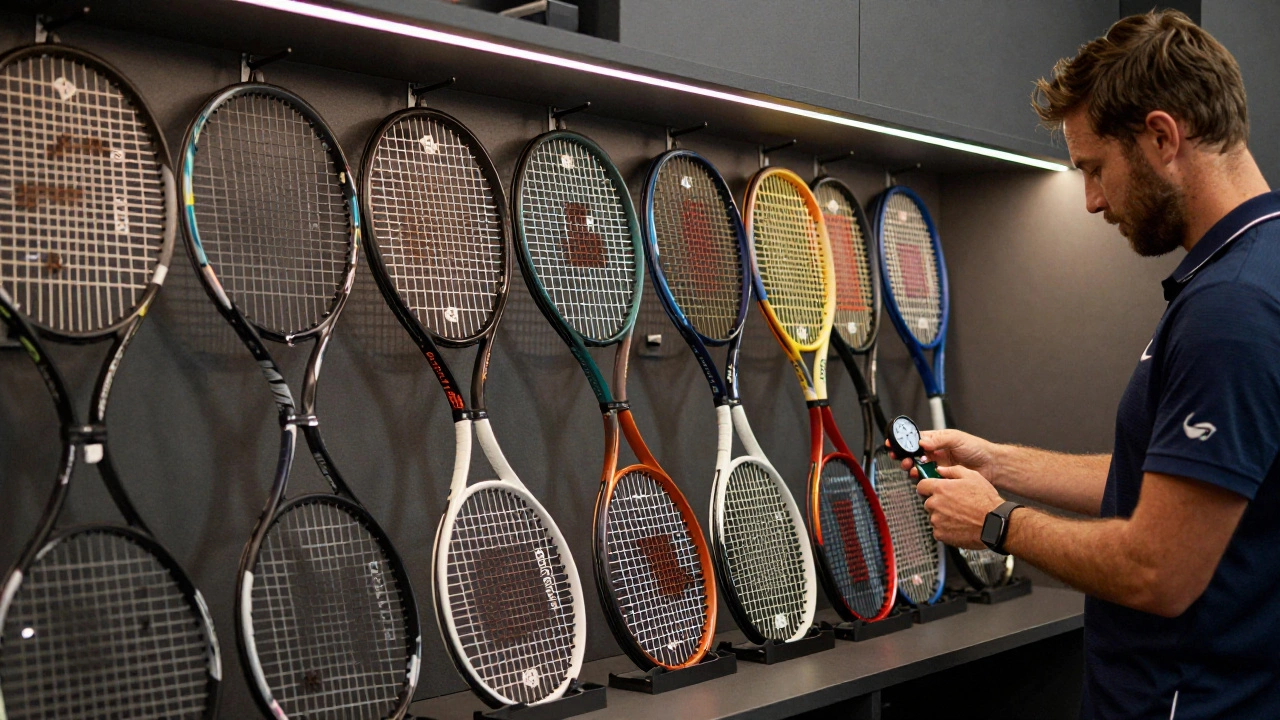
For example, tennis players on the WTA and ATP tours often use rackets made by sponsors like Babolat or Prince. But here’s the twist: many of them use rackets that are modified versions of the retail model. The frame might be the same, but the string tension, weight distribution, and grip size are changed by the team’s equipment manager. Sometimes, the racket isn’t even made by the brand it’s labeled with-it’s a custom-built replica that looks identical but performs better.
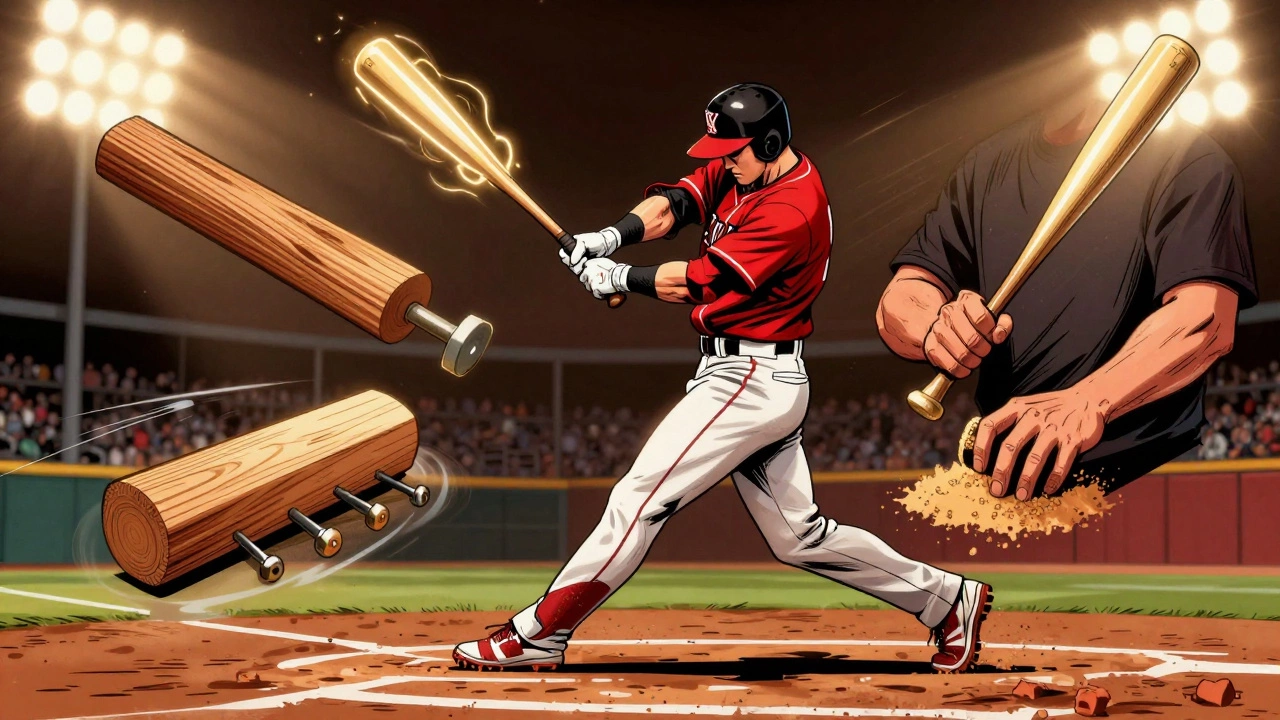
Baseball is another example. MLB players use bats from brands like Louisville Slugger or Marucci, but they don’t just pick one off the shelf. They work with bat makers to create custom models based on their swing speed, hand size, and preferred balance point. Some players use the same bat for years, while others go through dozens in a season. The bat they use in Game 7 might have been carved from the same piece of wood as the one they used in spring training-but it’s been sanded, weighted, and painted to match their exact needs.
What About the Gear You Can’t Customize?
Some equipment is non-negotiable. In football, helmets are required to meet strict safety standards set by the NFL and NOCSAE. Teams provide helmets, and players don’t get to choose the model. They can pick a color or a decal, but the shell, padding, and fit are all standardized for safety. Same with hockey gear-goalie pads, sticks, and skates are often custom-made, but they’re built by team equipment staff, not bought by the player.
Swimmers face a similar situation. While they can choose their brand of goggles or swimsuit, the suits themselves are regulated. FINA bans certain materials and designs that give unfair advantages. So even if a swimmer loves a particular brand, they can’t wear just any suit-it has to be approved. Many top swimmers get their suits from sponsors, but the fit and cut are tailored by team technicians to reduce drag by fractions of a second.
The Role of Equipment Managers
Behind every athlete is a team of equipment managers, trainers, and technicians who handle the gear. They’re the ones who make sure a baseball player’s glove is broken in just right, that a cyclist’s bike is tuned to the exact torque specs, or that a soccer player’s cleats have the right stud pattern for the field conditions.
These professionals don’t just store gear-they maintain it. A tennis player might use 10-15 rackets in a single tournament. Each one is strung the same way, with the same tension, and kept in climate-controlled cases. The player doesn’t touch them. The equipment manager does. The athlete trusts that the next racket they pick up will feel exactly like the last one.
In motorsports, the difference between winning and losing can be a few grams of weight or a millimeter of tire pressure. Teams use laser measurements, data logs, and wind tunnels to optimize every component. The driver doesn’t build the car-they trust the engineers to do it right.
Amateur vs. Professional: The Big Divide
Amateur athletes usually buy their own gear. A high school soccer player picks out cleats based on budget and what looks cool. A weekend golfer buys a set of clubs from a sporting goods store. There’s no sponsor, no team technician, no custom tuning.
But that doesn’t mean they’re using inferior gear. Many of the same brands that supply pros make versions for amateurs. The difference isn’t quality-it’s customization. Pro gear is built for one person. Amateur gear is built for thousands.
Some athletes at the youth or college level do get sponsored gear, especially in high-profile sports. But even then, it’s often the same model sold in stores, just with their name on it. The real custom stuff? That’s reserved for the top 1%.
What Happens When Gear Breaks?
When a pro’s racket snaps, their bike chain breaks, or their glove tears mid-game, they don’t panic. They have backups. Lots of them. A tennis player might have 20 rackets ready. A cyclist might have three bikes on standby. A pitcher might have three gloves-each broken in differently for different pitches.
That’s why gear storage is a science. Teams have rooms filled with identical-looking equipment, each labeled with the athlete’s name and the specific use case. A baseball bat might be marked “Game 7 - Lefty - Fastball” or “Practice - Righty - Curve.” The athlete doesn’t need to think about it. They just grab the right one.
Can You Buy the Same Gear as the Pros?
Yes, but with limits. You can buy the same model of Nike running shoe that Eliud Kipchoge wears. But you won’t get the custom insole, the exact foam density, or the weight distribution he uses. You’re buying a version optimized for the average runner, not the world record holder.
The same goes for golf clubs, tennis rackets, and hockey sticks. The retail version is designed for broad appeal. The pro version is designed for one person-and it’s not for sale.
Some companies do offer custom-order options for consumers. Wilson, for example, lets you build your own tennis racket online. But even then, you’re choosing from preset options. Pro customization involves hand-finishing, lab testing, and months of feedback loops-something you can’t replicate at home.
Why It Matters
It’s not about vanity. It’s about control. Athletes need to trust their gear completely. If a bat feels off by a fraction of an ounce, it can throw off a swing. If a shoe doesn’t grip just right, it can lead to a twisted ankle. In high-stakes sports, there’s no room for guesswork.
That’s why the best athletes work with their equipment teams like they work with their coaches. It’s part of their preparation. The gear isn’t just tools-it’s an extension of their body. And when you’re competing at the highest level, that connection has to be perfect.
So next time you see a pro athlete using a piece of equipment, remember: it might look like the same thing you can buy-but it’s not. It’s been tuned, tested, and tailored for one person. And that’s what makes all the difference.
Do professional athletes pay for their own equipment?
Most elite athletes don’t pay for their gear. Sponsorship deals cover the cost. Companies like Nike, Wilson, and Adidas provide equipment in exchange for branding, social media promotion, and product feedback. Some athletes, especially in sports like golf or tennis, may buy their own gear for personal preference, but even then, they often get discounts or custom versions through their sponsor.
Can I buy the exact same equipment as a pro athlete?
You can buy the same model, but not the exact same version. Pro gear is often customized with specific weights, string tensions, foam densities, or materials that aren’t available to the public. What you see on store shelves is a mass-produced version optimized for the average user-not the elite athlete.
Why do some athletes use gear that looks like retail products?
Brands design pro gear to look like retail models for marketing. It helps consumers connect with athletes and feel like they’re using the same gear. But underneath, the pro version is often modified with custom materials, weight adjustments, or hand-built components that aren’t part of the retail line.
Do teams provide equipment for all sports?
Yes, in team sports like football, basketball, and hockey, teams provide uniforms, helmets, and major gear. In individual sports like tennis, golf, and cycling, athletes usually get gear through sponsorships, but the team or coach may still manage maintenance and setup. Safety gear like helmets and pads is almost always provided by the organization for compliance and liability reasons.
How do athletes choose their equipment?
Athletes test gear extensively-sometimes for months or years. They work with equipment managers, coaches, and manufacturers to find the right feel, weight, balance, and performance. It’s not about brand loyalty-it’s about what gives them the best edge. A baseball player might switch bats mid-season if one feels better. A runner might change shoes every few weeks to test different cushioning levels.