Adult Swimming Progression Calculator
Estimate your timeline to swimming proficiency based on lesson frequency and current comfort level with water.
Your Estimated Roadmap
Time to Basic Survival:
Time to Proficiency:
Recommended Next Steps:
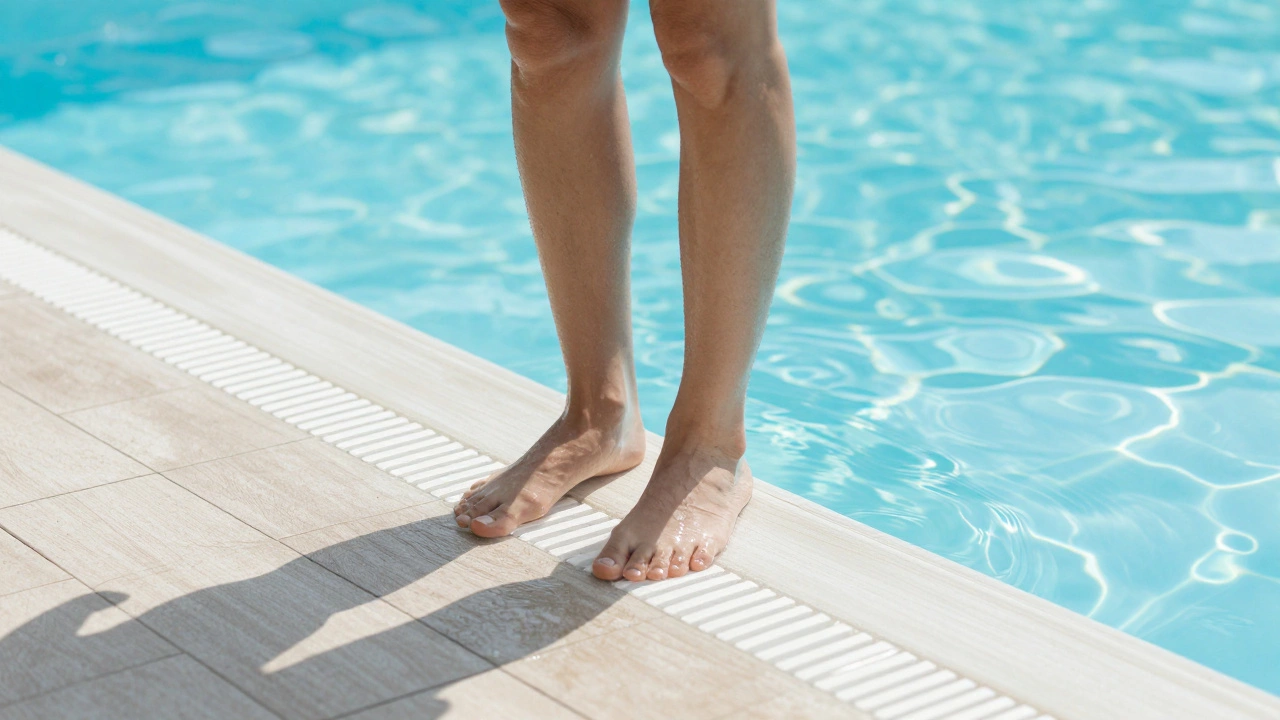
You’re standing by the pool edge. The water looks inviting, but your stomach drops. You know you *should* be able to swim, yet you can’t even keep your head above water without panicking. It’s a common scenario for millions of adults who missed out on childhood lessons or had a traumatic experience with water. The big question isn’t whether you *can* learn-it’s whether it’s too late. The short answer? Absolutely not. Your brain is still plastic enough to learn new motor skills, and your lungs are just as capable of holding air as they were at ten years old.
However, learning to swim as an adult comes with unique hurdles that kids don’t face. Kids often throw themselves in and figure it out through play. Adults overthink. We analyze every movement, worry about looking foolish, and let fear dictate our actions. This guide cuts through the noise. It explains exactly how adult neuroplasticity works in the context of swimming, breaks down the physical adjustments you need to make, and gives you a step-by-step roadmap to going from zero to confident swimmer.
The Science of Adult Neuroplasticity
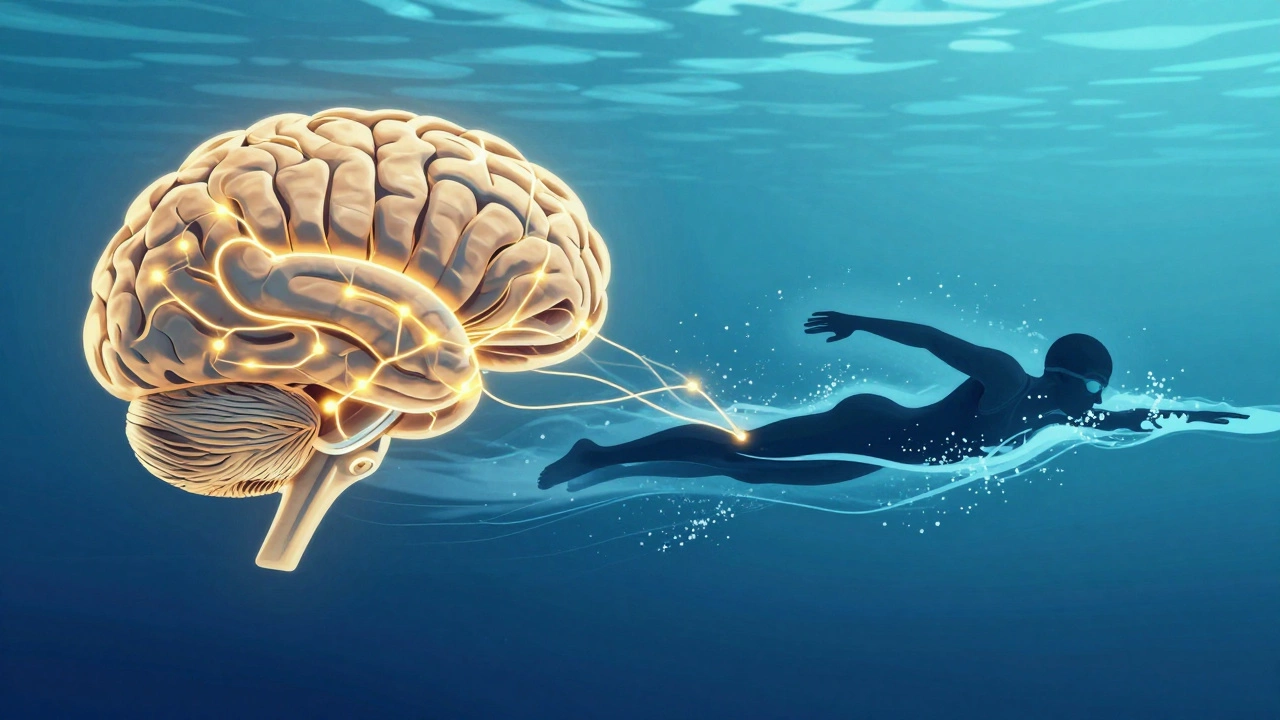
There’s a myth that you can’t teach an old dog new tricks. Neuroscience proves this wrong. Neuroplasticity is the brain's ability to reorganize itself by forming new neural connections throughout life. While children’s brains are like sponges, absorbing everything rapidly, adult brains are more like targeted drills. They might take longer to pick up the initial rhythm, but once a pattern is established, it sticks harder because you understand the *why* behind the movement.
When you learn to swim as an adult, you aren’t just building muscle memory; you’re rewiring your nervous system to trust the water. Studies in motor learning show that adults benefit significantly from explicit instruction-knowing exactly which muscles to engage-whereas children rely more on implicit learning (trial and error). This means you actually have an advantage if you approach it with discipline. You can correct bad habits before they form because you have the cognitive maturity to listen to feedback.
The challenge? Anxiety. The amygdala, the part of your brain responsible for fear responses, doesn’t care about logic. If you’ve been afraid of water, your body will trigger a fight-or-flight response the moment you dip a toe in. Overcoming this requires desensitization, not just technique. You have to convince your primitive brain that the water is safe, one breath at a time.
Why Adults Struggle More Than Kids
If you’ve ever watched a toddler splash around effortlessly while you tread water like a sinking stone, you know the difference. It’s not just confidence; it’s physics and physiology.
- Density and Buoyancy: Adults generally have higher muscle mass and lower body fat percentages than young children. Muscle is denser than fat, meaning you naturally sink more. A child floats like a cork; an adult needs to actively manage buoyancy.
- Weight Distribution: As we age, our centers of gravity shift. Shoulders broaden, hips widen, and posture changes. This affects how you balance horizontally in the water. Many adults struggle to keep their legs up because their core strength isn’t engaged correctly to counteract their heavier lower body.
- Fear Conditioning: Adults carry baggage. Maybe you choked on water once. Maybe you watched someone drown. These memories create psychological barriers that require deliberate mental work to dismantle.
- Schedule Constraints: Unlike a kid after school, you have jobs, families, and responsibilities. Consistency-the key to any skill-is harder to maintain when you’re juggling life.
Understanding these factors helps you adjust expectations. You won’t float effortlessly on day one. That’s okay. Acknowledging the physical reality allows you to train smarter, focusing on body position and breathing rather than just flailing limbs.
Step-by-Step: From Fear to Fluency
Learning to swim isn’t a binary switch. It’s a spectrum. Here is the realistic progression most adult beginners follow. Don’t rush steps. Mastery of one stage builds the confidence needed for the next.
- Water Acclimatization: Start in chest-deep water. Practice walking, squatting, and blowing bubbles. The goal is to get comfortable with the sensation of water pressure and sound. Bubbles are crucial-they teach you to exhale underwater, which prevents lung congestion and panic.
- Floatation Techniques: Learn the "starfish" float (lying on your back) and the "dead man’s float" (face down). These teach you that water supports you if you relax. Tension sinks you. Relaxation floats you. This feels counterintuitive, so practice it daily until it becomes instinctive.
- Gliding: Push off the wall and glide horizontally. Focus on keeping your head neutral (looking down, not forward) and your legs straight. Gliding teaches body alignment. If your hips sink, your drag increases exponentially.
- Kick Development: Use a kickboard initially, but only to support your upper body. The kick should come from the hips, not the knees. Think of it as a whip motion, not a bicycle pedal. Small, fast kicks are more efficient than large, slow ones.
- Arm Pulls: Add the front crawl arm motion. Coordinate it with your breath. Inhale to the side, exhale into the water. Never hold your breath; continuous exhalation keeps CO2 levels low and reduces panic.
- Endurance Building: Once the mechanics feel natural, increase distance. Start with 25 meters. Aim for consistency, not speed.
This process takes weeks, not days. Be patient. Every session should end with you feeling slightly more competent than you did at the start.
Essential Gear for Adult Learners
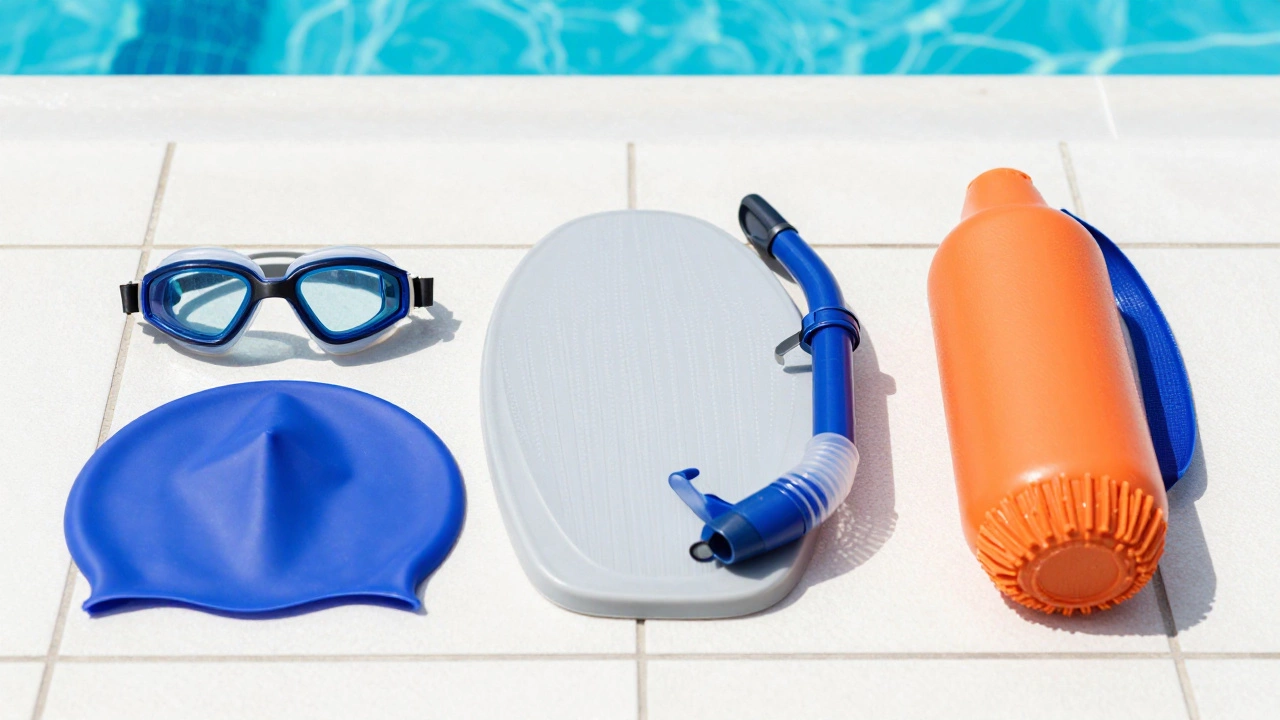
You don’t need expensive equipment, but the right tools make learning safer and faster. Avoid cheap foam noodles that break apart. Invest in durable gear that lasts.
| Item | Purpose | Key Feature to Look For |
|---|---|---|
| Goggles | Visibility and comfort | Anti-fog coating, adjustable silicone strap |
| Kickboard | Isolate leg movement | Lightweight EVA foam, ergonomic handles |
| Snorkel | Focus on body rotation without lifting head | Front-mount design, dry-top valve |
| Swim Cap | Reduce drag and protect hair | Silicone material, snug fit |
| Pull Buoy | Isolate arm movement | High-buoyancy foam, fits between thighs |
A front-mount snorkel is a game-changer for adults. It allows you to focus purely on your kick and body roll without worrying about breathing timing. This removes the cognitive load of coordination, letting you master one element at a time.
Finding the Right Instruction
Self-teaching is possible but risky. An instructor provides immediate feedback, corrects dangerous habits, and manages safety. When choosing a program, look for these criteria:
- Adult-Specific Classes: Avoid mixed-age groups if you’re shy. Dedicated adult classes move at a pace suited to older learners and address specific fears.
- Certified Instructors: Ensure they hold certifications from recognized bodies like the American Red Cross, Swim England, or equivalent national organizations.
- Small Class Sizes: Ideal ratios are 1:4 or 1:6. Larger groups mean less individual attention.
- Progressive Curriculum: The program should have clear milestones, not just free-swim sessions.
If formal classes aren’t an option, consider private lessons for the first three sessions to build foundational skills, then transition to group classes for social accountability.
Mental Strategies to Overcome Fear
Physical technique is only half the battle. The other half is mental. Fear of drowning is primal. To conquer it, you need systematic desensitization.
Start by visualizing success. Before you enter the pool, spend five minutes imagining yourself floating calmly, breathing rhythmically. Visualization activates the same neural pathways as actual practice. Then, use controlled exposure. If deep water terrifies you, stay in shallow water until you can comfortably blow bubbles and float there. Gradually move deeper, always within your comfort zone’s edge.
Practice "panic resets." If you feel anxiety rising, stop. Hold the wall. Take three deep breaths. Remind yourself: "I am safe. I am supported." This interrupts the fear loop. Over time, your brain learns that the water is not a threat.
Maintaining Progress and Safety
Once you can swim 50 meters continuously, you’re no longer a beginner. But maintenance is key. Swimming is a perishable skill. If you go months without practicing, you’ll lose coordination. Aim for at least one session per week.
Safety remains paramount. Even proficient swimmers should avoid swimming alone in open water. Always check conditions, wear a flotation device if unsure, and never underestimate currents. For pool swimming, ensure lifeguards are present or swim with a buddy.
Remember, learning to swim as an adult is one of the most empowering things you can do. It opens up travel opportunities, improves cardiovascular health, and provides a lifelong stress-relief outlet. It’s never too late to dive in.
Is it embarrassing to learn to swim as an adult?
No. Most instructors see dozens of adult beginners. They are trained to handle diverse skill levels and fears professionally. Other students in adult classes are likely in the same boat. Everyone is focused on their own progress, not judging others.
How long does it take to learn to swim as an adult?
It varies based on frequency and comfort level. With consistent weekly lessons, most adults can achieve basic survival swimming (floating, treading water, 25m swim) in 8-12 weeks. Proficiency takes longer, often 3-6 months of regular practice.
Can I learn to swim without taking lessons?
Yes, but it’s slower and riskier. Online tutorials and YouTube videos can help, but you lack real-time feedback. Bad habits like improper breathing or inefficient strokes can become ingrained. At minimum, hire a coach for 2-3 sessions to assess your form.
What if I have joint pain or arthritis?
Swimming is excellent for joint health due to water’s buoyancy reducing impact. However, consult your doctor first. Modify strokes to avoid painful movements. Backstroke is often easier on shoulders than freestyle. Use fins to reduce knee strain during kicking.
Do I need to be fit to start swimming lessons?
No. Swimming is a low-impact exercise that builds fitness gradually. You don’t need prior cardio endurance. Lessons include rest periods. Fitness will improve as a result of learning, not a prerequisite for it.