Boxing Terminology Checker
Click on the scenario that best describes the boxing event you are referring to.
Pro Boxing (US)
A paid, sanctioned fight between two professionals in the United States.
Amateur / Olympic
Point-based competition with headgear, often in tournaments or Olympics.
Pro Boxing (UK/Europe)
Professional boxing in the United Kingdom, Australia, or Europe.
Casual Conversation
Talking to friends about the action, regardless of the level.
Legal / Contracts
Referring to the event in official documents, contracts, or sanctioning bodies.
Calling it a "Game"
You want to refer to a boxing event as a "game" or "play".
Select a scenario on the left to see the correct terminology.
Recommended Term:
Why this term?
You walk into the arena, the lights dim, and the announcer shouts, "Ladies and gentlemen, this is it!" But what exactly are you watching? A fight? A contest? A game? If you’ve ever wondered whether a boxing match is the right term for that intense, glove-clad battle in the ring, you’re not alone. The language of combat sports can be tricky. We say "football match" or "tennis match," but when two boxers step up to the ropes, does the word still fit?
The short answer is yes, but with a catch. In boxing, we rarely call it a "game." That word implies playfulness or low stakes, which doesn’t quite capture the danger and discipline of the sport. Instead, the industry prefers specific terms like "bout," "fight," or "match," each carrying its own weight depending on the level of competition.
Why "Game" Doesn't Fit the Ring
Let’s clear up the biggest misconception first: boxing is not a game. While it is classified as a sport, calling it a "game" minimizes the physical risk involved. In a game of chess or soccer, the worst-case scenario might be a bruised ego or a twisted ankle. In boxing, the stakes are your health, your career, and sometimes your life.
This distinction matters because language shapes perception. When promoters sell tickets, they don’t advertise a "boxing game." They sell a "world championship fight" or a "title bout." This isn’t just marketing fluff; it reflects the serious nature of the event. Even casual fans understand that once those gloves touch, there is no playful element left. It is a regulated combat sport governed by strict rules designed to protect athletes while allowing them to compete at the highest level.
If you are new to the sport, you might hear beginners refer to sparring sessions as "games," but even that is rare. Trainers usually call it "sparring" or "workout." The term "game" simply doesn’t belong in the lexicon of serious boxing.
Bout vs. Match: What’s the Difference?
So, if it’s not a game, what do we call it? You will hear two main terms thrown around: "bout" and "match." Are they interchangeable? Mostly, yes, but there are subtle differences in how they are used.
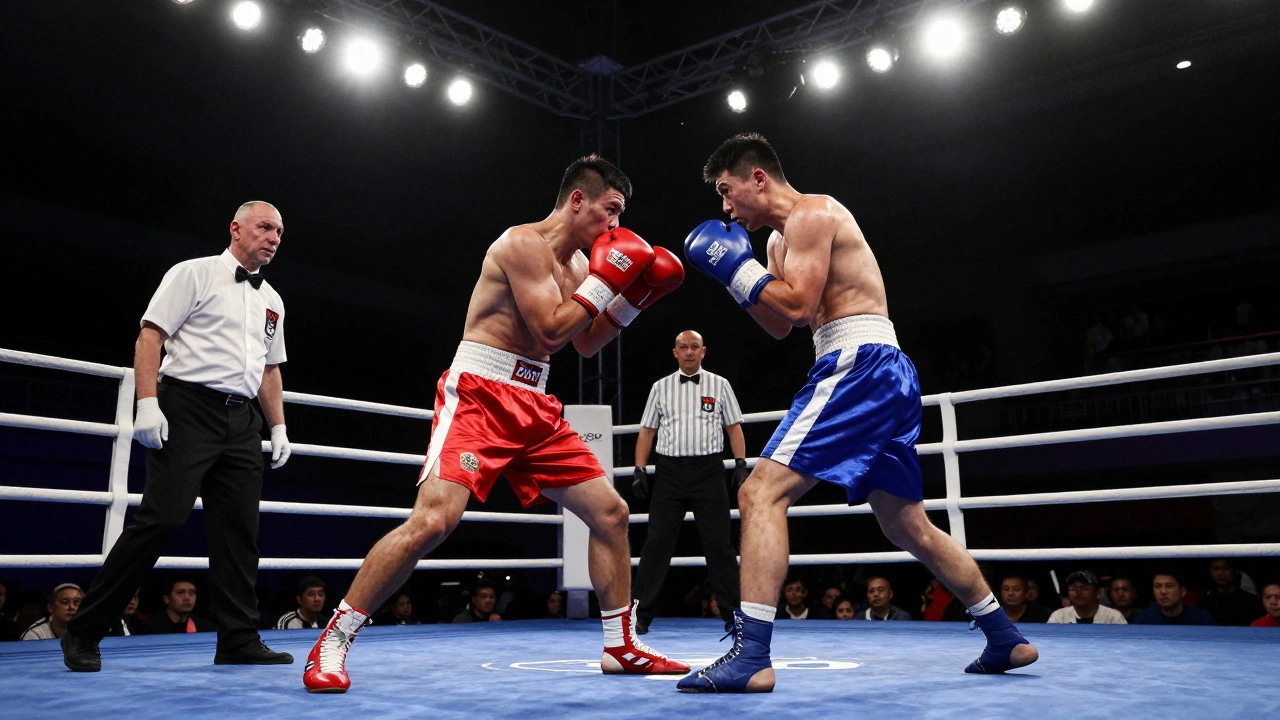
A Bout is the standard term for a single boxing contest between two fighters. It is the most common word used by broadcasters, journalists, and promoters. When you look at a fight card for a major event, you will see a list of bouts. For example, the undercard might feature three preliminary bouts before the main event. The word "bout" suggests a contained, scheduled event with a specific start and end time.
Match is a broader term often used in amateur boxing or international competitions. In countries like the UK, Australia, and across Europe, "match" is frequently used interchangeably with "bout." However, in the United States, "match" is less common in professional boxing contexts. You are more likely to hear "match" in the context of Olympic boxing or high school tournaments. It carries a slightly more formal, competitive tone, similar to how we use "match" in tennis or cricket.
Here is a quick breakdown to help you choose the right word:
| Term | Common Usage | Context |
|---|---|---|
| Bout | Professional Boxing (US/Global) | Standard term for any paid fight |
| Match | Amateur/Olympic/UK/Australia | Formal competition, tournaments |
| Fight | Casual/Fan Language | General reference to the action |
| Contest | Legal/Official Documents | Contracts, sanctioning bodies |
The Anatomy of a Professional Bout
Whether you call it a bout or a match, the structure remains the same. Understanding the components helps you appreciate why the terminology exists. A professional boxing bout is not just two people hitting each other; it is a highly organized event with specific rules set by athletic commissions.
First, there is the Rounds are three-minute periods of fighting separated by one-minute rest breaks. In professional boxing, non-title fights usually go for four rounds, while title fights can go up to twelve. Each round is a mini-battle within the larger bout. Fighters strategize differently for each round, conserving energy early and pushing for knockouts later.
Second, there is the Referee is the official who oversees the safety of the fighters during the bout. The referee stops the fight if one fighter cannot defend themselves, ensuring the bout ends before serious injury occurs. This role is crucial in distinguishing boxing from unregulated street fights. The presence of a referee turns a violent encounter into a sporting contest.
Third, there are the Judges are officials who score each round based on clean punches, ring generalship, and defense. Unless the bout ends in a knockout or technical knockout, the judges’ scores determine the winner. This scoring system adds a layer of complexity that justifies the term "contest" or "competition" over "game."
Amateur Boxing: Where "Match" Reigns Supreme
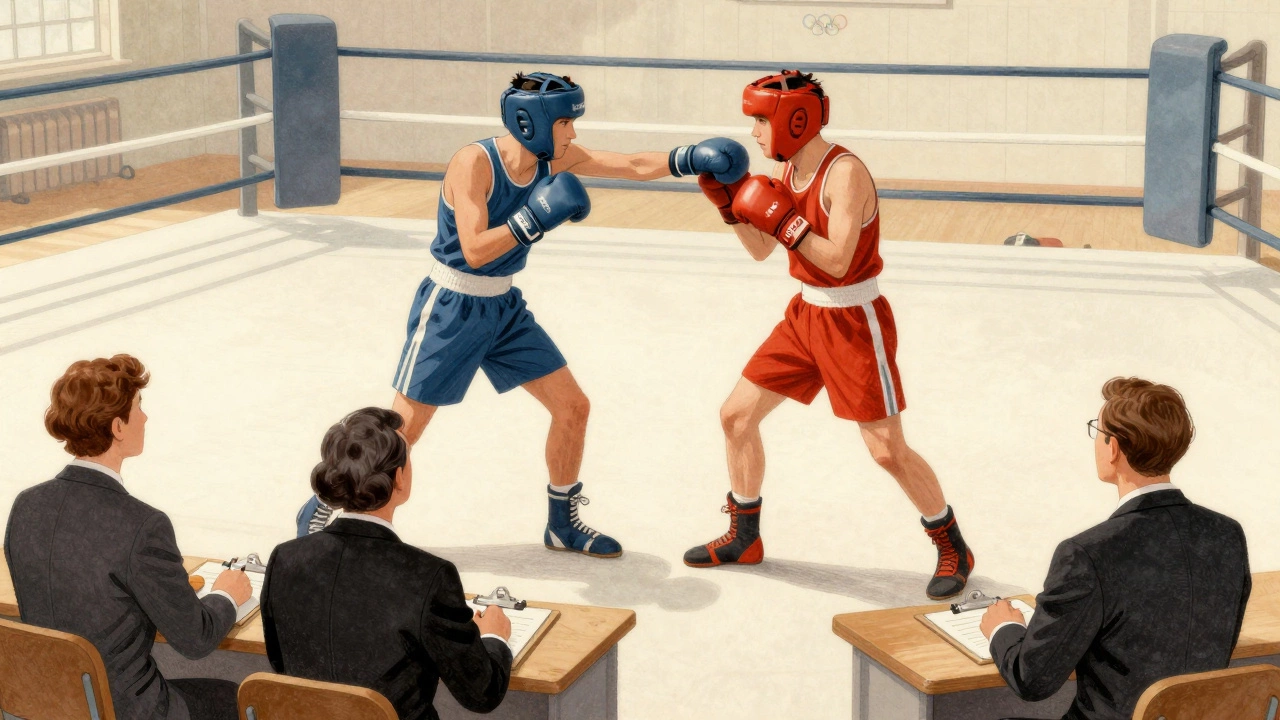
If you switch from professional boxing to amateur boxing, the terminology shifts noticeably. In amateur boxing, including Olympic events, the term "match" is far more prevalent. Why? Because amateur boxing focuses on point-scoring rather than damage-inflicting.
In an amateur Match typically consists of three rounds of two minutes each, with points awarded for clean hits. Fighters wear headgear and lighter gloves, emphasizing speed and technique over power. The goal is to land more clean punches than your opponent, not necessarily to knock them out. This format feels closer to a traditional sport like fencing or judo, where "match" is the standard term.
Organizations like USA Boxing and the International Boxing Association (IBA) use "match" in their official documentation. For example, you will see brackets labeled "Quarterfinal Match" or "Semifinal Match." This consistency helps maintain the integrity of the sport as a competitive athletic endeavor rather than a spectacle.
Even in local gyms, trainers often refer to sparring partners as having a "match" against each other during practice. This reinforces the idea that every exchange, whether scored or not, is a test of skill and strategy.
Historical Context: How We Got Here
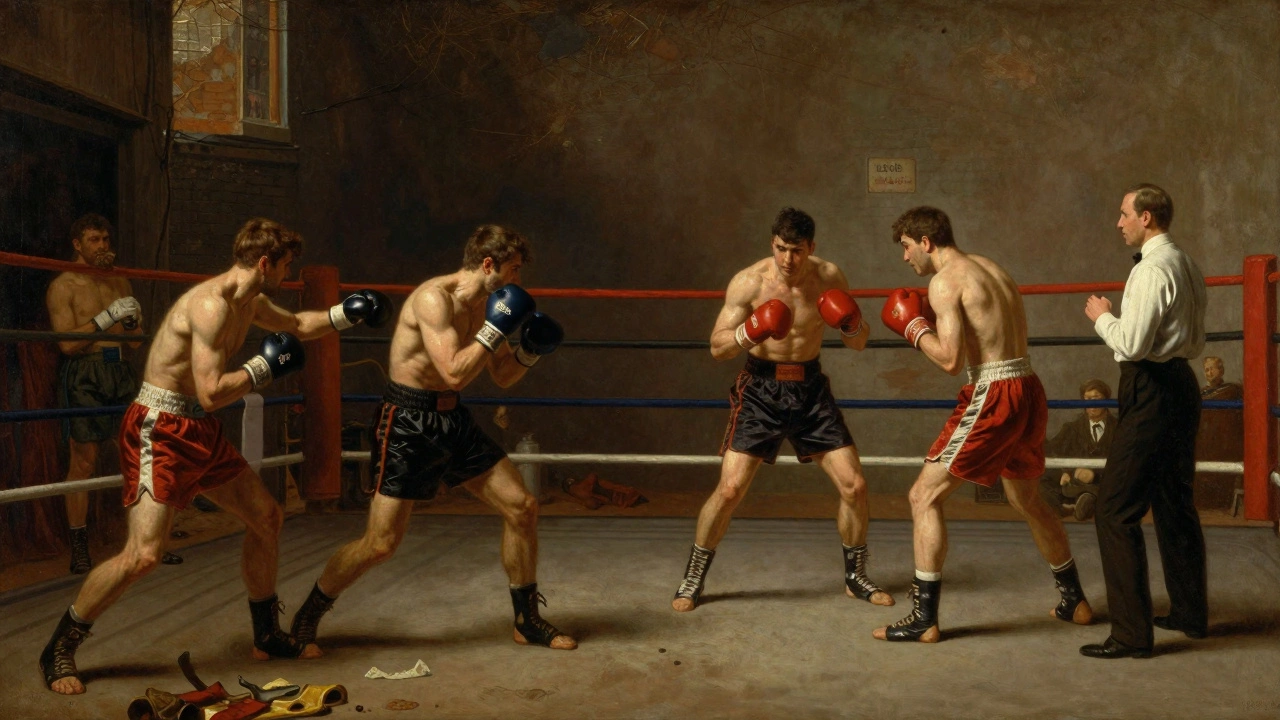
Language evolves, and boxing terminology is no exception. In the 19th century, boxing was often referred to as "prizefighting," reflecting its illegal and underground nature. There were no referees, no rounds, and no weight classes. It was a brutal contest until one fighter could no longer stand.
The introduction of the Marquess of Queensberry Rules in 1867 changed everything. These rules introduced gloves, three-minute rounds, and a ten-count for knockdowns. Suddenly, boxing became a regulated sport. With regulation came formalization, and with formalization came standardized terminology. "Bout" emerged as the preferred term for these new, structured contests.
Over time, regional differences developed. In the US, the commercialization of boxing led to the rise of "bout" as a marketable term. Promoters wanted words that sounded exciting and exclusive. In the UK and Commonwealth countries, "match" retained its hold due to the sport’s ties to traditional athletics and the Olympics.
Today, both terms coexist, but "bout" dominates the professional scene, while "match" remains strong in amateur and international circles. Understanding this history helps you navigate conversations with fans from different backgrounds without confusion.
Common Misconceptions About Boxing Terms
New fans often stumble over boxing jargon. Here are a few common misconceptions to avoid:
- "Fight" vs. "Bout": While "fight" is commonly used by fans, it is too broad. A bar brawl is a fight, but it is not a bout. Use "bout" when referring to sanctioned, professional contests.
- "Round" vs. "Inning": Unlike baseball, boxing uses "rounds." Never confuse the two. An inning is half of a side’s turn in baseball; a round is a full cycle of action and rest in boxing.
- "Knockout" vs. "Technical Knockout": A knockout (KO) means the fighter was knocked down and couldn’t get up within ten seconds. A technical knockout (TKO) means the referee stopped the fight because one fighter was taking too much damage. Both end the bout, but the circumstances differ.
Using the correct terms shows respect for the sport and its history. It also helps you engage more deeply with broadcasts, podcasts, and discussions among seasoned fans.
How to Talk Like a Boxing Insider
Want to sound like you’ve been watching boxing for decades? Start using the right vocabulary. Instead of saying, "Did you see that boxing game last night?" try, "Did you catch that main event bout?" Or, "That was a tough match in the junior welterweight division."
Notice how these phrases feel more precise? They convey specific information about the type of event and the level of competition. Over time, you’ll find that using "bout" for professional fights and "match" for amateur contests makes your conversations clearer and more engaging.
Also, pay attention to how commentators use these terms. On ESPN or DAZN, you will hear analysts refer to the "main bout" or "co-main bout." In Olympic coverage, you will hear "gold medal match." Mimicking this usage will quickly make you sound like an insider.
FAQ: Your Questions Answered
Is a boxing match called a game?
No, boxing is not typically called a "game." The term "game" implies playfulness and low stakes, which does not reflect the serious, dangerous nature of boxing. Instead, it is referred to as a "bout," "fight," or "match," depending on the context and region.
What is the difference between a bout and a match in boxing?
A "bout" is the standard term for a professional boxing contest, especially in the US. A "match" is more commonly used in amateur boxing, Olympic events, and in countries like the UK and Australia. Both terms refer to the same concept: a regulated contest between two fighters.
Why is boxing not considered a game?
Boxing involves significant physical risk, including concussions, fractures, and long-term brain damage. Games are generally recreational activities with minimal harm. Boxing is a combat sport with strict rules and regulations to ensure safety, but the inherent danger distinguishes it from games.
How many rounds are in a professional boxing bout?
Non-title professional bouts usually consist of four rounds, while world championship bouts can go up to twelve rounds. Each round lasts three minutes, with a one-minute rest period in between.
What is the origin of the term "bout" in boxing?
The term "bout" comes from the French word "buter," meaning to strike or hit. It gained popularity in the late 19th and early 20th centuries as boxing became a regulated sport with standardized rules and promotions.
Do amateur boxers call their contests matches?
Yes, amateur boxing organizations, including those governing Olympic boxing, typically use the term "match" to describe contests. This aligns with the sport’s focus on point-scoring and athletic competition rather than damage.
Can I use "fight" instead of "bout"?
Yes, "fight" is widely understood and used by fans and media. However, "bout" is more precise and professional, especially when discussing sanctioned events. "Fight" can also refer to unsanctioned or illegal altercations, so context matters.
What happens if a boxing match ends in a draw?
If the judges’ scores are tied after all rounds, the result is a draw. Draws can be split (two judges favor one fighter, one favors the other) or majority (one judge favors a fighter, two score it even). In some cases, a rematch may be scheduled to determine a clear winner.
Is there a difference in terminology between US and UK boxing?
Yes, the US predominantly uses "bout" for professional contests, while the UK and Commonwealth countries often use "match" or "fight." This regional variation reflects historical and cultural differences in how the sport is promoted and perceived.
What is a "main event" in boxing?
The main event is the most anticipated bout on a fight card, typically featuring top-ranked fighters or champions. It is scheduled last and draws the largest audience. Other bouts on the card are called undercards or preliminary bouts.